




My Consultant Corner

Our Services

What is a Head Injury?
What Causes Ischemic Stroke?
Understanding Headache / Migraine
Understanding Alzheimer's Disease
Symptoms Of Parkinson's Disease
How many types of multiple sclerosis?
What is Epilepsy?
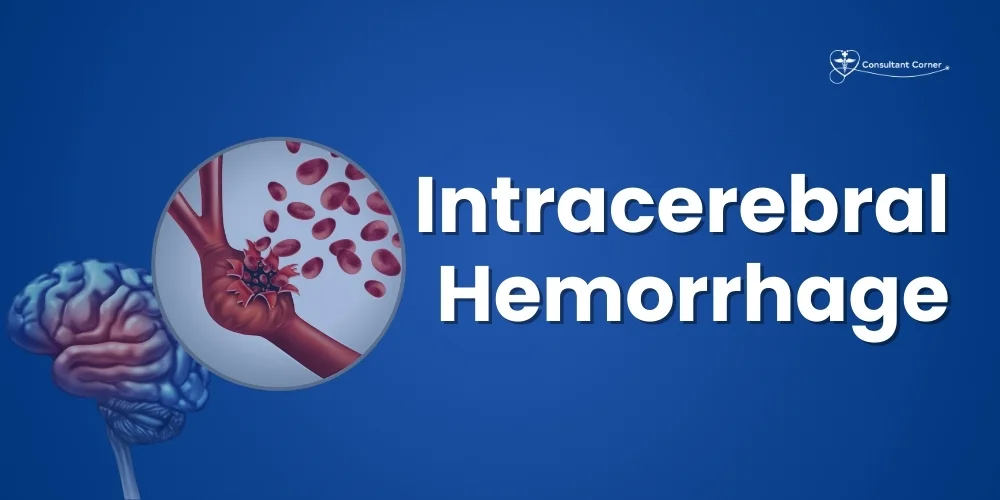
What Causes Intracerebral Hemorrhage?
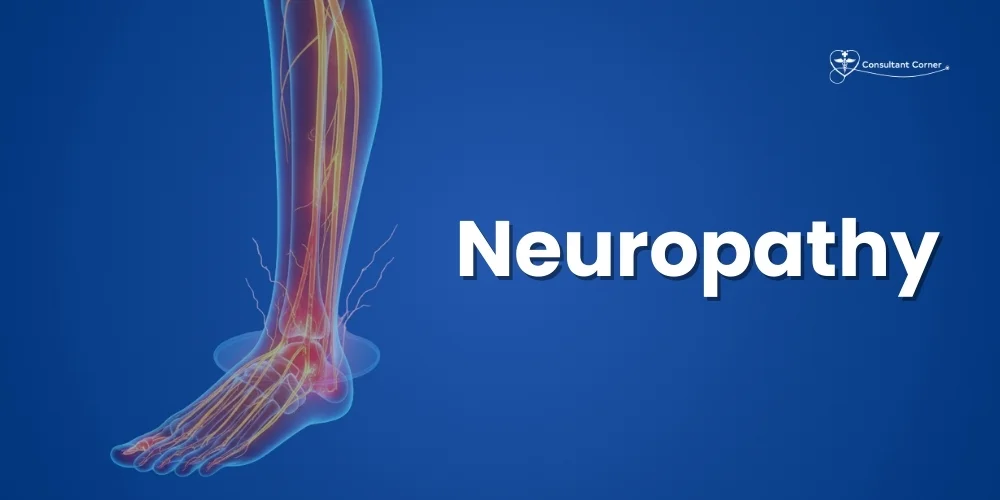
Neuropathy & Nerve Pain
Spasticity & Muscle Stiffness
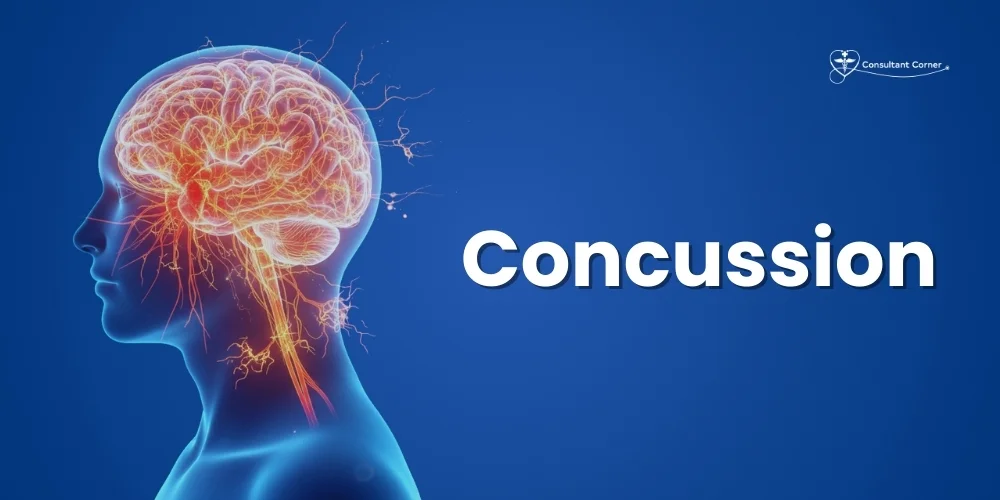
Concussion & Post-Concussion
Back Pain & Sciatica
Carpal Tunnel & Nerve Entrapment
Syncope & Fainting Spells
Tremor & Essential Tremor
Vertigo & Dizziness
TIA (Mini-Stroke)
Sleep Disorders & Restless Legs
Post-Stroke Recovery & Rehabilitation
Muscle Weakness & ALS Screening
Gait & Balance Disorders
Facial Pain & Trigeminal Neuralgia
Diabetic Neuropathy
Cervical Radiculopathy & Neck Pain

Contact Us

FIll out the form below and we will cantact you as soon as possible

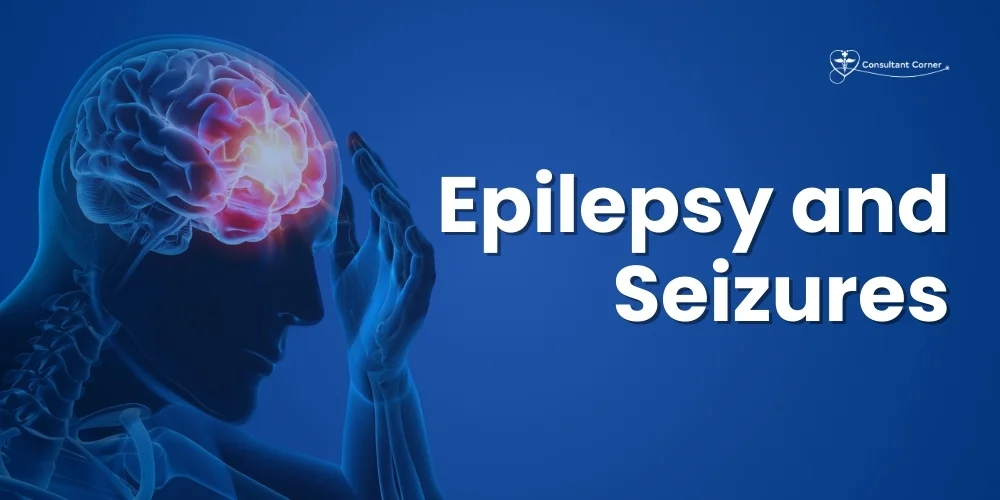
Epilepsy and Seizures 10 Important Facts

Epilepsy and Seizures: 10 Important Facts

Epilepsy and Seizures: 10 Important Facts Epilepsy and seizures are among the most misunderstood neurological conditions in the United States, yet they affect millions of people across every age group. Epilepsy and seizures don’t discriminate by background, but research shows the disease is more common in certain age groups, and its severity often depends on a person’s overall health, access to care, and how quickly the condition is diagnosed. Whether you or a loved one has just experienced a first seizure, or you’ve been living with an epilepsy diagnosis for years, understanding the facts can help you make smarter, calmer decisions about treatment and long-term brain health. At Consultant Corner, we work with patients across the country who are navigating a new epilepsy diagnosis or trying to get long-standing seizures under better control. Below are 10 important facts everyone should know about epilepsy and seizures — backed by current medical understanding and practical guidance from our neurology team. 1. Epilepsy Is More Common Than Most People Realize According to the Centers for Disease Control and Prevention, about 1.2% of the U.S. population — roughly 3.4 million people — currently has active epilepsy. That makes it one of the most common neurological disorders in the country, alongside conditions like migraine and stroke. Despite how common epilepsy and seizures actually are, public understanding lags far behind the statistics. Many people picture only the most dramatic convulsive seizures when they think of epilepsy, when in reality the condition shows up in dozens of subtler forms — brief staring spells, sudden confusion, repetitive movements, or even unusual emotional surges that last only seconds. Because these milder presentations don’t match the popular image of epilepsy, they’re frequently missed, dismissed, or misattributed to anxiety, fatigue, or simple distraction. This gap between perception and reality is part of why early diagnosis is so often delayed — sometimes for years. Why this matters: Epilepsy and seizures are far more prevalent than the public conversation around them suggests, which means stigma and misinformation often outweigh actual medical understanding. The more people understand how common — and how varied — seizures can look, the faster real cases get identified and treated. 2. Epilepsy and Seizures Affect Certain Age Groups More Than Others Epilepsy and seizures tend to cluster at two points in life: early childhood and older adulthood. Children under 2 and adults over 65 have the highest rates of new epilepsy diagnoses, while the years in between generally carry a lower — though not zero — risk. In children, many epilepsy cases are linked to genetic factors, developmental conditions, or fevers during early brain development. Pediatric epilepsy often responds very well to treatment, and a significant number of children eventually outgrow certain seizure syndromes entirely as their brains mature. In older adults, the picture looks different. New-onset seizures after age 65 are frequently linked to prior strokes, head injuries, or brain changes associated with aging — which is why patients recovering from an ischemic stroke or an intracerebral hemorrhage are routinely monitored for seizure activity during follow-up care. Unlike in children, epilepsy that develops later in life is less likely to resolve on its own and more often requires long-term medication management. This age-based pattern is one of the clearest illustrations of how epilepsy and seizures are shaped by what’s happening elsewhere in a person’s health — whether that’s a developing brain or one recovering from injury. 3. A Seizure Is Not Always Epilepsy One of the most important distinctions in neurology: a single seizure does not automatically mean someone has epilepsy. Epilepsy is generally diagnosed only after a person has had two or more unprovoked seizures, or one seizure combined with a high risk of recurrence based on EEG or imaging findings. Provoked seizures — caused by fever, low blood sugar, alcohol withdrawal, severe dehydration, or a head injury — are treated very differently than epilepsy itself. A provoked seizure is treated by addressing the underlying trigger (correcting blood sugar, managing withdrawal, treating the fever), and once that trigger is resolved, the person may never need long-term anti-seizure medication at all. This distinction matters enormously for patients, because a single seizure understandably feels frightening and can lead people to assume the worst. A thorough neurological workup — including bloodwork, brain imaging, and often an EEG — helps determine whether what happened was an isolated, provoked event or the first sign of a chronic seizure disorder. Jumping to conclusions in either direction, either dismissing a first seizure as “nothing” or assuming permanent epilepsy after one event, can lead to the wrong care path. 4. There Are Many Different Types of Seizures Seizures are broadly divided into two categories — focal and generalized — but within those categories, presentations vary widely from patient to patient. Seizure Type Description Common Signs Focal (Partial) Seizures Start in one area of the brain Twitching, unusual sensations, brief confusion, staring spells Generalized Seizures Involve both sides of the brain Convulsions, loss of consciousness, muscle stiffening, falling Absence Seizures Brief lapses in awareness Blank staring, subtle eye fluttering, usually in children Tonic-Clonic Seizures Most recognized “grand mal” type Body stiffening followed by jerking movements Myoclonic Seizures Sudden brief muscle jerks Quick jerks of arms or legs, often clustered Atonic Seizures Sudden loss of muscle tone Limp collapse or head drop, brief loss of posture Recognizing the type of seizure a person experiences is critical, because treatment plans and medications differ significantly between seizure types. A medication that works well for tonic-clonic seizures may do little for absence seizures, and vice versa. This is one of the main reasons self-diagnosis or guessing at treatment based on general epilepsy information online can backfire — accurate classification usually requires a detailed history and, ideally, EEG monitoring that captures the brain’s electrical activity during an actual event. 5. Severity Often Depends on Overall Health Epilepsy and seizures don’t impact every patient equally. Severity, frequency, and recovery time are strongly influenced by a person’s underlying health — including cardiovascular

Read More »
Multiple Sclerosis Symptoms and Treatment

Multiple Sclerosis Symptoms and Treatment: 11 Essential Facts

Multiple Sclerosis Symptoms and Treatment: 11 Essential Facts Multiple Sclerosis symptoms and treatment are two of the most searched topics among Americans who notice unexplained numbness, vision changes, or fatigue that simply won’t go away. Multiple Sclerosis (MS) can look different in nearly every patient, which makes it one of the more confusing neurological conditions to recognize early. Whether you’re trying to make sense of a new symptom, supporting a loved one through diagnosis, or seeking a second opinion on an existing treatment plan, understanding the facts about MS symptoms and treatment can help you make confident, informed decisions about your health. At Consultant Corner, our neurology team works with patients at every stage of this disease — from the very first unexplained symptom through decades of long-term management. Below are 11 essential facts everyone should know about Multiple Sclerosis symptoms and treatment, explained in plain language so you understand exactly what’s happening in your body and what choices are available to you. Fact 1: MS Is an Autoimmune Disease, Not an Infection Multiple Sclerosis develops when the immune system mistakenly attacks myelin, the protective coating that wraps around nerve fibers in the brain, spinal cord, and optic nerves. When myelin is damaged, nerve signals slow down or stop entirely, which produces the wide variety of symptoms associated with MS. This is fundamentally different from an infection or contagious illness — MS cannot be “caught” from another person, and it is not caused by a virus or bacteria in the way a cold or flu would be. Researchers believe a combination of genetic predisposition and environmental triggers, such as prior viral infections or low vitamin D exposure, plays a role in who eventually develops the disease. Fact 2: Multiple Sclerosis Symptoms Vary Dramatically From Person to Person One of the reasons MS is so difficult to self-diagnose is that Multiple Sclerosis symptoms rarely look the same in two people, even within the same family. Common early signs include: Numbness or tingling, often in the face, arms, legs, or torso Electric-shock sensations that run down the spine when bending the neck Blurry, double, or partially lost vision, sometimes with eye pain Balance problems or a feeling of unsteadiness when walking Muscle weakness or stiffness, particularly in the legs Fatigue that does not improve with rest or sleep Brain fog, slowed thinking, or short-term memory trouble Bladder urgency, frequency, or occasional incontinence Muscle spasms or involuntary twitching Sensitivity to heat, which can temporarily worsen existing symptoms These symptoms can appear suddenly in episodes called relapses, or they can build gradually over months or years. Because many of these symptoms overlap with other common conditions like vitamin deficiencies, anxiety, or chronic fatigue syndrome, patients often go through a lengthy diagnostic process before MS is confirmed. Fact 3: There Are Four Recognized Types of MS Neurologists classify Multiple Sclerosis into four main categories, each with a different pattern of progression. Understanding which type you may have helps your care team choose the most effective treatment strategy. MS Type Pattern of Disease Typical Course Relapsing-Remitting MS (RRMS) Flare-ups followed by partial or full recovery Most common type, especially at diagnosis Secondary Progressive MS (SPMS) Begins as RRMS, then steadily worsens Usually develops years after initial RRMS diagnosis Primary Progressive MS (PPMS) Gradual, continuous worsening from the start No distinct relapses or remissions Clinically Isolated Syndrome (CIS) A single episode suggestive of MS May or may not develop into full MS You don’t need to know which type you have before seeking help — a neurologist will determine this through clinical evaluation, imaging, and ongoing monitoring over time. In many cases, the classification can shift as the disease evolves, which is another reason consistent specialist follow-up matters so much. Fact 4: Age and Demographics Influence MS Risk Multiple Sclerosis most commonly appears in adults between 20 and 40 years old, although it can be diagnosed in children, teenagers, or older adults as well. In the United States, MS is roughly two to three times more common in women than men, a disparity researchers continue to study in relation to hormonal and immune system differences. MS also tends to be diagnosed more frequently in people of Northern European descent, though it affects people of every racial and ethnic background, and recent research suggests Black Americans may experience more aggressive disease courses on average. Geography plays a role too. Areas farther from the equator, including much of the northern United States, tend to report higher MS rates — a pattern researchers associate with lower vitamin D levels from reduced sunlight exposure during childhood and adolescence. This is sometimes referred to as the “latitude gradient” in MS epidemiology. Fact 5: Severity Often Reflects Overall Health and Lifestyle The severity and progression of Multiple Sclerosis symptoms and treatment outcomes are closely tied to a patient’s general health. Smoking, obesity, poorly managed cardiovascular conditions, and chronic, unmanaged stress have all been associated with faster disease progression and more frequent relapses. Comorbid conditions such as diabetes or high blood pressure can also complicate MS management and accelerate disability if left unaddressed. On the other hand, patients who maintain regular physical activity, balanced nutrition, adequate sleep, and consistent medical follow-up often experience more stable, manageable disease courses. This is one of the most important — and often overlooked — facts about living with MS in America today: your daily habits genuinely influence how the disease behaves over time, alongside whatever medication plan your neurologist recommends. Fact 6: MRI Imaging Is the Cornerstone of Diagnosis Because MS symptoms overlap with many other neurological conditions, diagnosis isn’t based on symptoms alone. Magnetic Resonance Imaging (MRI) allows neurologists to see lesions, or areas of damaged myelin, in the brain and spinal cord. A spinal tap (lumbar puncture) and blood tests are sometimes used to rule out conditions with similar presentations, such as vitamin B12 deficiency, lupus, neuromyelitis optica, or other autoimmune disorders. According to the National Institute of Neurological Disorders and Stroke, accurate diagnosis typically

Read More »
Parkinsons-Disease-8-Early-Symptoms-to-Watch-For

Parkinson’s Disease Explained: 8 Early Symptoms to Watch For

Parkinson’s Disease Explained: 8 Early Symptoms to Watch For Parkinson’s disease symptoms rarely show up all at once. Most people notice one small change first — a slight tremor in a finger, a button that’s harder to fasten, handwriting that’s gotten smaller, or a walk that feels a little slower than it used to. Because these changes are gradual, it’s easy to brush them off as “just getting older.” But recognizing Parkinson’s disease symptoms early can make a real difference in how the condition is managed and how long someone stays independent and active. At Consultant Corner, we evaluate patients across the country who are noticing these subtle shifts, and one thing we hear again and again is, “I wish I had come in sooner.” This guide walks through the eight early warning signs of Parkinson’s disease, who is most at risk, what causes the condition, and how a movement-disorder specialist approaches diagnosis and treatment. If you’re also exploring related topics, you may want to read our companion piece, Understanding Essential Tremor vs. Parkinson’s Disease, which explains how to tell these two conditions apart. What Is Parkinson’s Disease? Parkinson’s disease is a progressive neurological condition that develops when dopamine-producing brain cells gradually decline. Dopamine is a chemical messenger that helps coordinate smooth, controlled movement. As dopamine levels drop, the brain has a harder time sending the right signals to the muscles, which is why Parkinson’s disease symptoms so often show up as tremor, stiffness, and slowed movement. It’s worth noting that not every tremor or every slow movement points to Parkinson’s. Several other conditions can look similar, including essential tremor, drug-induced movement disorders, atypical Parkinsonism (such as PSP, MSA, or CBD), gait disorders, restless leg syndrome, and post-stroke movement disorders. This is exactly why a proper neurological evaluation matters — self-diagnosing from a list of symptoms online can lead to unnecessary worry or, just as often, false reassurance. According to the National Institute on Aging, Parkinson’s disease most commonly develops after age 60, though younger-onset cases do occur. Risk and severity in the United States can vary based on age, genetics, environmental exposures, and overall health, which is part of why personalized evaluation is so important rather than relying on a generic checklist. Who Is Most at Risk? Age is the single biggest risk factor for Parkinson’s disease. Most people are diagnosed after age 60, and risk continues to climb with each decade after that. Men are diagnosed somewhat more often than women. A family history of Parkinson’s, certain genetic mutations, and long-term exposure to specific pesticides or industrial chemicals have also been linked to higher risk. Severity and progression vary widely from person to person. Two people diagnosed at the same age can have very different experiences — one may have mostly mild tremor for years, while another may notice faster changes in balance and mobility. Overall health, including cardiovascular health, activity level, and how quickly symptoms are identified and treated, plays a meaningful role in how the disease progresses. 8 Early Symptoms of Parkinson’s Disease Below are the eight early signs that most often prompt people to schedule an evaluation. 1. Tremor at Rest A tremor that appears when the hand is relaxed — not when it’s being used — is one of the most recognizable Parkinson’s disease symptoms. It often starts in just one hand or even a single finger and may look like a slight rhythmic shaking, sometimes described as a “pill-rolling” motion. 2. Slowed Movement (Bradykinesia) Bradykinesia means movements take noticeably longer to start and complete. Simple tasks like buttoning a shirt, tying shoes, or getting up from a chair may begin to feel unusually slow or effortful. 3. Stiffness in Arms, Legs, or Neck Muscle stiffness, sometimes called rigidity, can limit range of motion and make the body feel tight or resistant to movement. It’s frequently mistaken for arthritis or a pulled muscle before a neurological cause is considered. 4. Balance Problems or Frequent Falls As Parkinson’s affects the brain’s coordination signals, balance can become unsteady. Frequent stumbling, near-falls, or actual falls — especially without an obvious trip hazard — deserve attention. 5. Shuffling Gait or Reduced Arm Swing A walking pattern that shifts to smaller, shuffling steps, a stooped posture, or one arm that swings less than the other while walking are classic early motor signs. Some people also describe sudden “freezing” episodes where their feet feel stuck to the floor mid-step. 6. Sleep Disturbances Acting out vivid dreams, thrashing, or talking during sleep — a condition called REM sleep behavior disorder — can actually appear years before motor symptoms develop. It’s one of the more overlooked early indicators. 7. Loss of Smell A reduced or lost sense of smell (anosmia) that isn’t explained by a cold or sinus issue is a surprisingly common early non-motor symptom of Parkinson’s disease. 8. Mood and Cognitive Changes Anxiety, depression, loss of motivation, or new difficulty concentrating can all show up before noticeable movement changes. Constipation, bladder issues, and lightheadedness when standing are also part of this non-motor symptom cluster. A Quick Note on Timing These non-motor symptoms often appear well before a formal diagnosis is made. Recognizing the pattern — rather than waiting for a single dramatic symptom — is often what leads to earlier, more effective treatment. Motor vs. Non-Motor Symptoms at a Glance The table below summarizes the difference between the two main symptom categories. Symptom Category Examples Why It’s Often Missed Motor Symptoms Tremor at rest, bradykinesia, stiffness, shuffling gait, balance issues Mistaken for normal aging or arthritis Non-Motor Symptoms Sleep disturbances, loss of smell, anxiety/depression, constipation, lightheadedness Not commonly associated with a movement disorder Cognitive Symptoms Memory or concentration problems Attributed to stress or aging Autonomic Symptoms Bladder issues, blood pressure drops on standing Often treated separately by other specialists Why Early Diagnosis of Parkinson’s Disease Matters Identifying Parkinson’s disease symptoms early gives both the patient and the care team more options. Early evaluation allows a movement-disorder specialist to: Start

Read More »