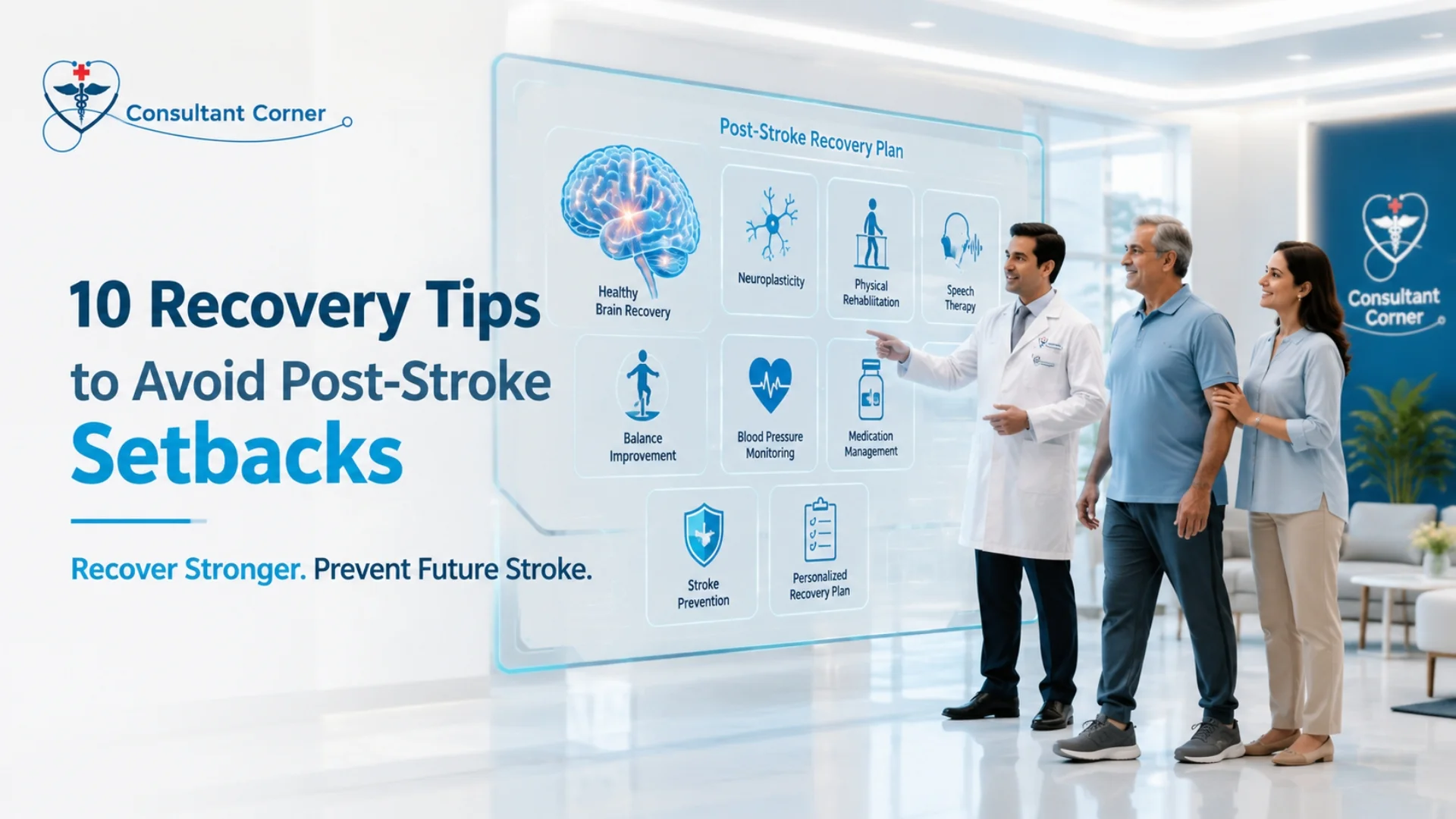
10 Recovery Tips to Avoid Post-Stroke Complications
The recovery process from a stroke doesn’t end when you leave the hospital — it’s a daily process, and small mistakes in the first few weeks and months can silently undo your hard-earned progress. Whether you or your loved one is in the days or months of recovery, understanding how to protect that progress is one of the most important things you can do. Below, we’ve outlined ten practical, medically based tips that can help you avoid the most common post-stroke complications and keep your recovery on track.
A stroke is a sudden, life-changing event, but what happens after you leave the hospital often determines the long-term outcome. Weakness, incoordination, imbalance, memory changes, fatigue, difficulty speaking, and emotional swings can all last for weeks, months, or years. The hope is that with proper follow-up care, well-organized rehabilitation, and a few key lifestyle changes, most patients recover faster, stronger, and safer than they expect.
At Consultant Corner, our neurology team has guided hundreds of patients through this crucial period of recovery, and we’ve seen firsthand which habits accelerate recovery — and which ones silently hinder it. This guide brings those lessons together in one place.
No two recovery processes are exactly the same, and comparing your own journey to someone else’s story online can do more harm than good. Some patients are self-reliant within a few months, while others require a year or more of planned therapy to get back to normal. One thing that almost every successful recovery has in common, though, is a consistent, well-coordinated care plan — one that considers the body, brain, and emotional aspects of recovery as equally important. That’s the philosophy behind each of the tips below.
Why the Post-Stroke Recovery Period Is So Important
The brain continues to repair and reorganize itself for 12 to 24 months after a stroke, a process doctors call neuroplasticity. During this time, the brain responds unusually well to therapy, repetition, and planned stimulation. Without proper guidance, however, patients often suffer from problems like slow recovery, chronic weakness, increased risk of falls, uncontrolled spasticity, and — in the most severe cases — recurrent strokes. This is why post-stroke follow-up care is not optional; it is the foundation on which everything else is built.
According to the Centers for Disease Control and Prevention, the recovery period after a stroke is different for everyone and can take weeks, months, or even years, with some people making a full recovery while others face long-term or lifelong disabilities. This variability is why a personalized recovery plan is so important, rather than a generic checklist.
10 Recovery Tips to Avoid Post-Stroke Setbacks

1. Never Skip Your Neurology Follow-Up Appointments
It’s normal to feel like your medical care is over once you return home, but post-stroke follow-up visits are the best way for your care team to detect subtle changes before they become major complications. Regular assessments of strength, balance, speech, and cognitive abilities help your neurologist adjust medications, therapy intensity, and safety recommendations as your brain heals. Patients who skip these visits are more likely to suffer preventable complications, from uncontrolled spasticity to missed signs of a second stroke.
2. Stick to Your Rehabilitation Schedule — Even on the Tough Days
Physical, occupational, and speech therapy are not optional extras; they are the driving force behind post-stroke recovery. The brain rewires neural pathways through repetition, so skipping a few sessions can slow down the momentum that took weeks to build. On days when therapy feels impossible due to fatigue or frustration, talk to your care team about modifying the session rather than skipping it altogether. Consistency, not intensity, is the key to long-term improvement.
3. Control Blood Pressure, Cholesterol, and Blood Sugar Levels
One of the leading causes of a second stroke is poorly controlled cardiovascular risk factors. High blood pressure, high cholesterol, and uncontrolled diabetes all put constant strain on the blood vessels that supply the brain. Home monitoring, consistent exercise, and regular lab work are habits that can dramatically reduce stroke risk during post-stroke recovery.
Keeping track of these numbers is useful as an early warning system. A simple log from a home blood pressure cuff, kept in a shared spreadsheet or notebook with your care team, can turn a dangerous trend into an early catch rather than an emergency. Diet also plays a bigger role than many patients realize — reducing sodium, limiting processed foods, and increasing lean protein can measurably improve blood pressure and cholesterol control. Talk to your neurologist or a referred dietitian to build a plan specific to your situation, since generic advice rarely accounts for medication interactions or kidney function.
4. Address Swallowing and Speech Difficulties Quickly
Dysphagia (difficulty swallowing) is a common problem after a stroke, and patients often hide it because they’re embarrassed or assume the problem will resolve on its own. Untreated swallowing difficulties can lead to choking, aspiration pneumonia, and even death — all of which can derail the healing process. A speech-language pathologist can assess your swallowing and recommend exercises that improve both speaking and swallowing.
5. Reduce Home Safety Hazards
Falls are one of the most common post-stroke complications and can lead to fractures or injuries that set back months of progress. Simple changes at home — removing loose rugs, installing grab bars in the bathroom, improving lighting, and using assistive devices as recommended — can help. If dizziness or vertigo is part of your recovery process, it’s worth discussing with your care team, as balance issues can sometimes accompany other neurological conditions.
A physical or occupational therapist can also perform a falls assessment. They can walk through your home and identify specific hazards you might not notice — such as a slippery bathroom floor, poorly lit stairs, or steps without handrails. Footwear matters too; loose shoes and socks without grip are a surprisingly common contributor to falls during recovery. Building a daily balance routine — even just a minute of supervised standing exercises — can help rebuild the stability that many stroke survivors lose in the first weeks after discharge.
6. Watch for Signs of Spasticity and Treat It Promptly
Many stroke survivors experience muscle stiffness and spasticity in the weeks and months after a stroke, especially in the arm, hand, or leg on the affected side. Left untreated, spasticity can limit range of motion, cause pain, and interfere with rehabilitative exercises. Treatment options include stretching and splinting, medications, and in some cases targeted injections, so it’s important to let your neurologist know as soon as possible if this becomes an issue.
7. Prioritize Sleep and Manage Fatigue
Post-stroke fatigue is one of the most overlooked obstacles to recovery. It’s not simple tiredness — it’s a profound, often disproportionate exhaustion that can affect motivation, mood, and the ability to function. Structuring rest periods, prioritizing consistent sleep habits, and pacing your energy during the early recovery phase can help preserve the stamina you need for rehabilitation.
8. Take Care of Your Emotional Health
Feelings of anxiety, depression, and mood swings are very common after a stroke, affecting a large portion of survivors at some point in recovery. These emotions aren’t a personal failing — they’re a physiological response to brain injury, and if left unaddressed, they can physically slow down recovery. Talking openly with your neurologist, considering counseling, and seeking support are all part of a complete post-stroke recovery plan.
It’s also common for stroke survivors to experience sudden outbursts of laughing or crying that don’t match how they actually feel — this can sometimes be a sign of a recognized neurological condition, so it’s worth mentioning to your care team rather than dismissing it as a personality change.
9. Keep Family and Caregivers Informed and Involved
Recovery is rarely a solo effort. Caregivers who understand the warning signs of complications, the goals of each therapy session, and how to safely assist with daily activities can prevent many setbacks at home. Ask your care team for caregiver education resources, and don’t hesitate to bring family members to follow-up appointments so everyone is working from the same recovery plan.
Caregiver burnout is another factor that can silently impact a patient’s recovery. When a spouse, adult child, or other family member is exhausted or overly stressed, it becomes difficult to maintain the continuity essential to recovery — medication reminders, encouragement during therapy sessions, and vigilance for warning signs can all slip. Encouraging caregivers to rest, ask for help from other family members, and connect with local stroke caregiver support groups isn’t a luxury — it’s part of protecting the patient’s recovery, too.
10. Know the Warning Signs of a Second Stroke
Recognizing Emergency Signs During Stroke Recovery
Perhaps the most important safety precaution during recovery is knowing when to seek emergency medical attention. New weakness, numbness, or slurred speech; sudden confusion; a severe headache; vision loss; difficulty walking; or chest pain and an irregular heartbeat can all be signs of a second stroke. Acting within minutes — not hours — can make the difference between a full recovery and permanent disability. If you notice any of these symptoms, call 911 immediately rather than waiting to see if they pass.
Common Post-Stroke Symptoms and Recommended Actions
| Symptom | Why It Happens | Recommended Action |
|---|---|---|
| Weakness on one side of the body | Damage to motor pathways in the brain | Physical therapy, strength training, neurology follow-up |
| Difficulty walking or balancing | Poor coordination and proprioception | Balance training, assistive devices, home fall-prevention measures |
| Trouble speaking or finding words | Loss of language centers (aphasia) | Speech-language therapy, patience-based communication techniques |
| Memory problems or slowed thinking | Changes in cognitive processing after injury | Cognitive rehabilitation, structured routines, neurology evaluation |
| Numbness, tingling, or spasticity | Disruption of nerve signaling and muscle tone changes | Stretching, splinting, medication, or targeted injections |
| Mood changes (anxiety, depression) | Neurological and emotional response to injury | Counseling, support groups, medical evaluation |
| Fatigue or difficulty completing tasks | Increased energy demand for brain healing | Controlled activity, rest scheduling, gradual return to tasks |

How Consultant Corner Helps with Post-Stroke Recovery
Our neurology team works with patients at every stage of their stroke recovery journey. We perform detailed assessments of strength, balance, speech, and cognitive abilities; create a personalized recovery plan based on each patient’s goals; support speech, memory, and cognitive rehabilitation; assist with mobility and spasticity management through medication and movement retraining; review imaging and discuss stroke risk-reduction strategies; and provide direct guidance to caregivers and families. We also offer same-week appointments, because waiting weeks for an appointment shouldn’t stop the recovery process.
Every patient we treat begins with a comprehensive neurological evaluation, not a generic checklist. We review previous imaging, discuss the specific problems you’re experiencing at home, and build a plan centered around your real goals — whether that’s returning to work, walking without a cane, or simply feeling more stable on your feet. We continue adjusting that plan as your recovery progresses, because what feels right in the first month often calls for a very different approach by the sixth.
If you’re recovering from a related condition, such as post-concussion syndrome after a head injury, or you’re dealing with ongoing spasticity and muscle stiffness, our team can help provide integrated treatment across conditions. Patients recovering from a stroke who are also experiencing dizziness may find our guide to vertigo and dizziness helpful, and those with chronic numbness or tingling in their hands may benefit from reading about neuropathy and nerve pain. You can also learn more about how ischemic events affect the brain on our Ischemic Stroke resource page.
For additional information about stroke rehabilitation from a national health authority, the National Institute of Neurological Disorders and Stroke’s recovery resources offer in-depth information for patients, and the CDC’s overview of stroke treatment and recovery is a helpful external reference for understanding what to expect during rehabilitation.
Two Locations, One Standard for Ischemic Stroke Treatment
Consultant Corner offers treatment for patients with ischemic stroke, TIA, and related neurological disorders at two locations:
- Consultant Corner (Neurology in Bloomington, IL) – Neurologists in Bloomington, Illinois
- Consultant Corner (Neurology in El Paso, TX) – Health Consultants in El Paso, Texas
Frequently Asked Questions About Stroke Recovery
How long does it usually take to recover from a stroke? Recovery time varies greatly from person to person. Some patients see significant improvement within the first three to six months, while the brain continues to heal and adapt for up to two years after a stroke. Regular therapy and follow-up care provide the best long-term results.
What are the biggest risks during stroke recovery? The most common risks include falls due to loss of balance, a second stroke from uncontrolled risk factors, aspiration from swallowing difficulties, and untreated depression or anxiety. Regular neurology follow-up can help identify and manage these risks early.
Can post-stroke complications be overcome? In many cases, yes. Complications caused by skipped therapy, uncontrolled spasticity, or untreated mood changes often improve well once addressed. The key is identifying the problem early, which is why ongoing follow-up care is so important.
Is it normal to feel emotional or anxious during recovery? Yes. Emotional changes are well documented and common during recovery from a stroke, due to both the physical effects of brain injury and the natural stress of adjusting to new limitations. Support from a neurology team, counselor, or support group can make a significant difference.
When should I seek emergency medical attention during recovery? If you notice new weakness, numbness, or slurred speech, sudden confusion, a severe headache, vision loss, difficulty walking, or chest pain and an irregular heartbeat, seek emergency medical attention immediately. These could be signs of a second stroke and require urgent attention.
Start Your Post-Stroke Recovery Plan Today
A strong recovery requires prompt, expert follow-up — not guesswork. Our neurology team helps patients regain function, prevent complications, and rebuild confidence after a stroke. Every post-stroke journey is different, but no one should have to go through this journey alone or without expert guidance. If you or a loved one is in the process of recovering from a stroke, book your appointment online today or call our office to speak directly with our care team.