
What Causes Ischemic Stroke? 8 Major Risk Factors Explained
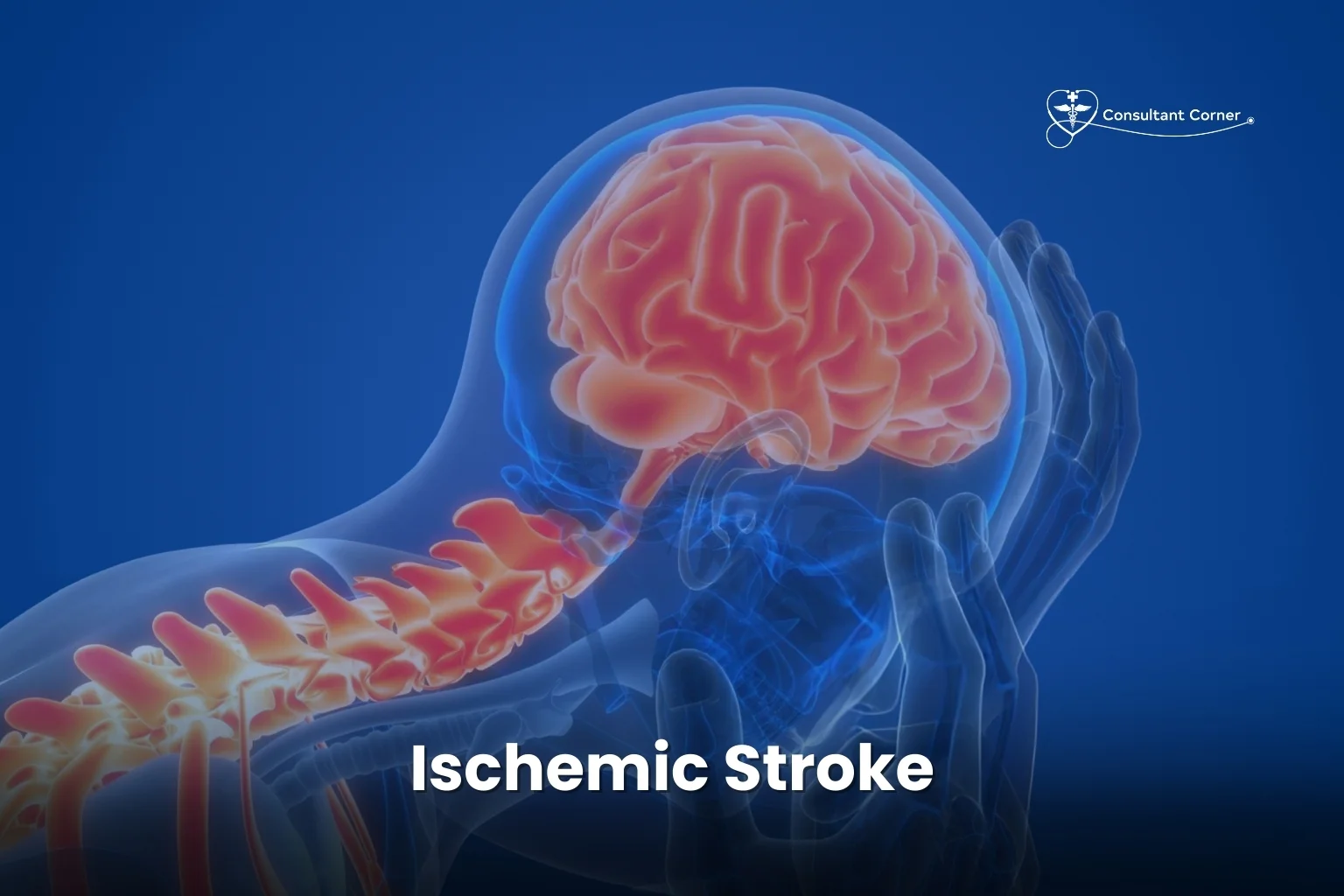
Ischemic stroke is the medical term for the most common type of stroke, and understanding what causes it is the first step in prevention. An ischemic stroke occurs when a blood vessel carrying oxygen-rich blood to the brain is blocked, usually due to a blood clot or fatty plaque buildup. Without this blood supply, brain cells begin to die within minutes — which is why doctors often refer to a stroke as a “brain attack.” If you or a loved one has recently experienced stroke-like symptoms, or if you simply want to know your risk, this guide details the exact causes of ischemic stroke, who is most at risk, and what you can do about it.
At Consultant Corner, our neurology team sees patients throughout Bloomington, Illinois and El Paso, Texas who are struggling with a stroke diagnosis or an array of frightening symptoms. This article explains the topic in simple terms so you can recognize the warning signs, understand your personal risk factors, and know when to seek professional advice.
What Is an Ischemic Stroke?
About 87% of all strokes are ischemic strokes, which are far more common than the other major type, hemorrhagic stroke. A hemorrhagic stroke occurs when a blood vessel bursts rather than closes off. During an ischemic stroke, a blood clot or fatty deposit blocks an artery that supplies blood to the brain. Once that blockage sets in, brain tissue is deprived of oxygen and nutrients, and if it isn’t treated quickly, that tissue can be permanently damaged.
According to the CDC’s Stroke Facts, someone in the United States has a stroke every 40 seconds, and more than 795,000 people suffer a new or recurrent stroke each year. The vast majority of these events are ischemic in nature, which is exactly why understanding the underlying mechanism matters so much for prevention.
There are two main categories of ischemic stroke:
Cerebral Thrombosis
This occurs when a blood clot (thrombus) forms directly inside an artery that has already been narrowed by plaque buildup — a condition called atherosclerosis. The clot grows large enough to block blood flow to that particular area of the brain.
Cerebral Embolism
This occurs when a blood clot forms elsewhere in the body — often in the heart — and then travels through the bloodstream until it lodges in a smaller artery in the brain. Irregular heart rhythms, especially atrial fibrillation, are one of the main sources of these traveling clots.
A brief version of an ischemic stroke, called a transient ischemic attack (TIA) or “mini-stroke,” happens when a blood clot clears on its own within minutes. A TIA should never be ignored — it’s often an early warning sign of a larger and more serious stroke to come. If you’ve had short-lived symptoms that resolved on their own, our article on TIA (Mini-Stroke) explains why it’s still important to get evaluated quickly, even after symptoms go away.
What Causes Ischemic Stroke? The Root Mechanism
At its core, every ischemic stroke is caused by a blockage of blood flow to the brain. Its most common underlying cause is atherosclerosis — the slow, often silent buildup of cholesterol and fatty plaque on the inner walls of arteries. Over the years, this plaque can narrow an artery enough to choke off blood flow on its own, or it can rupture and trigger a clot that finishes the job. Other, less common causes include:
- Blood clotting disorders that increase the tendency of blood to clot easily
- Inflammation of blood vessels (vasculitis)
- A dissection, or small tear, in the wall of an artery that supplies blood to the brain
- Severe dehydration or blood-thickening conditions
- Certain infections that affect blood vessel health
Because the causes of ischemic stroke are so closely tied to the health of your blood vessels and heart, the risk factors below overlap heavily with cardiovascular disease. In fact, studies of population-attributable risk have shown that a relatively short list of well-known risk factors — high blood pressure, atrial fibrillation, physical inactivity, low HDL cholesterol, smoking, diabetes, and a few others — together account for nearly all of the risk of having an ischemic stroke.

8 Major Risk Factors for Ischemic Stroke
Some risk factors for ischemic stroke can be modified through lifestyle changes and treatment, while others cannot. The table below summarizes the most important ones.
| Risk Factor | Type | Why This Matters |
|---|---|---|
| High blood pressure | Modifiable | The single leading cause of stroke; damages and weakens artery walls over time |
| Atrial fibrillation / heart disease | Modifiable | Allows blood clots to form in the heart and travel to the brain |
| High cholesterol | Modifiable | Causes plaque buildup (atherosclerosis) inside the arteries that supply blood to the brain |
| Diabetes | Modifiable | Damages blood vessels and accelerates plaque buildup |
| Smoking or vaping | Modifiable | Thickens the blood and damages the lining of blood vessels |
| Obesity / inactive lifestyle | Modifiable | Raises blood pressure, cholesterol, and diabetes risk simultaneously |
| A previous stroke or TIA | Non-modifiable (but manageable) | Significantly increases the chance of another, often more serious, event |
| Age, family history, and sickle cell disease | Non-modifiable | Genetic factors and age naturally increase the risk |
1. High Blood Pressure
High blood pressure is considered a major cause of stroke. Nearly three-quarters of people who have a stroke also have high blood pressure, and it’s often called the single strongest modifiable risk factor for both ischemic and hemorrhagic strokes. Over time, uncontrolled blood pressure weakens and damages artery walls throughout the body, including the vessels that supply blood to the brain, making them more likely to narrow, tear, or clot.
2. Atrial Fibrillation and Heart Disease
Irregular heartbeats allow blood clots to form inside the chambers of the heart. These clots can break loose and travel directly to the brain, causing embolic ischemic strokes. People with atrial fibrillation face a significantly higher risk of stroke than the general population, which is why heart-rhythm monitoring is a routine part of a neurological evaluation after any stroke-like event.
3. High Cholesterol
Excess LDL (“bad”) cholesterol builds up in artery walls as plaque, gradually narrowing the arteries that supply blood to the brain and setting the stage for a blood clot to form. Low HDL (“good”) cholesterol is also associated with a meaningfully higher stroke risk, which is why a complete lipid panel — not just a single number — is usually reviewed for cholesterol management.
4. Diabetes
Diabetes damages blood vessels over time and often coexists with high blood pressure and high cholesterol, which together significantly raise stroke risk. Poor long-term blood sugar control is associated with a higher chance of stroke, and the longer someone lives with uncontrolled diabetes, the greater that risk becomes.
5. Smoking and Vaping
Nicotine and other chemicals in cigarettes and vaping products damage the lining of blood vessels and increase the risk of blood clots. Smokers face a significantly higher risk of ischemic stroke than nonsmokers, and that risk begins to decline fairly quickly after quitting.
6. Obesity and Inactivity
Carrying excess weight and being physically inactive raise blood pressure, cholesterol, and blood sugar levels all at once — a combined effect that increases stroke risk. On the other hand, people who stay physically active tend to have a notably lower risk of stroke than those who are inactive, which is one of the more encouraging findings in stroke research.
7. Previous Stroke or TIA
If you’ve had a previous stroke or TIA, your risk of having a second — and likely more serious — event is significantly increased, which makes ongoing neurology follow-up essential. It’s one of the strongest predictors of future stroke risk in medical research, and it’s a major reason experts recommend structured follow-up care rather than just a one-time emergency room visit.
8. Family History and Age
Stroke risk increases with age, and if a close relative has had a stroke, your own risk increases too — even after accounting for lifestyle factors. Certain hereditary conditions, such as sickle cell disease, raise your risk independently of the other factors on this list.
According to the CDC, high blood pressure, high cholesterol, smoking, obesity, and diabetes are the leading causes of stroke in the United States. The good news is that the American Heart Association estimates that up to 80% of strokes can be prevented with a combination of proper medical management and lifestyle changes.
Recognize the Warning Signs Early
Ischemic strokes occur suddenly, and every minute without treatment increases the risk of permanent brain damage. Watch for these symptoms, even if they come and go:
- Sudden weakness or numbness on one side of the face, arm, or leg
- Difficulty speaking or understanding words
- Sudden vision loss or blurred vision
- Dizziness, unsteadiness, or sudden difficulty walking
- A sudden, severe headache with no known cause
Use the FAST test: Face drooping, Arm weakness, Speech difficulty, Time to call 911. For a deeper breakdown of how these symptoms present, our related post on 12 Early Ischemic Stroke Symptoms That Could Save Your Life walks through each warning sign in detail. Since sudden neurological symptoms can also result from a head injury, it’s worth reviewing our guide on What Is a Head Injury? if there’s any chance a fall or blow to the head was involved.
How Ischemic Stroke Is Diagnosed
When someone arrives at the hospital with possible stroke symptoms, doctors move quickly. Diagnosis of an ischemic stroke typically involves:
- A rapid neurological exam to assess speech, strength, vision, and coordination
- CT or MRI brain imaging to confirm a blockage and rule out bleeding
- Blood tests to check clotting factors, blood sugar, and signs of infection
- Heart monitoring (EKG) to check for atrial fibrillation or other rhythm problems
- Imaging of the carotid arteries in the neck to check for narrowing
Having these CT, MRI, and hospital reports reviewed by a specialist afterward is just as important as the initial diagnosis, since it helps shape your long-term prevention plan. This step also helps rule out other causes, such as intracerebral hemorrhage — a bleeding stroke that requires very different treatment. You can read more about that distinction in our article on What Causes Intracerebral Hemorrhage?

Treatment Options for Ischemic Stroke
Because an ischemic stroke is caused by a blockage in a blood vessel, treatment focuses on restoring blood flow as quickly as possible. Options include:
- Clot-busting medication (tPA/thrombolytics): Given intravenously to dissolve the clot, typically most effective within the first few hours of symptom onset
- Mechanical clot removal (thrombectomy): A minimally invasive procedure in which a catheter is used to physically remove a clot from a major artery in the brain
- Antiplatelet or anticoagulant medication: Used both short-term and long-term to reduce the chance of future blood clots
- Blood pressure and cholesterol management: Ongoing treatment to reduce the underlying causes of clot formation
Even a brief episode that resolves on its own can be a TIA, which is often the final warning sign before a major stroke — prompt evaluation in these cases can help prevent lifelong disability.
Why Time Matters So Much in Ischemic Stroke Care
Brain tissue is extremely sensitive to time. An untreated ischemic stroke can cost millions of neurons every minute. This is the entire logic behind the “time is brain” philosophy that emergency neurology is built on, and it’s why early detection — rather than waiting to see if symptoms resolve on their own — genuinely changes outcomes.
How Common Is Ischemic Stroke?
Ischemic stroke is far more common than many people realize. Stroke is the leading cause of long-term disability in the United States, and most strokes are ischemic rather than hemorrhagic. Millions of Americans suffer new or recurrent strokes each year, and a large share of these cases share similar underlying risk factors: high blood pressure, high cholesterol, diabetes, smoking, and an inactive lifestyle. Because these risk factors are so common, stroke prevention has become a major public health focus, and community-level blood pressure and cholesterol screenings are among the most effective ways to catch risk early — before an ischemic stroke ever happens.
For families in Central Illinois and West Texas, having a local neurology practice that specializes in stroke and brain vascular health can make a real difference. Whether you’re managing a new diagnosis, recovering from a recent event, or trying to understand your personal risk after a series of alarming symptoms, working with a specialist who reviews your entire medical history — not just a single emergency room visit — leads to better long-term outcomes.
Preventing an Ischemic Stroke
Since many risk factors for ischemic stroke are modifiable, prevention is genuinely within reach for most people. Effective strategies include:
- Keeping blood pressure and cholesterol within a healthy range through medication and diet
- Managing diabetes closely with your doctor
- Quitting smoking and avoiding vaping products
- Incorporating regular physical activity into your weekly routine
- Treating atrial fibrillation or other heart rhythm problems
- Scheduling a neurological evaluation if you experience any TIA symptoms, no matter how brief
If migraines or recurring headaches are also part of your health picture, it’s worth reading our guide on Understanding Headaches/Migraine, since certain headache patterns and stroke risk factors can overlap. Many patients managing several neurological concerns at once also ask about Alzheimer’s disease, since vascular risk factors that raise stroke risk can also affect long-term cognitive health.
Our Partnership With MyCare Express Care
Prevention doesn’t stop at the neurologist’s office — it starts with everyday access to primary and urgent care. That’s why Consultant Corner, a walk-in clinic in Bloomington, Illinois, has partnered with MyCare Express Care to help patients bridge the gap between routine health checkups and specialist neurology follow-up.
MyCare Express Care offers same-day services for things like blood pressure checks, diabetes management support, and general wellness visits, in addition to virtual neurology appointments that make it easier to get a specialist opinion without a long wait. For patients working to control blood pressure, cholesterol, or blood sugar — the very risk factors behind most cases of ischemic stroke — having a walk-in clinic nearby alongside a dedicated neurology practice means fewer gaps in care and faster answers when something feels off.
Life After an Ischemic Stroke
Recovery from an ischemic stroke depends largely on the size and location of the affected area of the brain and how quickly treatment began. Common post-stroke challenges include:
- Weakness or paralysis, often on one side of the body
- Speech and language difficulties
- Vision changes
- Memory or attention problems
- Mood changes, including depression or anxiety
Rehabilitation — including physical, occupational, and speech therapy — plays a major role in recovery, and ongoing neurology care helps monitor and manage post-stroke symptoms as they develop. Our team supports patients through the entire rehabilitation process, which you can read more about in our article on Post-Stroke Recovery & Rehabilitation. Since head trauma and neurological injury can sometimes present with overlapping symptoms, it may also help to read our article on What Is a Head Injury? for a broader picture of how the brain responds to injury.

Why Patients Choose Consultant Corner
Your recovery — and your future risk — depend on connecting with the right specialist quickly. At Consultant Corner, our services for ischemic stroke patients include:
- Expert stroke neurology evaluation from a specialist experienced in ischemic stroke, TIA, and complex vascular conditions
- Comprehensive review of CT/MRI and hospital reports, explaining what happened and what it means for your long-term health
- A personalized stroke prevention plan that takes into account your specific risk factors, medications, lifestyle, and follow-up schedule
- Management of post-stroke symptoms such as weakness, dizziness, vision problems, memory problems, and speech difficulties
- Same-week appointment scheduling for patients with new or urgent neurologic symptoms
Our patients also often ask about other neurologic conditions we treat, including Alzheimer’s Disease, Parkinson’s Disease, and Intracerebral Hemorrhage, the other major type of stroke, caused by bleeding rather than a blockage. You can browse more topics on our blog.
Consultant Corner is led by Saqib A. Chaudhry, MD, a Vascular Neurologist and Neuro-intensivist, and serves patients through our Neurologist in Bloomington, Illinois location as well as our Health Consultant in El Paso, Texas location.
When You Must Call 911
Skip urgent care and go straight to the emergency room if you experience:
- New or worsening weakness
- Sudden speech difficulty
- A severe, sudden headache
- Loss of consciousness
- Repeated vomiting
- Sudden confusion
- One-sided numbness or vision loss
A suspected ischemic stroke is always a medical emergency — don’t wait to see if symptoms improve on their own.
Frequently Asked Questions About Ischemic Stroke
What is the main cause of ischemic stroke? The most common underlying cause is atherosclerosis, a buildup of fatty plaque inside the arteries that either narrows the vessel directly or triggers a clot that blocks blood flow to the brain.
Can an ischemic stroke be reversed? If treated within the first few hours with clot-busting medication or mechanical clot removal, some or all of the damage can be limited or reversed. This is why recognizing symptoms and seeking emergency care quickly is so critical.
What is the difference between ischemic and hemorrhagic stroke? An ischemic stroke is caused by a blockage in a blood vessel, while a hemorrhagic stroke is caused by a blood vessel rupturing and bleeding into or around the brain. Ischemic stroke is far more common, accounting for the large majority of strokes.
Is ischemic stroke hereditary? Family history can raise your risk, but most cases are driven by a combination of genetics and modifiable factors like blood pressure, cholesterol, and lifestyle habits.
How long does recovery from an ischemic stroke take? Recovery timelines vary widely. Some patients see significant improvement within weeks, while others continue to improve for months or years with ongoing rehabilitation and neurology follow-up.
Can a TIA turn into a full ischemic stroke? Yes. A TIA is often an early warning sign, and patients who experience one face a meaningfully higher risk of a full ischemic stroke in the days and weeks that follow, which makes prompt evaluation essential.
Schedule Your Stroke Evaluation Today
If you recently had a stroke or TIA, or you’re experiencing new neurologic symptoms, the safest next step is a specialist evaluation. Our team helps you understand your risks, build a personalized prevention plan, and protect your long-term brain health.
Book your appointment today — contact our office online or call +1 888 208 2208.




2 Comments
This is a very informative article about Ischemic Stroke. The risk factors and causes are explained clearly, which helps in understanding how to prevent a brain attack. Thank you for sharing such helpful medical insights.
I have taken treatment from here and got good treatment for those who need it