What Is a Migraine?
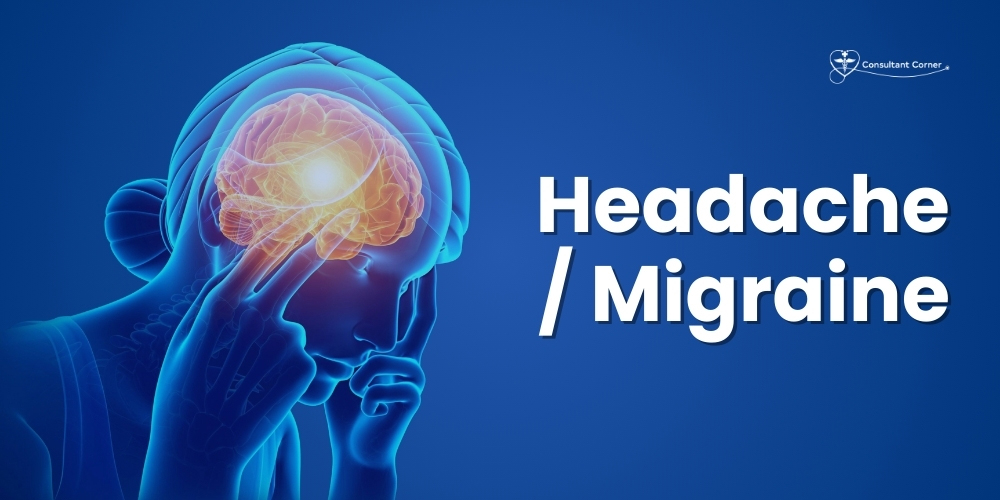
A migraine is a complex neurological disorder marked by repeated episodes of moderate to severe head pain, often throbbing or pulsating. Pain usually affects one side of the head but can occur on both sides and typically lasts from several hours up to three days. Migraines are commonly accompanied by nausea, vomiting, and sensitivity to light, sound, and smell, making daily activities difficult or impossible during an attack.
How Do Migraines Affect the Brain?
Migraines are more than headaches. They involve changes in nerve signaling, brain chemicals, and blood vessels. Pain is believed to result from inflammation of the dura mater (the membrane between the brain and skull) and activation of pain-sensitive nerves in the brain’s protective layers. These neurological changes explain why migraines cause intense pain along with widespread physical and cognitive symptoms.
What Is a Migraine Aura?
Some people experience an aura, which consists of temporary neurological symptoms that occur before or during a migraine attack. Aura may include:
- Visual disturbances (flashing lights, zigzag lines, blind spots)
- Tingling or numbness in the face or limbs
- Speech or language difficulties
Not everyone with migraines experiences aura, and its presence varies between individuals.
What Symptoms Occur Beyond Head Pain?
Migraines often cause symptoms beyond head pain, including:
- Mood changes
- Extreme fatigue
- Brain fog
- Digestive issues
Certain rare types, such as hemiplegic migraine, can cause temporary weakness or paralysis on one side of the body, which can mimic a stroke but is usually reversible.
What Is the Difference Between Episodic and Chronic Migraine?
Migraine is a long-term neurological condition that can be episodic or chronic:
- Episodic migraine: Fewer headache days per month
- Chronic migraine: 15 or more headache days per month, with at least 8 having migraine features
Chronic migraine significantly affects quality of life and daily functioning.
What Are the Most Common Migraine Symptoms?
Common migraine symptoms include:
- Intense, throbbing head pain (usually one-sided)
- Nausea and vomiting
- Sensitivity to light (photophobia)
- Sensitivity to sound (phonophobia)
- Sensitivity to smells (osmophobia)
Pain typically lasts 4–72 hours and can interfere with work, school, and daily life.
What Symptoms Can Occur Before, During, or After a Migraine?
Additional symptoms may appear at different stages of a migraine attack:
- Mood changes
- Difficulty concentrating
- Fatigue
- Frequent yawning
- Food cravings
Some individuals experience aura symptoms such as visual changes, tingling, or speech difficulty.
What Other Body-Wide Symptoms Can Migraines Cause?
Migraines may also cause:
- Dizziness or vertigo
- Neck and shoulder pain
- Sinus pressure or ear pain
- Increased urination
- Sensitivity to touch or temperature
- Gastrointestinal symptoms (stomach pain, diarrhea, constipation)
Symptom combinations and severity vary widely between individuals.
What Are the Phases of a Migraine Attack?
Migraine symptoms often occur in phases:
- Prodrome: Early warning signs (fatigue, mood changes, food cravings)
- Aura: Temporary neurological symptoms (when present)
- Headache phase: Severe pain and associated symptoms
- Postdrome: Lingering fatigue, brain fog, or mood changes
Not everyone experiences every phase.
What Types of Migraines Exist?
1. Migraine Without Aura
The most common type, featuring moderate to severe one-sided headaches lasting 4–72 hours with nausea and light/sound sensitivity.
2. Migraine With Aura
Includes temporary neurological symptoms such as visual, sensory, or speech disturbances before or during the headache.
3. Chronic Migraine
Headaches on 15 or more days per month, with at least 8 migraine days.
4. Vestibular Migraine
Characterized mainly by dizziness, vertigo, and balance problems, with or without head pain.
5. Hemiplegic Migraine
A rare migraine with aura causing temporary weakness or paralysis on one side of the body.
6. Migraine With Brainstem Aura
Includes brainstem symptoms such as vertigo, slurred speech, and double vision—without motor weakness.
7. Abdominal Migraine
More common in children, causing abdominal pain, nausea, and vomiting.
8. Menstrual Migraine
Triggered by estrogen fluctuations during the menstrual cycle.
Learn More: What Is Ocular Migraine? Vision Changes & Migraine Types
What Causes Migraines?
Migraines result from a complex interaction of neurological, vascular, genetic, and environmental factors. A key mechanism is nerve inflammation in the dura mater, leading to altered pain signaling and blood flow. Genetics plays a major role, as migraines often run in families.
Learn More: Migraines Explained: Causes, Triggers, and Neurology Care
What Are Common Migraine Triggers?
Hormonal & Lifestyle Triggers
- Menstrual cycle, pregnancy, menopause
- Stress
- Irregular sleep
- Skipping meals
- Physical exertion
Sensory & Environmental Triggers
- Bright or flickering lights
- Loud noises
- Strong smells
- Weather or barometric pressure changes
Dietary Triggers
- Alcohol (especially wine)
- Caffeine
- Aged cheeses
- Processed foods
- Artificial additives
Often, multiple triggers combine to provoke an attack.
How Are Neck, Jaw, and Nerves Related to Migraines?
Neck-, jaw-, and nerve-related migraines often involve the trigeminal nerve, which supplies sensation to the face, jaw, and head and connects with blood vessels and meninges. Irritation of this nerve can cause pain in the eyes, temples, jaw, or neck.
How Are TMJ Disorders Linked to Migraines?
TMJ disorders can trigger migraines because the trigeminal nerve supplies the jaw. TMJ inflammation or dysfunction can:
- Cause jaw or ear pain
- Trigger migraines
- Increase migraine frequency through central sensitization
How Does Neck Pain Contribute to Migraines?
Cervical nerves (C2–C4) connect with the trigeminal nerve at the brainstem, allowing pain signals to overlap. Poor posture, muscle strain, or cervical spine issues can worsen migraines or mimic conditions like cervicogenic headache or occipital neuralgia.
What Treatment Options Are Available for Migraines?
Migraine treatment focuses on stopping attacks and preventing future episodes.
What Medications Treat Acute Migraines?
- NSAIDs (ibuprofen, aspirin)
- Acetaminophen
- Triptans
- Gepants
- Anti-nausea medications
What Medications Prevent Migraines?
- Beta-blockers
- Antidepressants
- Anticonvulsants
- CGRP inhibitors
How Does Botox Treat Chronic Migraine?
Botox is FDA-approved for chronic migraine and involves 31 injections every 12 weeks. It blocks pain signaling and reduces migraine frequency by approximately 50% in responders, with effects typically starting within 2–3 weeks.
What Is Infusion Therapy for Migraines?
Infusion therapy delivers medication intravenously for severe or refractory migraines. Options include:
- DHE
- Ketorolac
- Antiemetics
Preventive infusions like eptinezumab (Vyepti) are given every 12 weeks.
When Do Migraines Become a Medical Emergency?
Seek emergency care for:
- Thunderclap headache
- Fever, stiff neck, confusion, seizures
- Vision loss or weakness
- Headache after injury
- New headache after age 50
What Is Status Migrainosus?
A migraine lasting more than 72 hours, which can cause dehydration, electrolyte imbalance, and increased stroke risk—often requiring hospital care.
How Do Migraines Affect Work and Disability Status?
Migraines cause:
- 4–10 lost workdays per year
- 6–7 hours/week of reduced productivity
Chronic migraines may qualify as a disability under SSDI if documented with:
- 15+ migraine days/month
- Failed treatments
- Functional limitations lasting 12+ months
Employers may need to provide accommodations under the ADA.
Speak With a Neurologist About Your Migraines
If migraines are interfering with your work, sleep, or quality of life, it’s time to get expert neurological care. Migraines are a medical condition, not “just headaches,” and proper evaluation can make a real difference.
At MyConsultantCorner, our experienced neurologists provide personalized migraine care—whether you’re dealing with occasional attacks, chronic migraines, aura symptoms, or migraines that no longer respond to standard medications. We take the time to understand your symptoms, identify triggers, and create a treatment plan tailored to your needs.
👉 Schedule your consultation today and take the first step toward better migraine control.
🌐 Visit https://myconsultantcorner.com/ to book your appointment and speak with a neurologist who understands migraines.
MyConsultantCorner — Expert Neurology Care, When Your Brain Health Matters Most.