What Is the Biggest Cause of Migraines?
The biggest underlying cause of migraines is a genetic predisposition that makes the brain more excitable and sensitive to internal and external triggers. This inherited sensitivity means the nervous system reacts more strongly to everyday changes such as stress, sleep disruption, or hormonal fluctuations, leading to migraine attacks.
Rather than having one single cause, migraines usually develop when a genetically sensitive brain is exposed to specific triggers.
Is Migraine Primarily a Genetic Condition?
Yes, migraine is strongly influenced by genetics.
Research and family studies show that around 60% of migraine susceptibility is inherited, which explains why migraines often run in families. People who inherit migraine-related genes tend to have:
-
Increased baseline brain excitability
-
Over-responsive pain pathways
-
A lower threshold for triggering head pain
This genetic setup makes the brain more likely to react intensely to changes that would not affect someone without migraine susceptibility.

How Does Brain Sensitivity Lead to Migraine Pain?
In migraine-prone individuals, the brain’s pain networks are easier to activate.
Genes linked to migraine are thought to affect how nerve cells communicate, especially within pain pathways such as the trigeminovascular system. Because of this heightened sensitivity:
-
Minor stimuli can trigger severe pain
-
Sensory signals (light, sound, smell) are amplified
-
Pain pathways remain active longer during an attack
This explains why migraines are often intense, long-lasting, and accompanied by nausea or sensory sensitivity.
What Are the Most Common Everyday Migraine Triggers?
Triggers do not cause migraines on their own; they activate an already sensitive nervous system.
Why Is Stress the Most Common Trigger?
Stress is one of the most frequently reported migraine triggers, particularly sudden changes in stress levels. Many people experience migraines:
-
During stressful periods
-
After stress ends (“let-down” migraines)
Stress affects brain chemicals, sleep patterns, and muscle tension, all of which lower the migraine threshold.
What Other Daily Triggers Commonly Set Off Migraines?
8 Common Daily Triggers That Set Off Migraines:
-
Lack of sleep or irregular sleep schedules
-
Skipping meals or fasting
-
Dehydration
-
Bright or flickering lights
-
Strong smells
-
Weather or barometric pressure changes
-
Alcohol consumption
-
Excess caffeine or caffeine withdrawal
Each trigger slightly lowers the brain’s tolerance until a migraine attack is initiated.
Why Do Hormones Play Such a Big Role in Migraines?
Hormonal fluctuations, especially changes in estrogen, are a major migraine trigger for many women.
Migraines often worsen:
-
Around menstruation
-
During perimenopause
-
With hormonal contraceptive changes
Estrogen directly influences pain pathways and brain excitability. When estrogen levels drop, the brain becomes even more sensitive, making migraine attacks more likely during certain phases of the hormonal cycle.
What Happens in the Brain During a Migraine Attack?
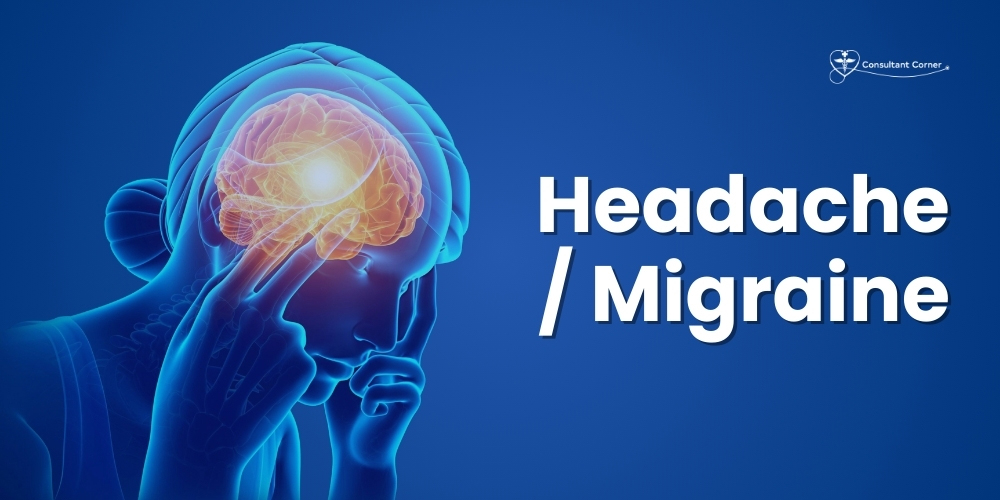
Migraine is a neurological process, not just a headache.
What Is Cortical Spreading Depression?
In many people, particularly those with migraine aura, a wave of electrical and chemical activity spreads across the brain’s cortex. This phenomenon, called cortical spreading depression, can:
-
Trigger aura symptoms
-
Activate pain-sensitive structures
-
Start inflammation in the meninges
How Does This Lead to Migraine Pain?
Once activated, the trigeminovascular system becomes sensitized. This results in:
-
Throbbing head pain
-
Sensitivity to light, sound, and touch
-
Nausea and vomiting
The longer this system remains activated, the more severe and prolonged the migraine becomes.
Is There One Single Cause of Migraines?
No. Migraines almost never have one single cause.
They occur due to a combination of inherited brain sensitivity and multiple triggers acting together. The same trigger may cause a migraine one day and not another, depending on sleep, stress, hormones, and overall brain load.
How Can You Identify Your Biggest Migraine Triggers?
Because migraines are highly individual, identifying personal triggers is essential.
Keeping a migraine diary can help track:
-
Stress levels
-
Sleep patterns
-
Meals and hydration
-
Hormonal cycles
-
Environmental exposures
Recognizing patterns allows better prevention strategies and helps guide medical treatment when needed.
Key Takeaway: What Is the Biggest Cause of Migraines?
The biggest cause of migraines is an inherited migraine-prone nervous system, with triggers like stress, sleep disruption, and hormonal changes determining when attacks occur.
Managing migraines effectively means addressing both:
-
The underlying neurological sensitivity
-
The personal triggers that push the brain past its threshold
Take Control of Your Migraines — Get Expert Neurology Care Today
Migraines Affect More Than Your Head
Living with migraines isn’t just about headaches—it’s about missed workdays, disrupted family time, anxiety over the next attack, and constantly planning your life around pain. When migraines interfere with your ability to think clearly, work productively, or enjoy everyday moments, it’s a sign that you need more than short-term relief.
Personalized Neurology Care That Looks at the Whole Picture
At MyConsultantCorner, we connect you with experienced neurology specialists who focus on identifying the root cause of your migraines—not just suppressing symptoms. Our care is tailored to you, whether you’re dealing with chronic migraines, visual changes, vestibular symptoms, hormonal triggers, or migraines that haven’t responded to standard medications.
What Your Migraine Evaluation May Include
We believe migraine care should never be one-size-fits-all. Your consultation may involve:
-
A detailed review of your symptoms and migraine history
-
Trigger identification and pattern analysis
-
Medication review and optimization
-
Preventive strategies, including CGRP therapies or Botox when appropriate
-
Practical guidance on lifestyle factors that truly influence migraine control
Most importantly, we take the time to listen—because effective migraine treatment starts with understanding your experience.
Why Early Specialist Care Matters
If your migraines are becoming more frequent, more intense, or harder to manage, waiting can allow them to progress into a chronic, disabling pattern. Early care from a neurology specialist can:
-
Reduce the number of migraine days
-
Improve focus, productivity, and quality of life
-
Help prevent long-term migraine progression
You don’t have to plan your life around migraines. With the right expert care, better control is possible.
👉 Schedule your neurology consultation today and take the first step toward fewer migraine days, better symptom control, and a clearer path forward.
🌐 Visit: https://myconsultantcorner.com
📍 Address: 1404 Eastland Dr, Bloomington, IL 61701, United States
📍 Address: 5140 Montana Ave, El Paso, TX 79903, United States
📞 Call: +1 (888) 208–2208
📧 Email: info@myconsultantcorner.com
MyConsultantCorner — Expert Neurology Care for Migraines, Focused on Relief, Prevention, and Quality of Life.