
Intracerebral Hemorrhage 7 Deadly Causes: Attacks That Must Be Prevented
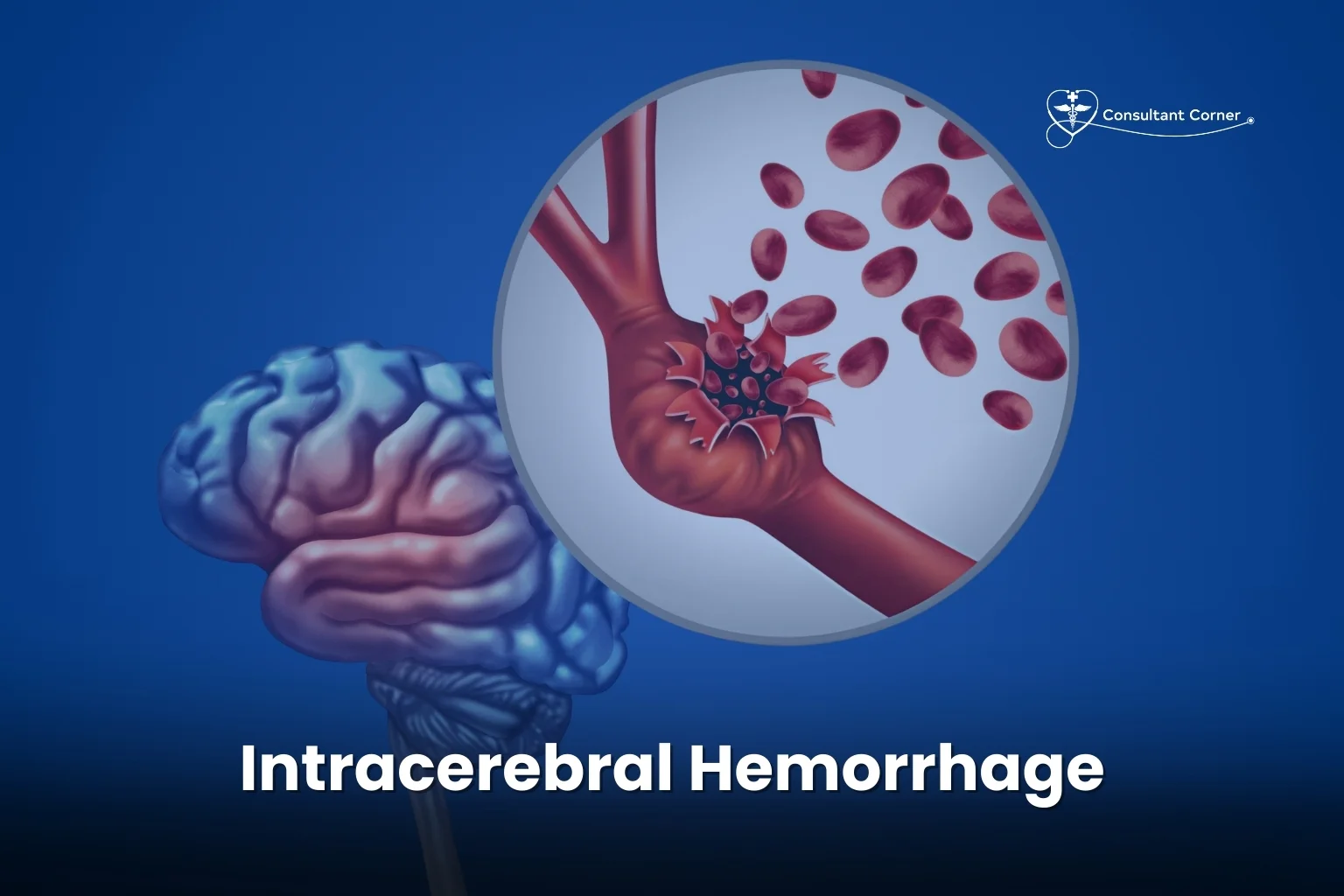
Intracerebral hemorrhage is one of the most dangerous types of strokes a person can have, and understanding what causes it can make the difference between prevention and a life-changing emergency. Intracerebral hemorrhage occurs when a blood vessel inside the brain bursts and blood spills directly into surrounding brain tissue, damaging cells within minutes and increasing pressure inside the skull. Unlike ischemic stroke, which occurs when a blood clot blocks blood flow, intracerebral hemorrhage is a hemorrhagic stroke — and it usually strikes suddenly, without any warning signs.
At Consultant Corner, our neurology team sees firsthand how intracerebral hemorrhage can change lives overnight. This guide explains in detail what exactly causes intracerebral hemorrhage, who is most at risk, how doctors diagnose and treat it, and what the recovery process is like — so you and your family know what to look out for and when to take action.
What is intracerebral hemorrhage?
Intracerebral hemorrhage (often abbreviated ICH) is bleeding into the brain’s own tissue, known as the parenchyma. It is different from subdural or epidural hemorrhage, which occurs between the brain and skull, and from subarachnoid hemorrhage, which affects the space around the brain. When a blood vessel bursts inside the brain, the blood clots and forms a lump called a hematoma. This hematoma puts pressure on the surrounding brain tissue, cutting off oxygen supply, and can rapidly increase intracranial pressure — the combined effects of which make intracerebral hemorrhage a true medical emergency.
About 10-15% of all strokes in the United States are caused by this condition, but it accounts for a disproportionate share of stroke-related deaths and long-term disability. About half of patients do not survive the first year, and of those who do, fewer than one in five regain full independence within six months. The outcome depends largely on how large the hemorrhage is, where it is located, whether it has spread to the brain’s fluid-filled ventricles, and — most importantly — how quickly treatment is initiated.
Unlike ischemic strokes, which are sometimes preceded by a “mini-stroke” or transient ischemic attack as a warning sign, this type of brain hemorrhage usually occurs without any warning signs. One moment a person feels fine; the next moment, he suddenly feels a headache, weakness, or confusion. This uncertainty is why understanding the underlying causes — and managing the risk factors within your control — is so important. Prevention is by far the most effective treatment.

Main Causes of Intracerebral Hemorrhage
Doctors generally divide the causes of intracerebral hemorrhage into two categories: primary (spontaneous) hemorrhage, which occurs due to long-term damage to small blood vessels, and secondary hemorrhage, which occurs due to an identifiable structural problem, such as a tumor or malformed blood vessel. Here are seven causes that we see most often.
1. Chronic high blood pressure (hypertension)
Uncontrolled hypertension is the main cause of intracerebral hemorrhage. Over years, high blood pressure weakens the walls of the small, deep arteries in the brain — especially in areas like the basal ganglia, thalamus, cerebellum, and brainstem. Eventually, those fragile blood vessel walls can rupture. This is why your neurologist will often look at blood pressure control first after diagnosing an intracerebral hemorrhage, and it is considered the most preventable cause of this condition.
2. Cerebral Amyloid Angiopathy (CAA)
In older adults, a condition called cerebral amyloid angiopathy is a leading cause of bleeding inside the brain, especially in cases of bleeding near the surface of the brain (lobar hemorrhage). CAA occurs when an abnormal protein called amyloid builds up in the walls of small and medium-sized blood vessels, making them stiff, brittle, and prone to bursting. It becomes more common with age and can sometimes occur with Alzheimer’s-related changes in the brain.
3. Head trauma
A fall, car accident, sports injury, or blow to the head can tear a blood vessel and cause a direct traumatic intracerebral hemorrhage. Traumatic hemorrhage can occur immediately or develop over the next few hours or days, which is why anyone who has a serious head injury should be closely monitored, even if they initially feel well.
4. Aneurysms and Vascular Malformations
A brain aneurysm is a weak, bulging area in the wall of an artery. Similarly, an arteriovenous malformation (AVM) is a tangle of abnormal blood vessels that connect arteries and veins without the normal capillary network in between. Both conditions create structural weaknesses that can rupture and bleed into brain tissue, and both are more commonly identified as causes of intracerebral hemorrhage in younger patients who do not have high blood pressure or CAA.
5. Blood thinners and blood clotting problems
Medications such as warfarin, heparin, and newer anticoagulants (such as apixaban or rivaroxaban) reduce the blood’s ability to clot, which is essential for preventing conditions like ischemic stroke and blood clots — but they also increase the risk of bleeding if a blood vessel is damaged or ruptured. Bleeding disorders, liver disease, and low platelet counts can also have the same effect, making it more difficult to control bleeding in the brain once it starts.
6. Drug and alcohol use
Stimulant drugs, especially cocaine and methamphetamine, cause a sudden increase in blood pressure that can lead to bleeding inside the brain, even in people who don’t have any pre-existing blood vessel disease. Heavy and prolonged alcohol use also increases the risk of bleeding inside the brain, by increasing blood pressure and disrupting the normal blood clotting process.
7. Brain Tumors and Hemorrhagic Conversion
Some brain tumors have a rich but fragile blood supply and can bleed spontaneously. Bleeding into the brain can also occur as a complication of a previous ischemic stroke — a process called hemorrhagic conversion — when damaged blood vessels in the stroke-affected area become perforated as blood flow is restored.
Is it possible to prevent this type of brain hemorrhage?
Since the main cause is chronic high blood pressure, its prevention largely depends on long-term cardiovascular health. Steps that significantly reduce risk include:
- Keeping blood pressure under control through medication, home monitoring, and regular health checkups
- Avoiding stimulant drugs, including cocaine and methamphetamine
- Limiting alcohol consumption to moderate amounts
- Quitting smoking, which damages blood vessel walls over time
- Wearing seatbelts and helmets to reduce the risk of brain injury
- Reviewing blood thinners regularly with your doctor, especially after age 65
- Getting screened for aneurysms or birth defects of blood vessels if there is a family history
None of these steps guarantee complete prevention, but together they address the most common and modifiable causes and significantly reduce the chance of a first or repeat hemorrhage.
Intracerebral hemorrhage risk factors at a glance
| Risk Factor | Why It Matters |
|---|---|
| High blood pressure | Weakens the walls of small arteries over time; it is the number one modifiable risk factor |
| Age 60+ | Blood vessel walls naturally become stiffer and more fragile as we age |
| Cerebral amyloid angiopathy | A common cause of lobar hemorrhage in the elderly |
| Blood thinner use | Impairs blood clotting, increasing the severity of bleeding |
| Smoking | Damages blood vessel walls and increases blood pressure |
| Heavy alcohol use | Increases blood pressure and impairs blood clotting |
| Male gender | Studies have shown a slightly higher incidence in men |
| Family history of aneurysm/AVM | Increases the risk of structural abnormalities in blood vessels |
| Cocaine or methamphetamine use | Causes a sudden and severe increase in blood pressure |

Warning Signs and Symptoms of Intracerebral Hemorrhage
Because intracerebral hemorrhage develops quickly, recognizing its symptoms early can save lives. Common symptoms include:
- Sudden, severe headache, often described as “the worst headache of my life”
- Sudden weakness or numbness, usually on one side of the body
- Slurred speech or difficulty finding words
- Changes in vision or double vision
- Lack of balance or coordination
- Nausea and vomiting
- Seizures
- Sudden confusion or decreased level of consciousness
When to call 911
Any combination of the above symptoms should be considered a medical emergency. Do not wait to see if the symptoms get better on their own. Call 911 immediately if you notice:
- New weakness or numbness
- New difficulty speaking
- Seizures
- Sudden severe headache
- Sudden confusion or drowsiness
These symptoms may indicate active or recurring bleeding in the brain, and every minute of delay increases the risk of permanent brain damage.
How doctors diagnose intracerebral hemorrhage
A CT scan is usually the fastest way to confirm this diagnosis in the emergency department, as it can detect bleeding within minutes and helps doctors estimate the extent and location of the bleeding. An MRI is often done once the patient is stable, which shows the surrounding brain tissue in more detail and helps identify underlying structural causes such as AVMs, aneurysms, or tumors. Blood tests are also done to check blood clotting function and platelet counts, especially in people who are taking blood thinners, as this information directly influences treatment decisions during the critical first few hours.
In some cases, doctors order a follow-up scan after 24 to 48 hours to check if the bleeding has increased, as the expansion of the hematoma in the first few hours is one of the strongest predictors of long-term outcome.

Treatment options for intracerebral hemorrhage
Treatment depends on the size, location, and cause of the hemorrhage, but typically includes:
- Controlling blood pressure to prevent further bleeding
- Reversal of blood thinners, if applicable, using specific reversal agents
- Monitoring for increased intracranial pressure, sometimes with a ventricular drain
- Surgery, in selected cases, to remove large hematomas or repair aneurysms/AVMs
- Antiseizure medications, as seizures are a known complication of brain hemorrhage
- Rehabilitation, which begins as soon as the patient is medically stable
Life after intracerebral hemorrhage: Why follow-up care is important
Surviving a brain hemorrhage is just the beginning. Leaving the hospital doesn’t mean the recovery is over — many patients continue to experience problems for months afterward, such as weakness, dizziness, memory changes, mood swings, or increased risk of seizures. Ongoing neurological follow-up is one of the most important things to protect the long-term health of the brain after an intracerebral hemorrhage.
At Consultant Corner, our post-intracerebral hemorrhage follow-up program includes:
- A complete review of hospital records and imaging, explained in simple terms
- Optimal management of medications and blood pressure to help prevent rebleeding
- Monitoring and treatment coordination for seizures
- Referral for physical, occupational, and speech therapy as needed
- Support for cognitive and emotional recovery, including memory and mood changes
- Safety and lifestyle planning, including driving and fall prevention
- Same-week appointments, because recovery shouldn’t wait
If you or a loved one is experiencing persistent weakness, memory problems, slurred speech, or unexplained “faints” after a brain hemorrhage, it’s time to talk to a stroke recovery specialist.
Weeks or months after the initial event, survivors remain at significant risk for a variety of complications, including rebleeding, post-stroke seizures (sometimes called post-stroke epilepsy), gradual cognitive decline, depression or irritability, uncontrolled blood pressure, and falls due to chronic imbalance. Regular follow-up helps your care team identify these problems early — often before they become emergencies — and adjust medications, therapy plans, and lifestyle recommendations as your recovery progresses. The recovery process is rarely linear; many patients see continued improvement for a year or more after a hemorrhage, especially when rehabilitation is initiated quickly and continued consistently.
Our Related Neurology Services
Intracerebral hemorrhage rarely occurs in isolation from other neurological problems. If you are researching brain health, these related guides from our blog may help you:
- What is a head injury? — Since head injury is a leading cause of intracerebral hemorrhage
- What causes ischemic stroke? — A stroke caused by a blood clot that can sometimes turn into a hemorrhagic stroke
- Understanding Headaches/Migraines — Helping to distinguish a common headache from a dangerous one
- Understanding Alzheimer’s Disease — Cerebral amyloid angiopathy, a leading cause of intracerebral hemorrhage in the elderly, has a biological structure similar to Alzheimer’s disease
Our Locations
Consultant Corner provides expert neurology services for intracerebral hemorrhage survivors and their families in two locations:
- Consultant Corner – Neurological Care in Bloomington, IL — Neurologists in Bloomington, Illinois
- Consultant Corner – Neurological Care in El Paso, TX — Health Consultants in El Paso, Texas
Our service is led by Sakib A. Chowdhury, MD, a board-certified vascular neurologist and neurointensivist who specializes in treating strokes and brain hemorrhages.
Our Bloomington Care Partner: MyCare Express Care
Consultant Corner is proud to work with MyCare Express Care. It is a walk-in clinic located at 1404 Eastland Drive, Suite 103 in Bloomington, Illinois. MyCare Express Care offers same-day service for non-urgent health issues, physical exams, and, most notably, virtual neurology appointments, making it easy for patients in central Illinois to connect with neurology help quickly. If you need non-urgent care in Bloomington while waiting for a full neurology follow-up, MyCare Express Care is a trusted organization we are happy to work with.
-
Frequently Asked Questions About Intracerebral Hemorrhage
Is intracerebral hemorrhage the same as stroke?
Yes. Intracerebral hemorrhage is a type of hemorrhagic stroke, which is caused by bleeding inside the brain, not due to a blocked blood vessel (which causes ischemic stroke).
Can intracerebral hemorrhage be caused by anything other than high blood pressure?
Yes, although hypertension is the most common cause. Intracerebral hemorrhage can also be caused by cerebral amyloid angiopathy, head trauma, aneurysms, AVMs, blood thinners, drug use, or tumors.
What is the survival rate for intracerebral hemorrhage?
Outcomes vary widely based on the size and location of the hemorrhage, but about half of patients survive the first year, and the chances of survival increase significantly with prompt treatment and regular follow-up care.
How long does it take to recover from an intracerebral hemorrhage?
Recovery time varies from patient to patient. With regular rehabilitation and neurology follow-up, some improvement is often seen over six to twelve months or longer.
Can intracerebral hemorrhage recur?
Yes. Patients who have had an intracerebral hemorrhage once are at increased risk of having another one, especially if blood pressure and other risk factors are not well controlled — which is why ongoing neurology follow-up is so important.
When should I see a neurologist after an intracerebral hemorrhage?
Ideally, within one to two weeks of discharge from the hospital, and sooner if you notice new weakness, changes in speech, seizures, or worsening headaches.
Ready to talk to a neurologist?
Whether you are recovering from an intracerebral hemorrhage yourself or helping a loved one through this difficult time, you don’t have to go it alone. Contact Consultant Corner online, or call +1 888 208 2208.
External resources on intracerebral hemorrhage
For more reading from trusted medical sources:





1 Comment
Very informative content! Understanding the deadly causes of intracerebral hemorrhage is so important for prevention. Thanks for sharing this valuable knowledge—stay healthy everyone!