How Are the Neck, Jaw, and Nerves Connected to Migraines?
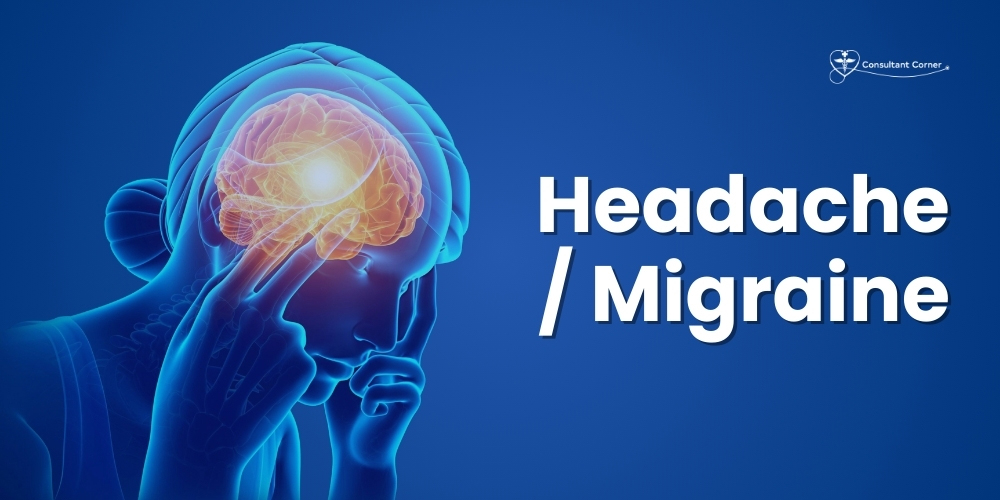
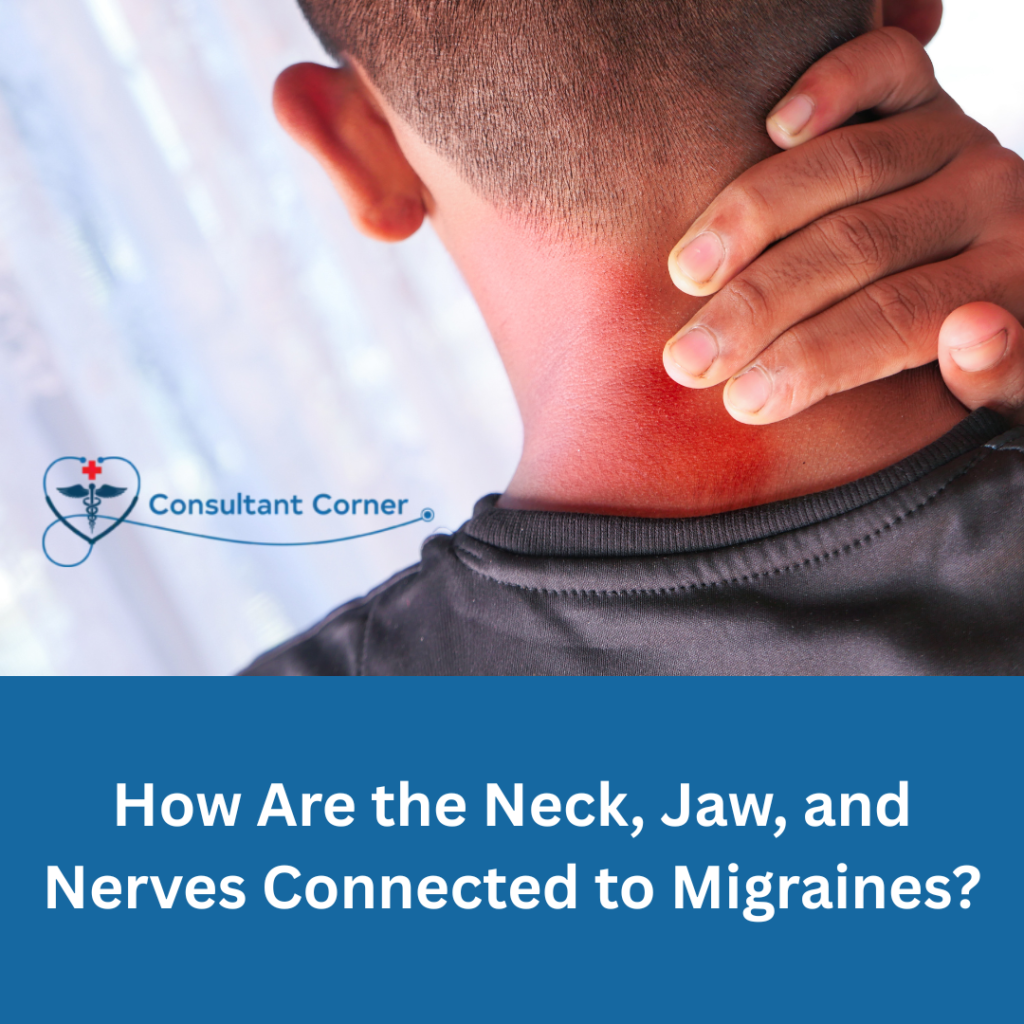
Neck, jaw, and nerve-related migraines usually involve irritation of shared pain pathways between the trigeminal nerve (which supplies the face and jaw) and the upper cervical nerves (C1–C3) in the neck. Because these nerves converge in the brainstem, problems in one area can trigger or worsen migraine attacks rather than acting as separate conditions.
What Role Does the Trigeminal Nerve Play in Migraine Pain?
The trigeminal nerve is the primary sensory nerve of the face, jaw, teeth, and front of the head, and is a central pathway in migraine. When activated, it releases pain-mediating chemicals such as CGRP (calcitonin gene-related peptide) that drive migraine inflammation and sensitivity.
This is why migraine pain may be felt around the eyes, temples, jaw, teeth, or face—even when the origin is neurological rather than dental or muscular.
Why Does Neck Pain Often Occur With Migraines?
Sensory fibers from the upper cervical spine (C1–C3) and the trigeminal nerve converge in a brainstem region called the trigeminocervical nucleus. This overlap allows pain signals from the neck to be interpreted as head pain and vice versa.
Because of this shared pathway:
-
Neck muscle tension, joint dysfunction, or poor posture can lower the migraine threshold
-
Neck pain may act as a trigger, prodrome, or part of the migraine itself
Is Neck Pain a Symptom of Migraine or a Separate Headache?
Many people with migraine experience neck pain as an early warning sign or during the attack itself, not just as muscle soreness.
However, a condition called cervicogenic headache originates directly from the cervical spine and has different features:
-
Neck stiffness and reduced range of motion
-
Pain worsened by specific neck movements or pressure
-
Less nausea and light/sound sensitivity compared to migraine
Overlap is common, and some patients have both migraine and cervicogenic headache, which is why evaluating posture, neck mobility, and muscle tenderness is important for treatment planning.
Can TMJ or Jaw Problems Trigger Migraines?
Yes. Temporomandibular joint (TMJ) disorders can contribute to migraines by causing muscle tension, inflammation, and nerve irritation around the jaw.
TMJ-related issues may:
-
Refer pain to the temples, face, and head
-
Increase central sensitization
-
Trigger or worsen migraine attacks in susceptible individuals
Research shows people with TMJ disorders have a higher risk of migraines. Treating jaw dysfunction—through splints, jaw physiotherapy, bite correction, and relaxation techniques—can reduce headache frequency in some patients, especially when combined with migraine-specific treatment.
How Is Trigeminal Neuralgia Different From Migraine Pain?
Trigeminal neuralgia (TN) is a separate neurological condition involving damaged or compressed trigeminal nerve fibers.
Key differences include:
-
TN pain is brief, electric shock–like, and lasts seconds
-
It is triggered by talking, chewing, or light touch
-
Migraine pain lasts hours to days, is throbbing, and often includes nausea, light sensitivity, and fatigue
People with migraine with aura may have a higher risk of developing trigeminal neuralgia, so new, sharp, electric facial or jaw pain should always prompt neurological evaluation.
How Are Neck-, Jaw-, and Nerve-Related Migraines Evaluated?
When neck or jaw symptoms are prominent, clinicians typically:
-
Take a detailed headache and pain history
-
Perform neurological and musculoskeletal exams
-
Rule out conditions such as trigeminal neuralgia, TMJ disorders, cervicogenic headache, or dental issues
-
Order imaging when red flags or atypical features are present
Proper diagnosis ensures treatment targets both the migraine and its contributing triggers.
What Treatments Help When Neck or Jaw Issues Worsen Migraines?
Management often combines multiple strategies, including:
-
Migraine-specific medications (triptans, CGRP blockers, preventives)
-
Physical therapy for posture, neck mobility, and muscle dysfunction
-
Dental or TMJ interventions when indicated
-
Ergonomic adjustments and stress reduction
-
Sleep optimization and clenching avoidance
This multimodal approach is often more effective than treating migraines alone.
When Should Neck or Jaw Pain With Migraine Be Urgently Evaluated?
Seek urgent medical assessment if you experience:
-
Sudden electric or stabbing facial pain
-
New severe one-sided neck pain with neurological symptoms
-
Rapid or unexplained change in headache pattern
-
Weakness, numbness, or vision changes
These symptoms may indicate structural, nerve, or vascular conditions that require prompt care.
Struggling With Migraines Linked to Neck or Jaw Pain?
If your migraines are worsening with neck stiffness, jaw tension, facial pain, or nerve symptoms, it’s time for a neurological evaluation.
At Consultant Corner, our neurologists specialize in identifying migraine triggers involving the trigeminal nerve, cervical spine, and TMJ pathways—so treatment targets the root cause, not just the pain.
👉 Speak with a neurologist and get a personalized migraine plan today.
🌐 https://myconsultantcorner.com/