What Is an Ocular Migraine?
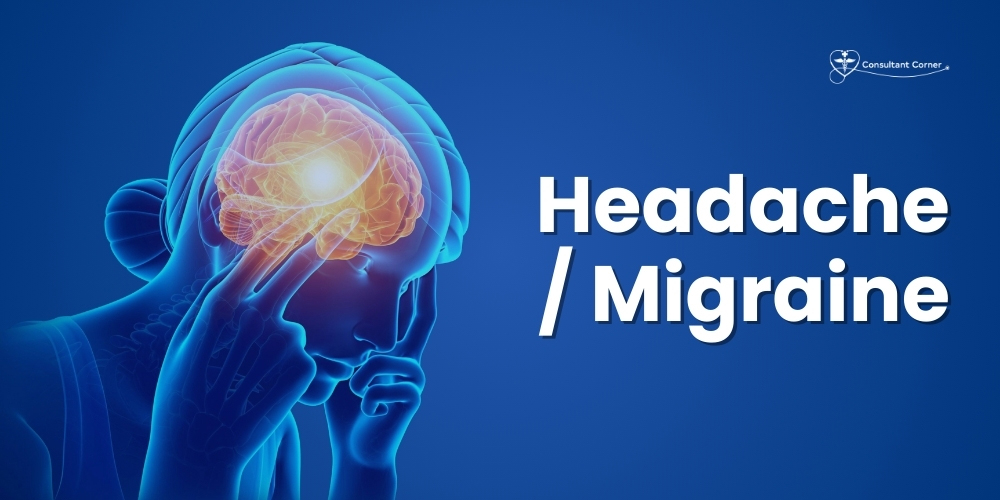
An ocular migraine, also known as retinal migraine, is a rare subtype of migraine that causes temporary visual disturbances in one eye, often followed by a headache.
It is different from typical migraine aura, which affects both visual fields and originates in the brain rather than the eye.
Ocular migraines are usually short-lived and reversible, but because they involve temporary vision loss, proper evaluation is important to rule out more serious conditions.
Learn More: Migraine Headaches: Causes, Symptoms, Types, and Treatment Options
Key Symptoms of Ocular Migraine
Visual symptoms typically affect only one eye and may include:
-
Blind spots (scotoma)
-
Flashing or flickering lights
-
Zigzag or shimmering patterns
-
Partial or complete vision loss in one eye
Symptoms usually:
-
Last 5–60 minutes
-
Resolve completely
-
May be followed by a migraine headache
Associated headache symptoms (when present) can include:
-
Throbbing head pain
-
Nausea or vomiting
-
Sensitivity to light
-
Fatigue
Some people experience visual symptoms without any headache.
What Causes an Ocular Migraine?
Ocular migraine is thought to result from temporary spasms or reduced blood flow in retinal blood vessels or the optic nerve.
Risk Factors & Triggers
Triggers often overlap with general migraine triggers, including:
-
Stress or emotional strain
-
Dehydration
-
Hormonal changes
-
Caffeine or alcohol
-
Bright or flickering lights
-
High blood pressure
-
Family history of migraine (genetic factors play a role in ~50% of cases)
Learn More : Migraine Headaches: Causes, Symptoms, Types and Treatment Options
Ocular Migraine vs Migraine Aura: What’s the Difference?
| Feature | Ocular Migraine | Migraine Aura |
|---|---|---|
| Affects | One eye | Both visual fields |
| Origin | Retina / optic nerve | Brain (visual cortex) |
| Vision loss | Monocular | Binocular |
| Rarity | Rare | Common (25–30%) |
Understanding this distinction is important for diagnosis and safety.
When Should You Seek Medical Care?
Most ocular migraines resolve without lasting harm. Urgent evaluation is needed if:
-
Vision loss lasts longer than 60 minutes
-
Symptoms occur frequently
-
Vision loss is sudden and severe
-
Symptoms are accompanied by:
-
Weakness
-
Speech difficulty
-
Confusion
-
New neurological symptoms
-
These signs require evaluation to rule out stroke, TIA, or retinal conditions.
How Is Ocular Migraine Diagnosed?
Diagnosis is based on:
-
Detailed symptom history
-
Eye examination
-
Neurological evaluation when needed
A neurologist or ophthalmologist may be involved to ensure accurate diagnosis and exclusion of serious causes.
Management & Treatment Options
Treatment focuses on trigger control and prevention.
Lifestyle Management
-
Stay well hydrated
-
Maintain regular sleep and meals
-
Manage stress
-
Avoid known triggers
Medications
-
Over-the-counter pain relievers for headache relief
-
Preventive medications (e.g., beta-blockers) for frequent episodes
Keeping a migraine diary helps identify patterns and triggers.
What Is a Silent Migraine?
A silent migraine, also called migraine aura without headache, involves typical migraine aura symptoms without head pain.
Common Symptoms
-
Visual disturbances (flashing lights, zigzag lines, blind spots)
-
Tingling or numbness
-
Speech difficulty
-
Dizziness
-
Fatigue or brain fog afterward (postdrome)
Diagnosis focuses on ruling out stroke or TIA, especially for new or atypical episodes.
What Are Dizziness and Vertigo Migraines?
Vestibular migraine causes dizziness or vertigo linked to migraine processes, even without head pain.
Key Symptoms
-
Spinning or falling sensation
-
Motion sensitivity
-
Nausea
-
Balance problems
-
A headache may or may not be present
It is one of the most common causes of recurrent vertigo.
Management
-
Regular sleep and meals
-
Hydration and stress control
-
Preventive migraine medications
-
Vestibular rehabilitation therapy
Migraine With Vision Changes: What Does It Mean?
Most migraine-related vision changes are due to migraine aura, affecting both eyes’ visual fields.
Common Visual Features
-
Shimmering zigzag lines
-
Flashing lights or sparkles
-
Blind spots or tunnel vision
-
Distorted or wavy vision
Symptoms typically:
-
Last 5–60 minutes
-
Resolve fully
-
Are followed by headache in many cases
When Vision Changes Are an Emergency
Seek immediate care for:
-
Vision loss lasting over 60 minutes
-
Sudden one-sided blindness
-
Vision loss with weakness or speech difficulty
When to See a Neurologist
You should seek specialist care if you experience:
-
Recurrent visual disturbances
-
New or worsening migraine symptoms
-
Vision changes with neurological symptoms
-
Uncertainty between ocular migraine and aura
A neurologist can confirm the diagnosis, guide treatment, and reduce future risk.
Get Expert Neurology Care for Migraines — From Consultant Corner
Whether you’re experiencing ocular migraines, silent migraines, vertigo, or visual aura, you don’t have to manage it alone. Consultant Corner provides modern, patient-centered neurology care to help you move forward with confidence.
📞 Phone: +1 (888) 208-2208
📧 Email: info@myconsultantcorner.com
🌐 Website: https://myconsultantcorner.com/
👉 Speak With a Neurologist About Your Migraine Symptoms Today