Can Stress Cause Migraines?
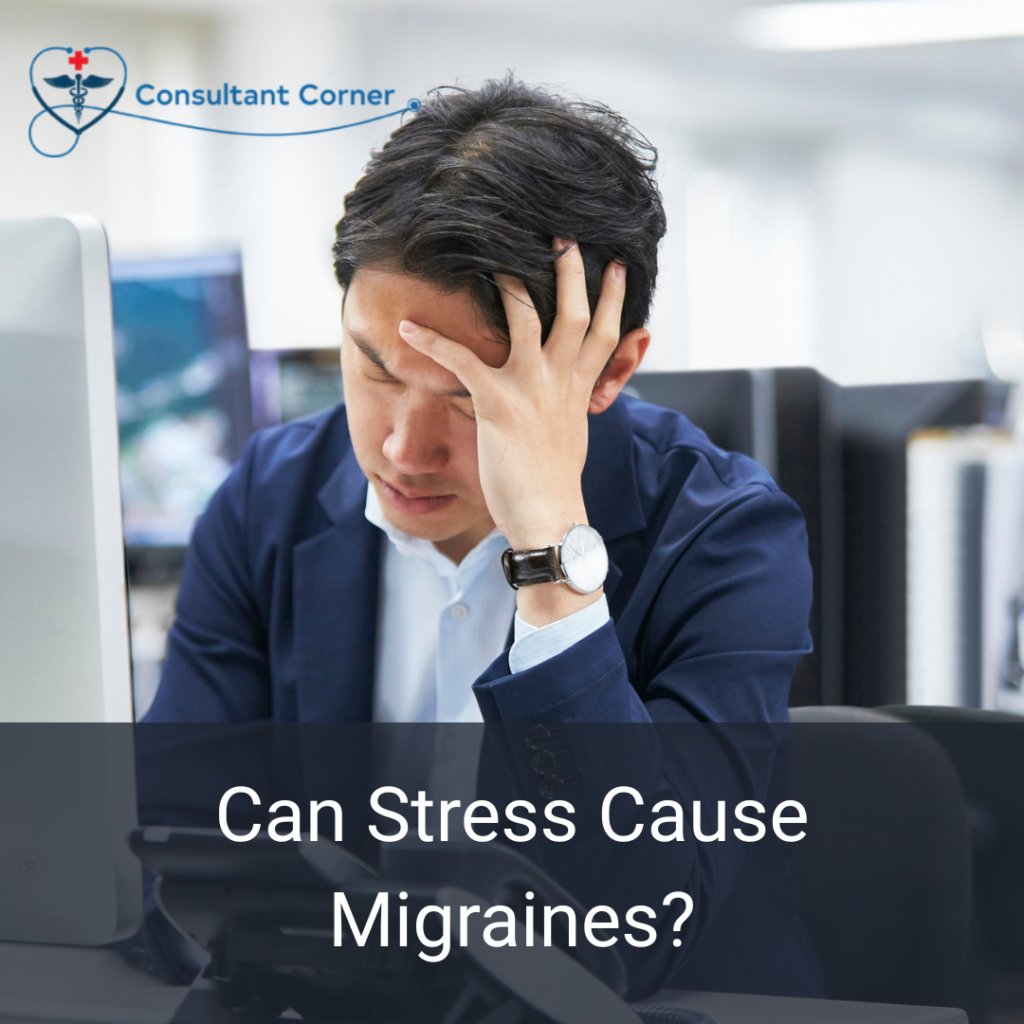
Yes. Stress is one of the most common migraine triggers, but it is usually a trigger rather than the root cause. Migraine itself is a neurological disorder, and stress tends to set off attacks in people who are already susceptible.
How Are Stress and Migraines Linked?
Studies show that 70–80% of people with migraine report stress as a trigger. Both:
-
High stress, and
-
The “let-down” period after stress (such as weekends or after exams/work deadlines)
are associated with increased migraine risk.
Stress alters brain chemicals and pain-processing pathways, lowering the brain’s threshold for migraine activation. Repeated or severe stress may also contribute to the transition from episodic migraine to chronic migraine in some individuals.
Does Stress Directly Cause Migraines?
Current evidence shows a strong association but not a simple cause-and-effect relationship. Stress does not “create” migraine in people without the condition, but it can:
-
Trigger attacks
-
Worsen severity
-
Increase disability
A vicious cycle often develops: migraines increase stress, which in turn promotes more migraines.
Does Weather Change Cause Migraines?
Yes, weather changes are a commonly reported migraine trigger, though scientific evidence shows variability between individuals.
Common Weather-Related Migraine Triggers
Reported triggers include:
-
Barometric pressure drops (storms)
-
High humidity
-
Extreme heat or cold
-
Bright sunlight
-
Windy conditions
Surveys suggest over one-third of migraine sufferers notice weather-related attacks. Research has shown, for example, a 26.5% increase in migraine odds with rising humidity in warmer months.
What Does Research Say?
Large reviews show that:
-
Weather changes can increase migraine frequency and severity in some people
-
Effects vary by location, season, and individual biology
-
Weather often acts in combination with stress, sleep disruption, or dehydration
Tracking personal patterns is more reliable than assuming universal sensitivity.
Does Alcohol Cause Migraines?
Alcohol is a frequent migraine trigger, but it does not cause migraine as a disease and affects only about 30–35% of people with migraine.
How Alcohol Triggers Migraines
Alcohol may trigger migraines through:
-
Dehydration (diuretic effect)
-
Blood vessel expansion
-
Inflammation via histamines
-
Breakdown into migraine-provoking metabolites
Darker drinks (especially red wine) are most often reported due to congeners, sulfites, and biogenic amines.
How Common Is Alcohol as a Trigger?
-
~30–35% report alcohol as an occasional trigger
-
Only ~10% report consistent triggering
-
Red wine is the most common, but beer and spirits may also trigger attacks
Low to moderate intake may not affect everyone and, in some studies, showed no clear association.
Can Certain Foods Cause Migraines?
Yes, certain foods can trigger migraines, but they usually affect 10–30% of people and rarely act alone.
Common Food Triggers
Frequently reported triggers include:
-
Aged cheeses (cheddar, blue, Parmesan)
-
Cured/processed meats (nitrates)
-
Chocolate
-
Caffeine
-
Artificial sweeteners (aspartame)
-
MSG
-
Fermented or pickled foods
-
Alcohol (especially red wine)
Skipping meals or irregular eating can further lower blood sugar, increasing vulnerability.
Why Do Foods Trigger Migraines?
Trigger foods may:
-
Alter serotonin levels
-
Promote inflammation
-
Affect nitric oxide signaling
-
Increase dehydration
Evidence is mostly self-reported, and individual variation is high, so blanket food avoidance is not recommended.
Can Heat or Cold Trigger Migraines?
Yes. Extreme heat or cold can trigger migraines in susceptible individuals, often as part of broader weather sensitivity.
How Heat Triggers Migraines
Heat can contribute by:
-
Causing dehydration
-
Increasing glare and light sensitivity
-
Disrupting sleep
-
Raising stress hormones like cortisol
Emergency visits for migraines increase during hot, humid conditions, though tolerance varies.
How Cold Triggers Migraines
Cold exposure may trigger migraines through:
-
Blood vessel constriction
-
Neck and facial muscle tension
-
Dry indoor air from heating
-
Reduced sunlight affects serotonin
Sudden temperature changes and winter barometric shifts may amplify risk.
Can Hormonal Changes Trigger Migraines?
Yes. Hormonal fluctuations—especially estrogen changes—are major migraine triggers, particularly in women.
Menstrual Migraines:
Up to two-thirds of women with migraine experience attacks around menstruation due to estrogen drops. These migraines are often:
-
More severe
-
Longer lasting
-
Less responsive to treatment
Some women experience pure menstrual migraines, occurring only during periods.
Pregnancy, Postpartum & Menopause:
-
Pregnancy: Migraines often improve mid-pregnancy
-
Postpartum: Rapid estrogen drop may worsen migraines
-
Perimenopause: Irregular estrogen fluctuations can increase frequency
-
Menopause: Symptoms often stabilize and improve
Hormonal Medications
Birth control pills or hormone therapy with estrogen withdrawal (pill-free weeks) may trigger migraines. Continuous formulations may help some individuals.
How Can You Manage Trigger-Related Migraines?
Practical, Evidence-Based Strategies
-
Keep a migraine diary (stress, sleep, weather, food, hormones)
-
Maintain regular sleep and meals
-
Stay well hydrated
-
Use sunglasses and glare protection
-
Practice stress-reduction techniques
-
Consider CBT, mindfulness, or biofeedback
-
Discuss preventive medications if triggers cause frequent attacks
Because triggers often combine, management is most effective when medical and lifestyle strategies are used together.
When to Seek Medical Advice
If migraines become:
-
Frequent
-
Severe
-
Disabling
-
Unpredictable
Or if triggers are difficult to control, a neurologist can help identify patterns and build a personalized prevention plan.
Speak With a Neurologist About Your Migraines
If stress, weather, hormones, or lifestyle triggers are causing frequent or severe migraines, expert neurological care can help. Migraines are a medical condition, and identifying patterns early can prevent attacks from becoming chronic or disabling.
At MyConsultantCorner, our neurologists evaluate migraine triggers, confirm diagnosis, and create personalized treatment plans to reduce frequency, severity, and long-term impact.
👉 Schedule a neurology consultation today
🌐 https://myconsultantcorner.com/