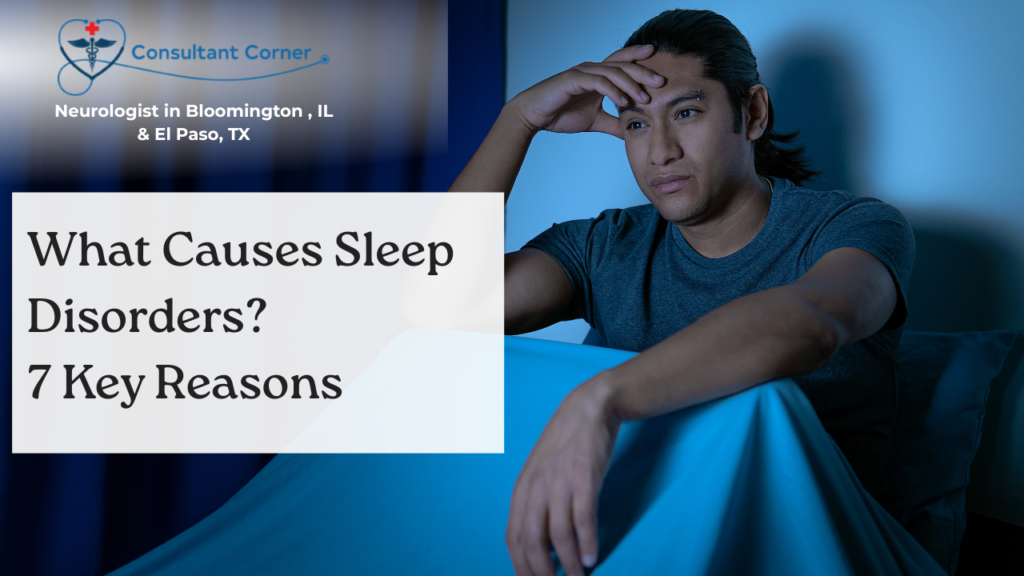
What causes sleep disorders? (And what the research really says)
If you’ve ever tossed and turned at night, woken up exhausted, or struggled to stay awake during the day, you’re not alone. Around 50–70 million adults in the U.S. have a chronic sleep disorder, and poor sleep costs the economy an estimated $411 billion a year in lost productivity and health issues (CDC, Sleep Foundation).
But what’s really behind sleep disorders? It’s rarely just “stress” or “bad habits.” Real causes run deep — from medical conditions and mental health to genes, meds, and even your bedroom setup. Let’s break it down, with real data and practical insights.
What medical conditions cause sleep disorders?
Many physical health problems directly mess with your ability to sleep well. In fact, studies show that over 80% of people with chronic pain also suffer from insomnia or disrupted sleep (Mayo Clinic, Sleep Medicine Reviews).
-
Chronic pain (arthritis, back pain, fibromyalgia, migraines) makes it hard to fall asleep and stay asleep. Pain signals keep the brain alert, even when the body is tired.
-
Breathing issues like asthma, COPD, allergies, and sinus problems can cause frequent awakenings, especially at night.
-
Heart and lung conditions (heart failure, atrial fibrillation, COPD) are strongly linked to central sleep apnea, where breathing stops and starts during sleep.
-
Neurological disorders such as Parkinson’s, multiple sclerosis, and stroke often disrupt normal sleep patterns and increase the risk of REM sleep behavior disorder.
-
Obesity is a major driver of obstructive sleep apnea. Research shows that people with a BMI over 30 are 5–10 times more likely to develop OSA than those with a healthy weight (American Academy of Sleep Medicine).
-
Diabetes, GERD, and thyroid issues (like hypothyroidism) also contribute to poor sleep quality and nighttime awakenings.
Bottom line: If you have a long‑term health condition, it’s worth asking your doctor, “Could this be affecting my sleep?”
How mental health affects sleep disorders
Mental health is one of the biggest triggers of sleep problems, especially insomnia. Studies show that:
-
75–90% of people with depression report trouble sleeping.
-
50–70% of people with anxiety disorders have chronic insomnia.
-
PTSD sufferers are 2–3 times more likely to have nightmares, insomnia, and sleep apnea (Journal of Clinical Sleep Medicine).
Common psychological causes include:
-
Stress and anxiety – Work pressure, money worries, relationship issues, or big life changes can keep the mind racing at night.
-
Depression – Often linked to early morning awakenings, trouble falling asleep, and non‑restorative sleep.
-
Trauma and PTSD – Nightmares, night sweats, and hypervigilance make deep, restful sleep nearly impossible.
-
Bipolar disorder and mood disorders – These often come with irregular sleep patterns, like sleeping too much during depressive episodes or too little during manic phases.
The cycle is real: poor sleep worsens mental health, and poor mental health worsens sleep. That’s why treating both together (therapy + sleep hygiene) works best.
Medications and substances that disrupt sleep
Many common drugs and substances interfere with sleep quality, timing, and depth. Research shows that:
-
Up to 30% of chronic insomnia cases are linked to medications or substances (Sleep Medicine Clinics).
-
20–30% of people with sleep apnea report worsening symptoms after drinking alcohol.
Here’s what to watch for:
-
Prescription meds – Some antidepressants, blood pressure drugs, corticosteroids, and ADHD stimulants can cause insomnia or daytime sleepiness.
-
Over‑the‑counter drugs – Cold and allergy medicines, decongestants, and weight‑loss pills often contain stimulants that delay sleep.
-
Caffeine – Even moderate intake (coffee, tea, energy drinks) after 2–3 PM can delay sleep onset by 30–60 minutes and reduce deep sleep.
-
Alcohol – It may help you fall asleep faster, but it fragments sleep, reduces REM sleep, and worsens sleep apnea.
-
Nicotine and recreational drugs – These act as stimulants and can cause frequent awakenings and lighter sleep.
Tip: If you’re on any regular meds and having sleep issues, ask your doctor whether they could be contributing.
Lifestyle and schedule habits that cause sleep disorders
Your daily routine plays a huge role in whether you develop a sleep disorder. Data shows that:
-
Shift workers are 2–3 times more likely to have insomnia or circadian rhythm disorders.
-
People with irregular sleep schedules (bedtime varying by 2+ hours) are 40% more likely to report poor sleep quality (Sleep Health Journal).
Key lifestyle causes:
-
Shift work and jet lag – Working nights or rotating shifts throws off your internal body clock, leading to shift work sleep disorder.
-
Inconsistent sleep schedule – Going to bed and waking up at very different times (even on weekends) confuses your circadian rhythm.
-
Poor sleep hygiene – Using phones/tablets in bed, eating heavy meals late, or exercising too close to bedtime can all make it harder to fall and stay asleep.
Simple fix: Aim for a consistent bedtime and wake‑up time, even on weekends, and create a relaxing pre‑sleep routine.
Environmental and situational factors behind sleep disorders
Your bedroom and life events can trigger or worsen sleep problems. Research shows that:
-
Noise, light, and uncomfortable temperatures are among the top reasons people report poor sleep.
-
Acute stress (job loss, moving, divorce, grief) is a common trigger for short‑term insomnia.
Common environmental causes:
-
Noise and light – Street noise, snoring partners, or bright screens can prevent deep sleep and cause frequent awakenings.
-
Uncomfortable sleep environment – A bad mattress, wrong pillow, or room that’s too hot or too cold can make it hard to stay asleep.
-
Life stress and trauma – Big life changes, financial stress, or emotional trauma often lead to short‑term insomnia, which can become chronic if not addressed.
Quick wins:
-
Keep the bedroom cool, dark, and quiet.
-
Use blackout curtains, earplugs, or a white noise machine if needed.
-
Avoid screens (phones, TV) at least 30–60 minutes before bed.
Genetic and biological causes of sleep disorders
Some sleep disorders run in families or are tied to brain chemistry. Science shows that:
-
Narcolepsy is strongly linked to a loss of brain cells that produce hypocretin (orexin), and about 10–25% of people with narcolepsy have a family history.
-
Restless legs syndrome (RLS) has a genetic component; if a parent has RLS, the child’s risk is 3–6 times higher.
-
Circadian rhythm disorders (like delayed sleep phase) often run in families and are more common in teens and young adults.
Biological factors include:
-
Genetics – Certain genes influence how sensitive someone is to sleep disruption, caffeine, or shift work.
-
Brain chemistry – Dopamine and other neurotransmitters play a big role in conditions like RLS and narcolepsy.
-
Autoimmune and inflammatory processes – Some research suggests narcolepsy and certain parasomnias may involve immune system dysfunction.
If multiple family members struggle with sleep, it’s worth exploring whether there’s a biological or genetic pattern.
How age and hormones influence sleep disorders
Sleep changes naturally with age and hormones. Data shows that:
-
Over 40% of adults over 60 report some form of insomnia.
-
30–50% of women experience sleep problems during pregnancy and menopause.
Key age‑ and hormone‑related causes:
-
Aging – Older adults tend to have lighter sleep, more awakenings, and earlier bedtimes/wake‑times due to changes in circadian rhythm.
-
Menstrual cycle – Many women report worse sleep in the pre‑menstrual phase due to hormonal shifts.
-
Pregnancy – Physical discomfort, frequent urination, and hormonal changes commonly cause insomnia and restless legs.
-
Menopause – Hot flashes, night sweats, and hormonal changes increase the risk of insomnia and sleep apnea.
Practical tip: If sleep problems line up with your cycle, pregnancy, or menopause, talk to your doctor about hormone‑related options.
What the data says: Putting it all together
-
Insomnia – Most often caused by stress, anxiety, depression, chronic pain, and poor sleep habits.
-
Sleep apnea – Strongly linked to obesity, age, male gender, and family history.
-
Narcolepsy and RLS – Have clear biological and genetic components.
-
Circadian rhythm disorders – Driven by shift work, jet lag, and irregular schedules.
Studies estimate that treating sleep disorders can improve quality of life by 30–50% and reduce healthcare costs by 20–30% over time (Sleep Research Society, CDC).
What to do next if you suspect a sleep disorder
If you’re regularly struggling with:
-
Trouble falling or staying asleep
-
Excessive daytime sleepiness
-
Loud snoring, gasping, or breathing pauses at night
-
Uncontrollable sleep attacks or vivid nightmares
… it’s time to take action:
-
Track your sleep – Use a simple journal or app for 1–2 weeks (bedtime, wake time, awakenings, how rested you feel).
-
Review meds and habits – List all medications, caffeine, alcohol, and your daily routine.
-
See a doctor or sleep specialist – They can order a sleep study (polysomnography) and recommend treatments like CBT‑I (for insomnia), CPAP (for apnea), or medication adjustments.
Good sleep isn’t a luxury — it’s a foundation for health, performance, and well‑being. And the first step is understanding what’s really causing your sleep disorder.
Take the Next Step Toward Better Sleep
If poor sleep is stealing your energy and focus, it’s time to look deeper. At MyConsultantCorner, we don’t just treat symptoms — we help uncover the real neurological and circadian causes behind your sleep struggles.
Our neurology specialists provide:
-
A detailed review of your sleep patterns, fatigue, and morning grogginess
-
Evaluation for neurological or circadian rhythm disorders
-
Personalized, evidence‑based treatment plans (behavioral + medical)
-
Ongoing support through convenient virtual neurology consultations
You don’t have to live with exhaustion. With the right assessment and guidance, many sleep disorders can be effectively managed — and restorative sleep is possible.
🌐 Visit: https://myconsultantcorner.com to schedule your sleep‑focused neurology consultation today.
📍 Address: 1404 Eastland Dr, Bloomington, IL 61701, United States
📞 Call: +1 (888) 208–2208
📧 Email: info@myconsultantcorner.com
Expert care. Personalized guidance. Better sleep starts here.