What is a headache?
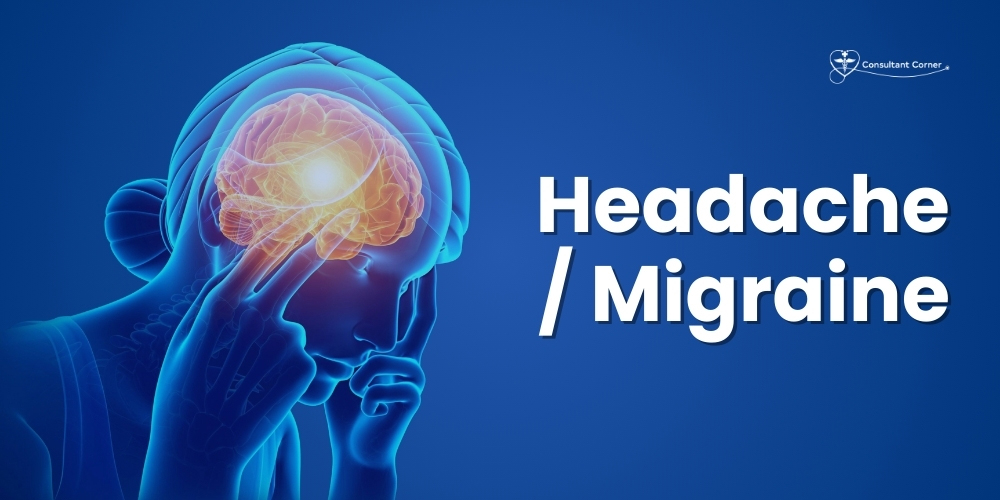
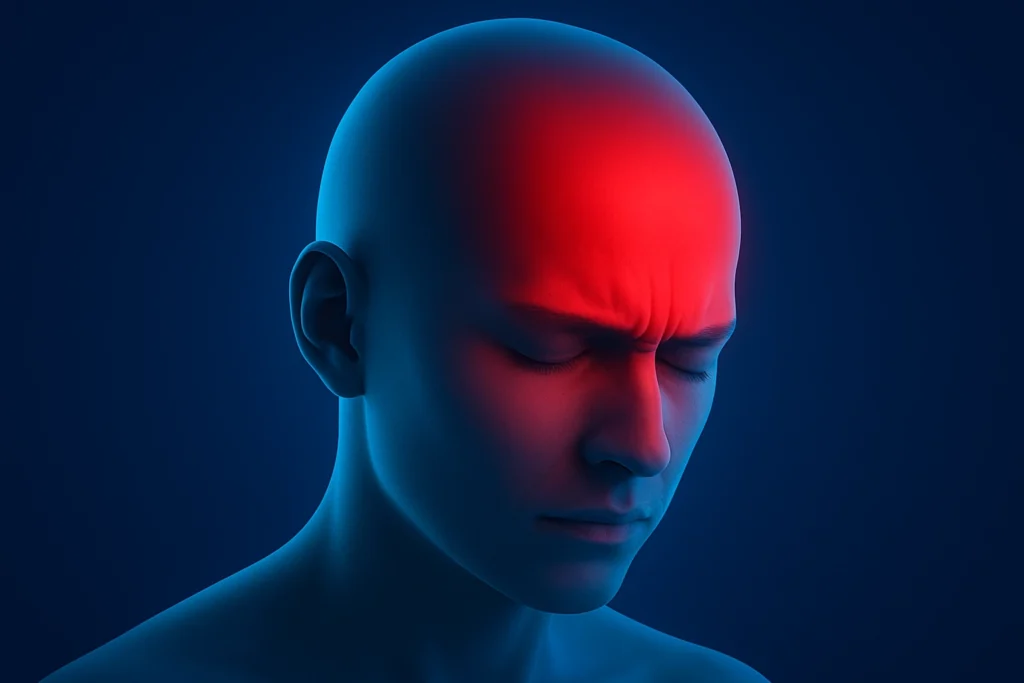
A headache is pain or discomfort that occurs in any part of the head, including the face, scalp, or upper neck. It is one of the most common physical complaints and can range from mild to severe in intensity. Headaches can be classified as primary, meaning they are not caused by another medical condition (such as tension headaches, migraines, or cluster headaches), or secondary, meaning they result from an underlying medical issue such as injury, infection, or other diseases.
The pain in a headache comes from irritation or dysfunction of pain-sensitive structures around the skull, including muscles, nerves, blood vessels, and tissues. The brain itself does not have pain receptors. Headaches can feel like throbbing, pressure, tightness, or sharp pain, and symptoms may vary depending on the type of headache. Most headaches are not signs of serious illness, but severe, persistent, or unusual headaches warrant medical evaluation.
What are the types of headaches?
Headaches are generally classified into two main types: primary and secondary headaches.
Primary Headaches
Primary headaches are disorders themselves without an underlying cause. They arise from dysfunction or overactivity of pain-sensitive structures in the head. Major types include:
- Migraine: Characterized by moderate-to-severe throbbing pain, often with nausea, sensitivity to light/sound, and sometimes preceded by aura.
- Tension-type headaches: The most common type, presenting as a bilateral, pressing, or tightening pain often related to muscle tension, stress, or fatigue.
- Trigeminal autonomic cephalalgias (TACs): Includes cluster headaches, paroxysmal hemicrania, and SUNCT syndrome, usually unilateral with autonomic symptoms like tearing or nasal congestion.
- Other primary headaches: Include less common types such as hypnic headaches (which wake people from sleep), primary stabbing headaches (“ice pick headaches”), cough headaches, and exercise headaches.
Some primary headaches are set off by certain habits or circumstances, including :
- Alcohol, particularly red wine.
- Certain foods, like processed meats with nitrate preservatives.
- Nicotine exposure.
- Too little sleep or disrupted sleep patterns.
- Poor posture.
- Strenuous activity or heavy exercise.
- Missing meals or long gaps between eating.
- Straining actions, such as coughing, sneezing, forceful nose blowing, bearing down (e.g., during a bowel movement), or intense laughing/crying.
Primary headaches constitute over 90% of headache cases seen in clinical practice.
Secondary Headaches
Secondary headaches are caused by an underlying medical condition or disorder. Causes include:
- Trauma or injury to the head or neck
- Vascular disorders (e.g., stroke, aneurysm)
- Intracranial infections (e.g., meningitis)
- Substance use or withdrawal (e.g., medication-overuse headache)
- Disorders of homeostasis (e.g., hypertension)
- Disorders of the head or neck structures (e.g., sinus infection, dental problems)
- Psychiatric disorders
Secondary headaches can be life-threatening and require identifying the underlying cause for proper treatment.
Summary Table of Headache Types
Headache Type | Description | Example Subtypes |
Primary Headaches | No underlying cause; disorder itself | Migraine, Tension-type, Cluster, Hypnic, Ice-pick |
Secondary Headaches | Due to another medical condition | Trauma-related, Vascular, Infection, Medication-overuse |
This classification is crucial for diagnosis and treatment decision-making, given the vast diversity in headache causes and presentations.
What’s the difference between a headache and a migraine?
Headaches affect nearly everyone, with about 90% of people experiencing them at some point, while migraines affect approximately 12% of the global population, disproportionately impacting women and young to middle-aged adults. The primary difference between a headache and a migraine lies in the severity, symptoms, and impact on daily life.
A headache generally refers to any pain or discomfort in the head or upper neck area. It usually involves mild to moderate, steady, pressing, or tightening pain often felt on both sides of the head. Most headaches, such as tension-type headaches, do not include additional symptoms and rarely cause significant disruption to daily activities.
A migraine is a neurological disorder characterized by recurrent episodes of moderate to severe throbbing or pulsating pain, primarily on one side of the head. Migraines are accompanied by symptoms like nausea, vomiting, and increased sensitivity to light, sound, or smell. An aura, including visual or sensory disturbances, may also precede them. Migraines typically last 4 to 72 hours and can severely affect daily functioning.
Key Differences:
Feature | Headache | Migraine |
Pain Type | Dull, pressing, or tightening | Throbbing or pulsating |
Pain Location | Usually, both sides of the head | Often, one side of the head |
Associated Symptoms | Generally none | Nausea, vomiting, aura, sensitivity to light/sound |
Duration | Minutes to hours | 4 to 72 hours or longer |
Impact on Daily Life | Usually mild, occasional disruption | Often severe, with significant disruption |
Migraines tend to be more complex and debilitating than common headaches, requiring specific treatment approaches.
What is the main cause of a headache?
The main causes of headaches vary depending on the type but generally involve irritation or dysfunction of pain-sensitive structures in the head, such as nerves, blood vessels, muscles, or chemical activity in the brain.
Common Causes of Headaches
- Tension headaches: Caused primarily by muscle tightening in the head and neck due to stress, fatigue, poor posture, or anxiety.
- Migraine headaches: Triggered by a combination of genetic predisposition and environmental factors such as stress, hormonal changes, certain foods (e.g., processed meats, chocolate, alcohol), changes in sleep patterns, sensory stimuli (bright lights, strong smells), and caffeine withdrawal.
- Lifestyle factors: Include alcohol consumption (especially red wine), skipped meals, dehydration, lack of or irregular sleep, and excessive screen time.
- Secondary causes: Underlying medical conditions such as sinus infections, eye strain, dental problems, ear infections, head injury, medication side effects, or severe illnesses like meningitis and hypertension.
Most headaches are primary, caused by overactivity or problems with pain-sensitive structures rather than a serious underlying disease, though secondary headaches can indicate an emergency when related to infections, trauma, or vascular problems
Are migraines and other headaches hereditary?
Yes, headaches—particularly certain types like migraines and cluster headaches—can be hereditary. Genetic factors often contribute to the susceptibility to these headaches, combined with environmental influences.
Hereditary Factors in Headaches:
- Migraines: Up to 60-80% of the risk for migraines is estimated to be genetic. Migraines tend to run in families, with many people having a first-degree relative (parent or sibling) who also experiences migraines. Certain gene mutations and family patterns suggest that genetics play a major role in migraine susceptibility.
- Cluster headaches: These are also considered inherited in a subset of patients. Studies show familial cluster headache rates ranging from 0% to 22%, with various inheritance patterns including autosomal dominant and recessive. Multiple genes and environmental factors, like tobacco exposure, contribute to this condition.
- Tension-type headaches: These are less clearly linked to genetics due to their high prevalence and multiple contributing factors, but some evidence from twin and family studies suggests a possible genetic component.
What headache symptoms require immediate medical care?
Headache symptoms that require immediate medical care include:
- Sudden, severe headache described as the “worst headache ever” or a “thunderclap headache” that reaches maximum intensity within seconds to minutes. This can indicate a brain bleed or aneurysm.
- Headache with neurological symptoms such as confusion, difficulty speaking, numbness or weakness on one side of the body, vision changes (blurred, double vision), dizziness, seizures, or loss of balance. These may signal stroke or serious brain issues.
- A headache accompanied by fever and stiff neck which can indicate meningitis or other infections in the brain’s protective layers.
- A headache occurring after a head injury or trauma could suggest a concussion or internal bleeding.
- Headache that worsens over time or does not go away, especially if it is new or changes in pattern.
- Severe headache with eye pain and redness, suggesting eye conditions like glaucoma.
- Headache starting after age 50, or headaches in people with immune suppression (e.g., HIV, cancer).
- Headache that worsens with coughing, sneezing, or straining, or changes with position.
- Headache with symptoms such as sudden weight loss, night sweats, or systemic illness signs.
In any of these situations, urgent medical evaluation is essential to rule out life-threatening conditions and initiate appropriate treatment. If these symptoms occur suddenly or worsen rapidly, call emergency services immediately rather than trying to drive.
Headache Diagnosis, Treatment & Prevention
Headache Diagnosis
Headache diagnosis typically starts with a detailed medical history and neurological examination to understand the headache’s characteristics, onset, frequency, intensity, and associated symptoms. Physicians check for any underlying medical conditions that could be causing the headache.
Diagnostic tests may include:
Magnetic Resonance Imaging (MRI): Provides detailed images of the brain and blood vessels to detect tumors, strokes, aneurysms, or other abnormalities.
Computed Tomography (CT) Scan: Helpful to detect brain bleeding, tumors, or sinus infections.
Lumbar Puncture: Analyzes cerebrospinal fluid to diagnose infections, inflammation, or bleeding around the brain.
Magnetic Resonance Angiogram (MRA): Examines blood flow in brain arteries and veins to identify problems like aneurysms.
Neurological exams assess mental status, motor skills, reflexes, vision, and cranial nerve function to rule out serious causes.
Headache Treatment
Treatment varies depending on the headache type—primary (e.g., migraine, tension headache, cluster headache) or secondary (caused by another medical condition). Treatments include:
Medications: Pain relief drugs such as NSAIDs, acetaminophen, triptans (for migraines), preventive medications (beta-blockers, antidepressants, antiepileptics).
Lifestyle changes: Managing stress, hydration, regular sleep patterns, and avoiding headache triggers.
Therapies: Physical therapy, biofeedback, nerve blocks, and alternative approaches like acupuncture may help some patients.
Treating underlying causes if identified (e.g., infections or vascular problems).
Headache Prevention
Preventive strategies involve:
Identifying and avoiding headache triggers like certain foods, alcohol, or stress.
Maintaining consistent sleep, hydration, and regular exercise.
Managing stress through relaxation techniques or cognitive behavioral therapy.
Using preventative medications as prescribed for frequent or severe headaches.
Overall, proper diagnosis through history, exam, and imaging guides effective treatment and prevention plans to reduce headache frequency and severity.
Headache Evaluation: What to Expect and How It’s Diagnosed
When undergoing a headache evaluation, a healthcare provider will take a structured approach to determine the cause and nature of the headache, ruling out serious conditions and guiding treatment.
Medical History
The evaluation begins with a comprehensive medical history focusing on:
Age at headache onset, frequency, and duration of episodes.
Headache characteristics: location, intensity, quality (e.g., pulsating), and triggers.
Associated symptoms such as nausea, vomiting, sensitivity to light or sound (photophobia, phonophobia), visual changes, or aura.
Impact of activities on headache (e.g., aggravation by physical movement).
Medication history and any prior treatments.
Family history of headaches or neurological disorders.
Physical and Neurological Examination
A full physical exam including vital signs (blood pressure, temperature) and a detailed neurological exam are performed to assess:
Mental status, cranial nerve function, motor strength, reflexes, coordination, gait, and sensory functions.
Inspection for signs like papilledema (swelling of optic nerve), neck stiffness, or tenderness in head and neck regions.
Eye examination including pupil response and visual fields.
Examination of the ears, nose, and throat to check for infections or abnormalities.
Red Flags and Additional Testing
Clinicians look for ‘red flags’ that suggest secondary headaches caused by serious underlying issues such as tumors, infections, or vascular problems. These include:
Sudden, severe “thunderclap” headaches.
Headaches with neurological deficits (weakness, numbness).
Headaches worsening over time or occurring after age 50.
Systemic symptoms like fever or weight loss.
If red flags are present or diagnosis is unclear, further testing may include:
Neuroimaging (MRI or CT scan) to detect tumors, bleeding, or structural issues.
Lumbar puncture for cerebrospinal fluid analysis if infection or bleeding is suspected.
Blood tests for inflammatory markers if temporal arteritis or other systemic disease is suspected.
Diagnosis
By synthesizing the history, exam findings, and test results, clinicians can determine whether the headache is primary (e.g., migraine, tension-type, cluster) or secondary (due to other medical causes). Referral to headache specialists may occur for complicated or treatment-resistant cases.
This structured evaluation helps to target appropriate treatment and management strategies for headache relief and prevention.
A Note from My Consultant Corner
If headaches are disrupting your day or affecting your mood, reach out. The most valuable part of your diagnosis is your story—what you feel, when it happens, and what seems to set it off. Jotting notes during or after a headache (pain type, duration, triggers, meds used, relief) gives us the clarity to identify your headache type and tailor a plan that actually helps.
Bring as much detail as you can to your visit (even a simple phone note or journal). The richer the picture, the more precise your diagnosis—and the faster we can get you feeling better.
Telehealth Headache Care — Easy, Wherever You Are
Serving: Illinois • Bloomington • Virginia
Skip the waiting room. Our secure telehealth visits make it simple to manage headaches from home, work, or on the go.
What We Do (Virtual Services)
- Comprehensive Headache Evaluation: History review, pattern analysis, red-flag screening.
- Personalized Treatment Plans: Acute and preventive strategies matched to your triggers and lifestyle.
- Medication Guidance: Safe use of OTC meds; options for prescription abortive and preventive therapies.
- Trigger & Lifestyle Coaching: Sleep, stress, posture, hydration, caffeine, nutrition.
- Headache Diary Setup: Simple templates and tips to track symptoms effectively.
- Care Coordination: Referrals for in-person imaging or specialty care if needed.
Why Patients Choose Us
- Convenient access (phone, tablet, or computer)
- Flexible scheduling for busy days
- Clear, actionable plans you can follow immediately
- Follow-ups to refine your treatment as patterns change
Get Started
- Book a telehealth visit (Illinois, Bloomington, or Virginia).
- Bring your notes (or we’ll help you start a quick headache log).
- Leave with a plan—tailored treatment and next steps.