Can cervical radiculopathy cause headaches?
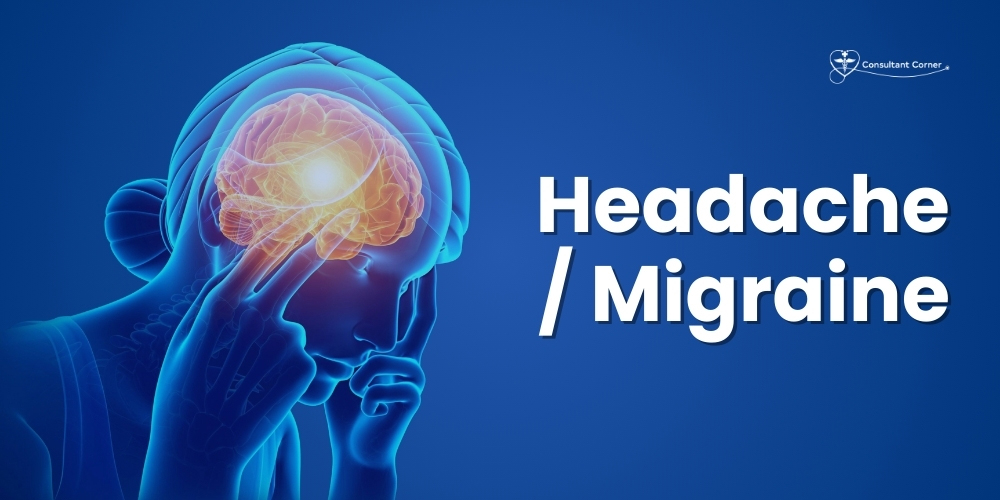
Yes. Cervical radiculopathy can be associated with headaches, often called cervicogenic headaches when the pain is referred from the neck into the head.
How it causes headaches?
When a nerve root in the cervical spine is compressed or irritated (from a disc herniation, arthritis, or foraminal narrowing), pain signals can travel along the nerve’s pathway and be perceived in the head as a headache. This is especially recognized with involvement of the upper cervical levels (roughly C1–C4), which share connections with nerves that supply sensation to parts of the head and face.
Typical headache features
Headaches linked to cervical radiculopathy or other neck pathology often:
Start in the back of the neck or base of the skull and radiate upward into the head.
Are more on one side, usually the same side as the neck and arm symptoms.
May be accompanied by neck pain, reduced neck motion, and arm pain, tingling, or weakness
When to seek evaluation?
Red flags that should prompt prompt medical evaluation include:
New or worsening severe headache, especially with neurological symptoms (weakness, trouble speaking, vision changes, balance problems, confusion).
Headache after trauma, fever or stiff neck, or a sudden “worst headache of life.”
Common Symptoms of Cervicogenic Headaches in Cervical Radiculopathy
If you’re experiencing any of the following symptoms, your headaches may be originating from your cervical spine rather than the head itself:
Pain that begins at the base of the skull or back of the neck and then radiates upward
Head pain on one side, often matching the side of neck or arm discomfort
Neck stiffness or reduced ability to turn or move the neck
Arm pain, tingling, numbness, or weakness, especially when a cervical nerve root is irritated
Pain that worsens with neck movement, posture, or prolonged positioning
These features help distinguish cervicogenic headaches from migraines, tension headaches, or sinus-related headaches, which typically have different patterns.
When to Seek Medical Evaluation
Headaches linked to cervical issues are often treatable, but certain warning signs mean you should seek medical evaluation promptly. Get checked if you experience:
A sudden, severe headache unlike any you’ve had before
Headache accompanied by weakness, vision changes, speech difficulty, or balance problems
Headache with fever, neck stiffness, or occurring after an injury or accident
Persistent headaches that do not improve with rest or common medications
Neck pain that radiates into the shoulder, arm, or hand
Many people delay seeking care until symptoms worsen, but early evaluation helps pinpoint the cause and leads to more effective treatment.
Treatment Options for Cervical Radiculopathy–Related Headaches
Individuals experiencing headaches linked to cervical radiculopathy may benefit from several treatment approaches designed to reduce nerve irritation, improve mobility, and relieve pain.
1. Physical Therapy
Targeted exercises can help improve posture, strengthen cervical muscles, and reduce pressure on irritated nerves.
2. Posture Correction & Ergonomics
Adjusting daily posture and optimizing work or home ergonomics are essential, especially for people who sit for long periods or engage in repetitive neck movements.
3. Medications
Anti-inflammatory drugs, muscle relaxants, or neuropathic pain medications may be used to manage pain and decrease nerve irritation.
4. Interventional Procedures
For more persistent or severe symptoms, options such as nerve blocks or epidural steroid injections may provide relief and reduce inflammation around the affected cervical nerve root.
5. Telehealth Support
Many individuals now choose virtual consultations for convenience, follow-up care, and faster access to healthcare guidance, especially when managing chronic neck or nerve-related symptoms.
How to differentiate cervicogenic headache from migraine?
Cervicogenic headache and migraine can look similar, but they differ in what triggers them, associated neck findings, and classic migraine features.
Key clinical differences
Cervicogenic headache usually starts in the neck or back of the head and is clearly linked to neck movement, sustained posture, or pressure over specific cervical/occipital areas; the neck is often stiff and tender, with reduced range of motion.
Migraine usually starts in the head (often in the frontotemporal region or around one eye), are not consistently triggered by neck movement, and often have a pulsating or throbbing quality.
Laterality and pain quality
- Cervicogenic headache is typically one‑sided, on the same side as neck or shoulder/arm pain, and the pain is often steady, non‑throbbing, and can radiate from the neck upward in a “ram’s horn” pattern.
- Migraine is also commonly one‑sided but may switch sides between attacks and is classically throbbing, moderate to severe, and worsened by routine physical activity.
Neurologic and sensory symptoms
Cervicogenic headache usually lacks migraine aura, prominent nausea, or strong light and sound sensitivity; when these occur, they are typically milder and secondary to pain rather than defining features.
Migraine often includes nausea, vomiting, photophobia, and phonophobia, and some patients have aura (visual or sensory disturbances such as flashing lights, zigzags, or numbness) developing before or with the headache.
Physical exam and diagnostic clues
In cervicogenic headache, examination often shows a reproducible pattern of cervical musculoskeletal impairment: reduced neck movement, painful or stiff upper cervical joints, and muscle dysfunction; symptoms may be provoked by neck tests or pressure on facet joint/occipital regions, and may improve with diagnostic cervical nerve or joint blocks.
In migraine, the neck exam may be normal or show only nonspecific tenderness; diagnosis is clinical, using headache history that meets International Classification of Headache Disorders criteria (recurrent attacks, duration 4–72 hours, pulsating quality, associated nausea or photophobia/phonophobia, etc.).
Practical table: cervicogenic vs migraine
| Feature | Cervicogenic headache | Migraine headache |
|---|---|---|
| Primary source | Neck (joints, discs, soft tissues) | Primary brain-based disorder |
| Onset/location | Begins in neck/occiput, spreads to head | Begins in head (often frontotemporal/periorbital) |
| Triggered by | Neck movement, posture, or palpation | Stress, hormones, certain foods, sleep, stimuli |
| Pain quality | Steady, dull, non‑throbbing usually | Pulsating/throbbing common |
| Associated neck signs | Marked stiffness, reduced ROM, focal tenderness | Neck may feel tight but exam often nonspecific |
| Aura | Absent | Often present in migraine with aura |
| Nausea/photophobia | Uncommon or mild | Common and often prominent |
| Diagnostic confirmation | Response to cervical blocks/targeted PT | Clinical criteria; no specific physical trigger |
If your headaches change with neck movement, posture, or pressure and you have clear neck symptoms, that favors a cervicogenic component, whereas prominent nausea, light/sound sensitivity, and aura favor migraine; in practice, both can coexist, so a neurologist or headache/spine specialist should evaluate persistent or disabling headaches to sort out the main driver and guide treatment.
Why Bloomington, IL Residents Choose MyConsultantCorner for Telehealth Evaluation
When neck pain and persistent headaches interfere with daily life, accessing the right specialist quickly is essential. MyConsultantCorner offers telehealth services to patients throughout Bloomington, Illinois, making expert care more convenient than ever.
Bloomington patients trust MyConsultantCorner because we offer:
Accurate evaluation of cervical radiculopathy and cervicogenic headaches
Video consultations that fit your schedule
Personalized treatment recommendations based on your symptoms and lifestyle
Guidance on home-based exercises and ergonomic improvements
Support from experienced healthcare consultants who understand spine-related pain
Whether your goal is to reduce headaches, improve neck function, or understand your diagnosis better, MyConsultantCorner provides accessible, expert-driven telehealth care right here in Bloomington, IL.