
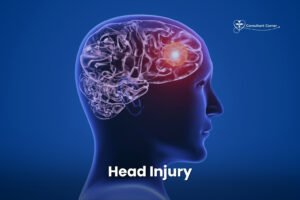
What is a Head Injury?
🧠 Head Injury Evaluation & Expert Neurology CareHad a Head Injury? Don’t Take Chances.A head injury can seem minor at first, but symptoms often develop hours—or even days—later. If you’ve had a fall, accident, or any blow to the head, it’s important to get checked by a specialist. At Consultant
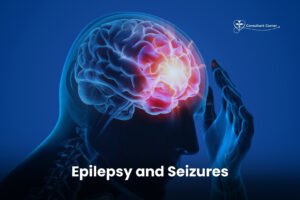
What is Epilepsy?
⚡ Epilepsy & Seizure Disorders – Expert Evaluation & Treatment Experiencing Seizures or Sudden Episodes? We Can Help. Epilepsy can be frightening, unpredictable, and disruptive — whether it causes brief “blank” moments, sudden jerking movements, or full seizures. If you’ve had even one unexplained seizure, it’s important to get evaluated by a neurology
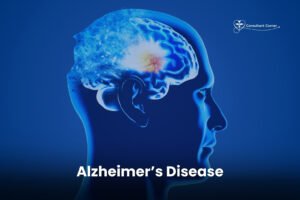
Alzheimer’s Disease
🧠 Alzheimer’s Disease & Memory Loss – Early Action Can Change Everything 🔵 Is Forgetfulness Starting to Impact Daily Life?Memory loss can be overwhelming — especially when it begins affecting conversations, appointments, familiar places, or personal routines.What feels like “normal aging” may actually be an early sign of Alzheimer’s disease, Mild Cognitive Impairment
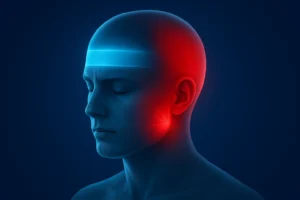
Types of Headaches Explained: Causes, Symptoms, and Duration
Types of Headaches Explained: Causes, Symptoms, and Duration Understanding the different types of headaches can help you identify what you’re experiencing and when to seek medical help. Headaches are broadly classified into primary headaches (not caused by another condition) and secondary headaches (caused by underlying health issues). Primary Headaches These
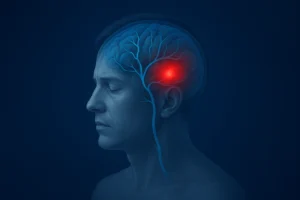

Sore Back and Dizziness | Telehealth Neurologist in Bloomington
Why Do I Have a Sore Back and Dizziness at the Same Time? Experiencing back soreness with dizziness can be unsettling. These symptoms often occur together due to problems in the spine, muscles, posture, or nervous system. In some cases, they may even signal an underlying neurological or vascular condition.