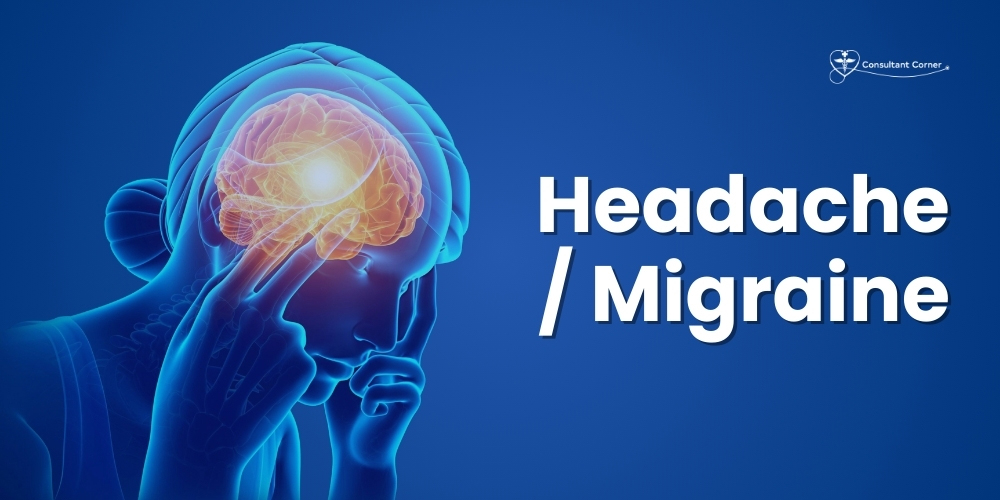
Headaches can feel random. One day you’re fine, and the next, you’re dealing with a throbbing pain that disrupts your entire routine. But what if your body is trying to tell you something simple—yet often ignored?
A dehydration migraine is more common than most people realize. Even mild dehydration can affect how your brain functions, triggering headaches or worsening existing migraines. Many people treat the pain but overlook the root cause: not enough water.
This isn’t just about feeling thirsty. Your brain depends on proper hydration to maintain blood flow, oxygen delivery, and nerve function. When those systems are disrupted, pain can follow.
Understanding whether your headache is linked to dehydration can help you take the right steps quickly, and prevent it from happening again
What Is a Dehydration Migraine?
A dehydration migraine occurs when insufficient fluid levels in your body trigger or worsen migraine symptoms.
Unlike a typical headache, migraines involve complex neurological changes. When dehydration is involved, it can act as a trigger, making the brain more sensitive to pain signals.
What makes it different?
- It may start as a dull headache and become more intense
- Often worsens with movement or activity
- Can be accompanied by:
- Fatigue
- Dizziness
- Light sensitivity
- Brain fog
For people already prone to migraines, dehydration doesn’t just cause discomfort—it can lower the threshold for an attack.
This means even slight fluid imbalance can trigger a full migraine episode.
How Dehydration Triggers Headaches?
Your brain is highly sensitive to changes in fluid balance. When your body becomes dehydrated, several processes begin to affect how your brain functions.
1. Reduced Blood Volume
Dehydration lowers the total volume of blood in your body.
This leads to:
- Less oxygen delivery to the brain
- Reduced nutrient supply
- Increased strain on blood vessels
The brain reacts to this imbalance by sending pain signals.
2. Brain Tissue Contraction
When fluid levels drop, the brain can temporarily shrink or contract slightly.
This creates tension between the brain and surrounding membranes, which can trigger pain receptors.
This is one of the key reasons dehydration headaches feel tight or pressure-like.
3. Electrolyte Imbalance
Fluids in your body carry essential minerals like:
These electrolytes help regulate:
- Nerve signaling
- Muscle function
- Brain communication
When they are out of balance:
Nerve signals become unstable → increasing headache and migraine risk
4. Increased Sensitivity in Migraine Patients
If you already experience migraines, your brain is more sensitive to changes.
Dehydration can:
- Lower your migraine threshold
- Increase frequency
- Intensify symptoms
Key takeaway:
This is not just “lack of water”it’s a neurological response to imbalance.
If your headaches keep coming back, hydration alone may not be enough—your brain may need medical evaluation.
Signs Your Headache Is Water-Related
Not every headache is caused by dehydration, but your body often gives clear signals when hydration is the issue.
Recognizing these signs early can help you prevent a mild headache from turning into a full migraine.
Common Signs of a Dehydration Migraine
- Thirst (but not always obvious)
You might assume you’d feel extremely thirsty, but mild dehydration often shows up subtly.
By the time you feel a strong thirst, your body is already dehydrated.
- Dry mouth, lips, or eyes
A lack of fluids reduces saliva and moisture levels in the body.
You may notice:
- Sticky or dry mouth
- Cracked lips
- Eye discomfort or dryness
These are early hydration warning signs.
- Dark yellow urine
This is one of the most reliable indicators.
- Light yellow → well hydrated
- Dark yellow → dehydration
If your headache comes with darker urine, hydration is likely a factor.
- Dizziness or lightheadedness
Reduced blood volume affects circulation, especially to the brain.
This can cause:
- Feeling faint
- Sudden dizziness when standing
- General instability
- Fatigue and brain fog
Dehydration impacts cognitive performance.
You may feel:
- Slower thinking
- Difficulty concentrating
- Low energy
Many people confuse this with stress or lack of sleep.
- Headache that improves after drinking fluids
This is one of the clearest indicators.
If your headache:
- Reduces within 30–60 minutes after hydration
It’s very likely dehydration-related.
Important Insight
A dehydration migraine often builds gradually, unlike sudden migraines triggered by other causes.
That slow onset is a key clue.
Dehydration Headache vs Migraine (Key Differences)
Many people struggle to tell the difference between a simple dehydration headache and a migraine.
Here’s a clear comparison:
Self-Test — Is Your Headache Due to Dehydration?
You don’t always need immediate medical testing. A simple self-check can help identify if dehydration is the cause.
Quick Self-Assessment
Ask yourself:
- Have I had enough water today?
- Am I feeling tired or mentally slow?
- Is my urine darker than usual?
- Did this headache come on gradually?
- Have I been in heat or active recently?
If you answer “yes” to several, dehydration is likely.
The Hydration Test
Try this:
- Drink 1–2 glasses of water (or electrolyte drink)
- Rest for 20–30 minutes
- Observe changes
What Results Mean
- Headache improves → dehydration-related
- No change → possible migraine or other cause
- Worsens → may need medical evaluation
Important
This is not a diagnosis—but a guideline for awareness.
How to Get Rid of a Dehydration Migraine
If dehydration is the cause, early action can significantly reduce symptoms.
Step 1: Rehydrate Properly
- Drink water slowly (not all at once)
- Aim for 250–500 ml initially
Rapid intake may not be absorbed efficiently.
Step 2: Restore Electrolytes
Use:
- Oral rehydration solutions
- Coconut water
- Electrolyte drinks
Especially important if:
- You’ve been sweating
- You feel weak or dizzy
Step 3: Rest Your Brain
- Reduce screen exposure
- Avoid bright lights
- Sit or lie down
Your brain needs recovery time.
Step 4: Pain Relief (If Needed)
If symptoms persist:
- Over-the-counter medications may help
But:
Don’t rely on medication alone address hydration.
Recovery Time
- Mild dehydration → improves within 1–2 hours
- Moderate → may take several hours
Prevention Strategies
Preventing dehydration migraines is often simple—but consistency matters.
Daily Hydration
General guideline:
- 2–3 liters per day (varies by individual)
Increase if:
- Hot climate
- Physically active
Balance Electrolytes
Include:
- Fruits (bananas, oranges)
- Vegetables
- Lightly salted foods
Don’t Wait Until You’re Thirsty
Thirst is a late signal.
Drink regularly throughout the day.
Adjust for Environment
- Heat increases fluid loss
- Air conditioning can dry you out
Migraine-Specific Tip
If you’re migraine-prone:
Even mild dehydration can trigger attacks
So hydration should be preventive, not reactive.
When Should You See a Doctor?
Not all headaches should be managed at home.
Seek medical help if:
- Headaches are frequent or worsening
- Pain is severe or sudden
- You have:
- Vision changes
- Confusion
- Numbness
- Hydration does not improve symptoms
Why It Matters
Recurring dehydration migraines may indicate:
- Chronic migraine condition
- Underlying neurological sensitivity
Final Thought
Headaches are often dismissed as minor, but your body rarely sends signals without a reason.
A dehydration migraine is your brain’s way of telling you that something is off balance. Ignoring it may not only prolong the pain but also increase the risk of recurring episodes.
The good news is that hydration is one of the most preventable migraine triggers, when addressed early.
But if your headaches keep coming back, worsen over time, or don’t improve with hydration, it may be more than just water your brain needs.