

Understanding Headaches
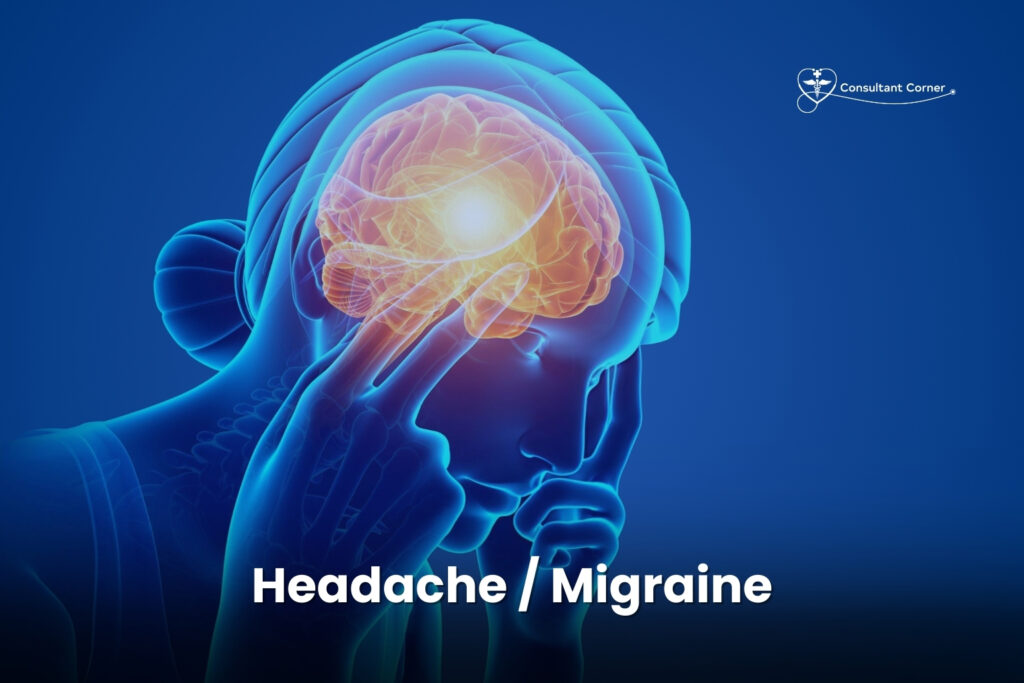
Headache & Migraine – Expert Evaluation & Relief Headaches Taking Over Your Life? We Can Help. Frequent headaches or migraines aren’t “just stress” — they can deeply affect your work, sleep, mood, and daily life. Whether the pain is dull, sharp, throbbing, or one-sided, you deserve answers and relief. At Consultant Corner, we evaluate all types of headaches and help you get back to feeling like yourself again. ⚠️ When Headaches Become a Problem Everyone gets headaches. But certain patterns mean something deeper may be going on. You may need a specialist if you experience: • Pain that returns weekly or daily • Throbbing headaches with nausea or light sensitivity • Headaches that worsen with activity or stress • Pressure or tightness around the forehead or temples • Headaches that disrupt sleep or work • Pain around one eye with tearing or redness • Headaches after a head injury If headaches are affecting your quality of life — even a little — there is a reason. And there is treatment. 🔍 Common Headache Types We Treat Tension Headaches A constant pressure or “tight band” around the head, often linked to stress, posture, or muscle tension. Migraines Severe, pulsating pain often with nausea, vomiting, light sensitivity, sound sensitivity, or vision changes (aura). Migraines can last hours to days and significantly limit daily functioning. Cluster Headaches Intense burning or piercing pain around one eye, occurring in sudden, severe bursts. These headaches are rare but extremely painful. Secondary Headaches Headaches caused by underlying problems such as sinus issues, high blood pressure, medication overuse, dehydration, or neurological disorders. You don’t need to know the type — that’s our job. ❗ Why You Shouldn’t Ignore Recurring HeadachesUntreated headaches may be related to: Neurological issues Stress and sleep problems Vision strain High blood pressure Post-concussion effects Medication overuse Chronic migraine syndrome Early evaluation helps determine the root cause and prevents symptoms from becoming chronic. 🏥 Why Patients Choose Consultant Corner We provide comprehensive headache & migraine care designed around your symptoms and lifestyle. ✓ Expert Neurology Evaluation We identify the cause of your headaches — not just the symptoms. ✓ Personalized Treatment Plans From migraine medications and supplements to trigger management, stress reduction, and advanced therapies. ✓ Review of Prior Imaging & Labs We interpret CT/MRI scans, blood work, and previous evaluations to give you a clear understanding of what’s happening. ✓ Management of Chronic or Severe Headaches We treat migraines, post-concussion headaches, tension headaches, cluster headaches, and more. ✓ Same-week appointments available Because living with headache pain is not normal — and you shouldn’t have to wait. 🚨 When You Need Immediate Care Seek emergency attention if your headache is: Sudden and severe (“worst headache of your life”) Followed by confusion, weakness, or vision loss Associated with fever or neck stiffness Occurring after a head injury Accompanied by seizures or fainting If you’re unsure, it’s safest to get evaluated. 📞 Schedule Your Headache or Migraine Evaluation Constant headaches are not something you have to live with. Whether it’s migraines, tension headaches, or unexplained pain, we can help you find answers and long-lasting relief. 👉 Book Your Appointment Today(Call or Request Online)
Sore Back and Dizziness | Telehealth Neurologist in Bloomington
Why Do I Have a Sore Back and Dizziness at the Same Time? Experiencing back soreness with dizziness can be unsettling. These symptoms often occur together due to problems in the spine, muscles, posture, or nervous system. In some cases, they may even signal an underlying neurological or vascular condition. Here’s a detailed look at what might be causing it — and when to seek medical help. Can Cervical Spine Problems Cause Dizziness? Yes. Conditions affecting the cervical spine (neck and upper back)—such as herniated discs, cervical spondylosis (arthritis of the neck), or muscle strain—can interfere with nerves and blood vessels responsible for balance. When these structures are compressed or irritated, it can lead to neck pain, upper back soreness, and dizziness. This condition is sometimes known as cervical vertigo, where neck-related issues trigger balance disturbances or lightheadedness. Can Poor Posture Lead to Dizziness and Back Pain? Absolutely. Spending long hours in poor posture—like slouching or forward head position—strains the muscles in your back and neck. This muscle tension can reduce blood flow to the brain and affect your vestibular system (which controls balance), resulting in both back soreness and dizziness. Modern lifestyles, which often involve computer work, phone use, or prolonged sitting, are common culprits behind this posture-related discomfort. Learn More: Can Bad Posture Cause Headaches Can Problems in the Spine or Neck Cause Dizziness? Yes — spinal and neck issues are among the most common causes of dizziness combined with back pain. When nerves in the neck or upper spine become compressed or irritated, they can interfere with the body’s balance centers in the brain. Conditions such as: Cervical herniated discs Cervical spondylosis (arthritis of the neck) Pinched nerves in the neck or upper back can lead to both neck soreness and dizziness, a condition often called cervicogenic dizziness or cervical vertigo. Can Poor Posture or Muscle Tension Cause Dizziness? Absolutely. Poor posture — especially forward head posture or slouching — puts excessive strain on the neck, shoulder, and upper back muscles. Over time, this muscle tension can compress nerves or reduce blood flow to the brain, resulting in lightheadedness, imbalance, and pain. This is common in people who sit for long hours at computers or look down at phones, and it may cause what’s known as postural or tension-related dizziness. Could Spinal Injuries or Trauma Be the Cause? Yes. Spinal cord injuries, whiplash, or severe back trauma can disrupt nerve signaling and balance mechanisms in the brainstem and inner ear. This can lead to symptoms such as: Back pain or stiffness Vertigo or spinning sensation Loss of coordination or unsteadiness Anyone who experiences dizziness after an accident or fall should seek medical care immediately to rule out spinal cord injury or concussion. How Do Muscle Tension and Nerve Irritation Contribute? When the upper back, neck, or shoulder muscles tighten excessively, they can press on nearby nerves and blood vessels, disrupting circulation and nerve signals. This tension may cause a combination of headaches, dizziness, muscle stiffness, and soreness. Chronic stress, lack of movement, or repetitive strain often worsen these symptoms. Can Whiplash or Spine Injuries Cause Dizziness? Yes. Traumatic injuries—such as whiplash from a car accident or sports injuries—can strain or damage neck muscles, ligaments, and spinal structures. These injuries may alter how your brain processes signals from your neck and inner ear, leading to pain, dizziness, and imbalance. Post-traumatic dizziness can persist for weeks or months if untreated. What Other Conditions Can Cause Dizziness with Back Pain? Some systemic or musculoskeletal conditions can also cause dizziness and back soreness, including: Osteoarthritis or sciatica Fibromyalgia Pregnancy (due to posture changes and circulation shifts) Dehydration or low blood sugar Vascular disorders affecting blood flow Since these symptoms can overlap with those of many conditions, accurate diagnosis is crucial. How Is Dizziness with Back Pain Treated? Treatment depends on the underlying cause but may include: Posture correction and ergonomic adjustments Physical therapy to strengthen neck and back muscles Stretching and muscle relaxation techniques Pain relievers or muscle relaxants (if prescribed) Vestibular rehabilitation for dizziness related to balance disorders If your dizziness is severe, persistent, or accompanied by numbness, vision problems, or difficulty walking, seek urgent medical attention. These could indicate a neurological or vascular emergency. What Symptoms Should I Watch For? Along with back pain, dizziness may appear as: Lightheadedness or faintness Feeling “off-balance” or unsteady Spinning sensation (vertigo) Blurred vision or disorientation Difficulty maintaining coordination If these symptoms are persistent, severe, or worsening, or if they occur with numbness, weakness, or vision changes, urgent medical evaluation is necessary. Such signs could indicate stroke, nerve compression, or vascular problems. When Should I See a Doctor? You should contact a healthcare provider or neurologist if you experience: Recurrent or worsening dizziness Severe neck or upper back pain Unsteadiness or balance loss Headaches, blurred vision, or confusion Recent trauma or whiplash Early evaluation can help identify treatable causes and prevent complications. How Can MyCornerConsultant Help? At MyCorner Consultant, we provide neurologist telehealth consultations for patients experiencing back pain, dizziness, and balance problems in Bloomington and all nearby cities. We specialize in identifying and treating neurological causes, including: Cervical vertigo and balance disorders Headache and migraine Spine-related nerve compression Stroke and vascular issues Traumatic head or neck injuries Through secure telehealth sessions, patients across Bloomington and all nearby cities can access expert neurological care without the need for in-person visits. Take the First Step Toward Relief If you’re struggling with persistent back soreness and dizziness, don’t ignore the signs — they could point to an underlying neurological or spinal condition. Our goal at MyCornerConsultant is to help you understand your symptoms, identify the cause, and create a clear recovery plan — all through accessible, patient-centered telehealth care. Schedule your online neurology consultation today and connect with a trusted Bloomington neurologist dedicated to your brain and spine health.
How Big of a Problem Are Headaches in the U.S
How Big of a Problem Are Headaches in the U.S.? Headaches are one of the most common—and often overlooked—public health issues in America. Affecting millions each year, they significantly impact quality of life, healthcare systems, and workplace productivity. From mild tension headaches to chronic migraines, these conditions remain underdiagnosed and undertreated, despite their growing burden on society. How Many Americans Experience Headaches? Headaches are nearly universal, but recent studies highlight the true scale: Around 78 million Americans experience migraines or severe headaches in their lifetime. Migraines alone affect about 12% of the population, or roughly 38 million people. Tension-type headaches occur in up to 80% of adults, typically linked to stress, fatigue, and posture. The National Headache Foundation reports that 1 in 6 Americans experiences headaches regularly. These figures confirm that headaches affect people of all ages, backgrounds, and lifestyles. How Much Do Headaches Cost the U.S. Economy? Headaches come with a high economic price tag—estimated at over $13 billion annually.This includes: Direct costs: physician visits, diagnostics, and medications Indirect costs: absenteeism, reduced performance, and lost productivity Every year, headaches are responsible for approximately 157 million lost workdays, making them a major driver of workplace inefficiency and absenteeism. How Do Headaches Strain the Healthcare System? Headaches rank among the top 15 reasons for emergency department visits in the United States.Millions of people seek urgent medical care for sudden or severe headaches, concerned about conditions such as stroke or meningitis. Chronic headache sufferers—particularly migraine patients—require frequent consultations, neurological care, and long-term management, driving up overall healthcare utilization and costs. Who Is Most Affected by Headaches? Headaches do not discriminate, but certain groups face a higher risk: Women are three times more likely than men to experience migraines, largely due to hormonal changes. Prevalence peaks between ages 30 and 50, coinciding with high work and family responsibilities. Children and older adults can also experience headaches, though diagnosis and treatment may differ by age. These demographic insights show the importance of tailored headache care across life stages. How Do Headaches Affect Daily Life and Well-Being? For many, headaches are more than just pain—they disrupt daily routines, relationships, and emotional health.Chronic or frequent headaches can lead to: Difficulty focusing or completing work Reduced participation in social or family activities Increased stress, anxiety, and sleep issues Lower overall quality of life Migraine sufferers, in particular, often experience significant disability during attacks, which may last from hours to days. Why Are Headaches a Major Public Health Concern? Headaches—especially migraines and tension-type headaches—affect tens of millions of Americans and cost billions in healthcare and lost productivity.They remain among the top neurological complaints and a major source of preventable disability. Increasing awareness, improving diagnosis, and promoting early management strategies are essential steps toward reducing this hidden but widespread public health burden. Expert Neurology Care — Available Across Bloomington and Beyond At My Corner Consultant, we bring compassionate, evidence-based neurology care directly to your screen — no long drives, no crowded waiting rooms, and no delays in getting answers. Our Bloomington-based neurologist offers trusted telehealth consultations for patients throughout Bloomington and all surrounding cities, ensuring everyone has access to specialized brain and nerve care, wherever they are. We diagnose and manage a wide range of neurological conditions, including: Head Injury & Concussion Management – Comprehensive evaluation and follow-up care. Ischemic Stroke & Post-Stroke Recovery – Expert guidance to prevent recurrence and improve function. Headache & Migraine Disorders – Tailored treatment plans to reduce frequency and intensity. Alzheimer’s Disease & Memory Disorders – Early detection, cognitive assessment, and ongoing support. Parkinson’s Disease & Movement Disorders – Medication management and quality-of-life care. Multiple Sclerosis (MS) – Symptom management and long-term care planning. Epilepsy & Seizures – Diagnosis, medication optimization, and lifestyle support. Intracerebral Hemorrhage & Brain Bleeds – Specialist consultation for recovery and prevention. Wherever you live in Bloomington or nearby areas, expert neurological care is just a video call away.Our goal is to make high-quality neurology accessible, personal, and convenient for every patient — because your brain health deserves nothing less. Telehealth Appointments Available in Bloomington and All Nearby Cities
Can Bad Posture Cause Headaches
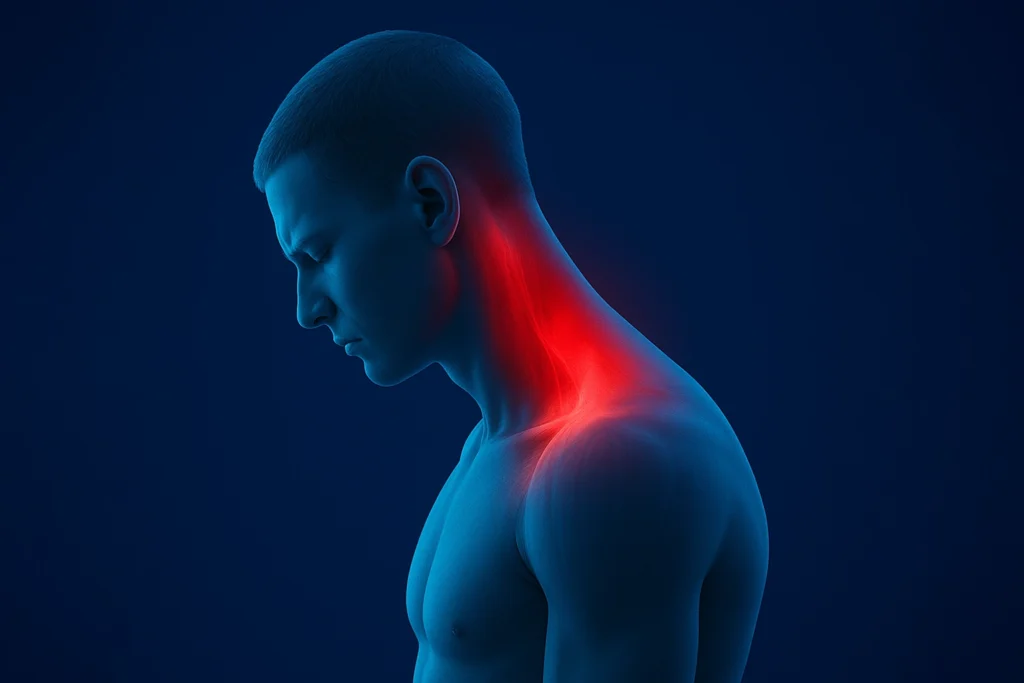
Can Bad Posture Cause Headaches? Yes, bad posture can cause headaches. Poor posture strains muscles in the neck, upper back, and shoulders, causing muscle tightness, spasms, and inflammation. This tension, especially around the base of the skull and neck, can irritate nerves and trigger cervicogenic headaches, which often start in the neck and radiate to the forehead, temples, or behind the eyes. Forward head posture, slumping, or hunching puts extra pressure on the cervical spine, forcing the neck muscles to overwork in support of the head’s weight. This leads to muscle fatigue and joint stress, which contribute to headaches. In addition, bad posture can restrict blood flow and compress nerves, worsening headache symptoms. Also, abnormal posture can alter breathing patterns, further exacerbating headaches. What Are the Symptoms of Bad Posture Headaches? Pain starting at the base of the skull, radiating to the temples, forehead, or behind the eyes Neck pain and stiffness worsen with head or neck movement Muscle tightness or spasms in the upper back and neck Possible tingling or numbness in the arms due to nerve compression Lightheadedness and difficulty concentrating in some cases Poor posture also reduces blood flow and may compress nerves, aggravating headache symptoms. Both slouching and overly rigid upright posture can contribute to creating muscle imbalances or improper breathing patterns. How Does Bad Posture Cause Headaches? Introducing structural imbalances such as forward head posture and a hyperkyphotic thoracic spine Causing muscle tension and spasms, particularly in the neck and upper back muscles Irritating nerve pathways that refer pain to the head, mimicking migraine or tension headaches How Can You Treat or Prevent Bad Posture Headaches? Treatment typically involves improving posture through: Physical therapy and ergonomic adjustments Stretching and strengthening exercises for neck and upper back muscles Correcting spinal alignment and maintaining neutral posture while sitting or standing Taking regular breaks from screens or desks to reduce strain How Poor Posture Contributes to Headaches? Poor posture is a significant contributor to headaches, with research highlighting its impact on neck pain and headache frequency. Forward head posture (FHP), a common form of bad posture, places excessive strain on the cervical spine and associated muscles, leading to cervicogenic headaches—a type of headache originating from the neck. Key Statistics and Research Findings Studies show a moderate negative correlation between forward head posture angle and neck pain intensity (correlation coefficient r = −0.536, p < 0.01). The prevalence of cervicogenic headache among healthcare workers, such as nurses, is approximately 27.1%, with neck disability reported in 31.4% of subjects in one study. Forward head posture increases the odds of headaches by about 4.9% for every 1 cm of head displacement from normal alignment. Around 45.4% of dentists experience cervicogenic headaches, linked to postural abnormalities like upper crossed syndrome. Overall, cervicogenic headaches affect between 0.4% and 42% of the general population, depending on study cohorts and diagnostic criteria. Mechanisms Linking Posture and Headache Development Poor posture-related headaches stem from muscle fatigue, nerve irritation, and joint stress in the cervical region. These headaches often present with neck pain, stiffness, and radiating pain from the neck to the head, and they can mimic tension or migraine headaches. How to Reduce Headaches Caused by Poor Posture Addressing posture through ergonomic interventions, physical therapy, and strengthening exercises for the neck and upper back has been shown to effectively reduce headache frequency and intensity associated with poor posture. Final Insights Bad posture is a well-documented yet under-recognized factor in headache prevalence. It’s strongly associated with neck pain and cervicogenic headaches in both general and occupational populations, emphasizing the need for postural awareness and preventive care. Telehealth Neurology Services in Illinois At MyConsultantCorner, we provide expert telehealth neurology services across Illinois, helping patients receive quality care without the need to travel. Whether you’re dealing with headaches, migraines, dizziness, neuropathy, or other neurological conditions, our board-certified neurologists are here to help through secure, convenient online consultations. We focus on understanding your symptoms, offering personalized treatment plans, and guiding you toward better brain and nerve health—all from the comfort of your home. Book your telehealth neurology appointment in Illinois today and get the professional care you deserve—anytime, anywhere.
What is a headache?
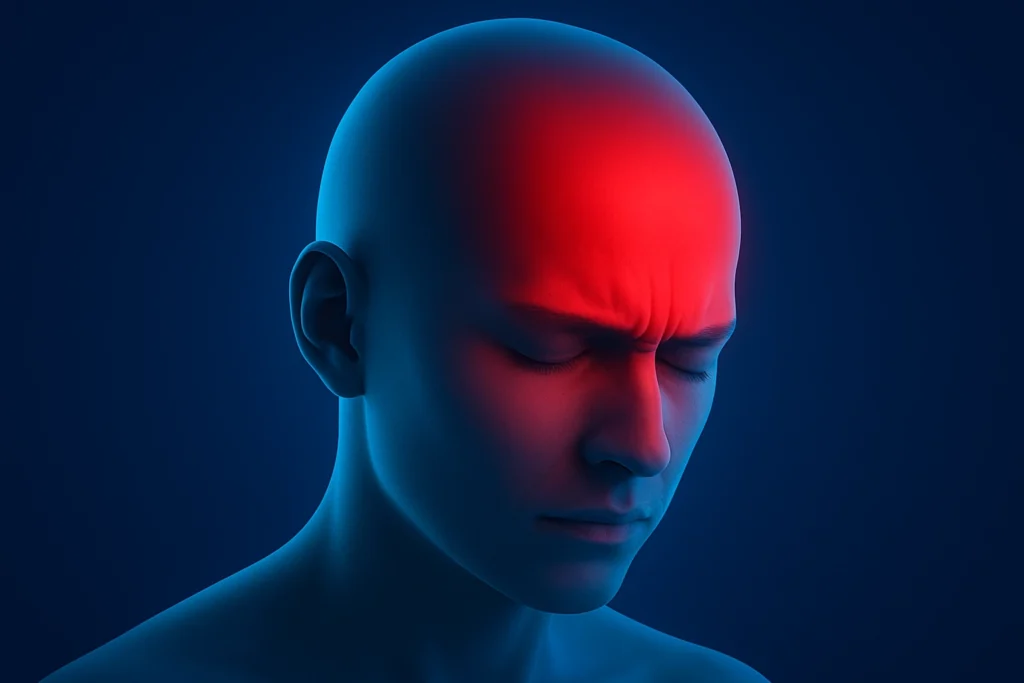
What is a headache? A headache is pain or discomfort that occurs in any part of the head, including the face, scalp, or upper neck. It is one of the most common physical complaints and can range from mild to severe in intensity. Headaches can be classified as primary, meaning they are not caused by another medical condition (such as tension headaches, migraines, or cluster headaches), or secondary, meaning they result from an underlying medical issue such as injury, infection, or other diseases. The pain in a headache comes from irritation or dysfunction of pain-sensitive structures around the skull, including muscles, nerves, blood vessels, and tissues. The brain itself does not have pain receptors. Headaches can feel like throbbing, pressure, tightness, or sharp pain, and symptoms may vary depending on the type of headache. Most headaches are not signs of serious illness, but severe, persistent, or unusual headaches warrant medical evaluation. What are the types of headaches? Headaches are generally classified into two main types: primary and secondary headaches. Primary Headaches Primary headaches are disorders themselves without an underlying cause. They arise from dysfunction or overactivity of pain-sensitive structures in the head. Major types include: Migraine: Characterized by moderate-to-severe throbbing pain, often with nausea, sensitivity to light/sound, and sometimes preceded by aura. Tension-type headaches: The most common type, presenting as a bilateral, pressing, or tightening pain often related to muscle tension, stress, or fatigue. Trigeminal autonomic cephalalgias (TACs): Includes cluster headaches, paroxysmal hemicrania, and SUNCT syndrome, usually unilateral with autonomic symptoms like tearing or nasal congestion. Other primary headaches: Include less common types such as hypnic headaches (which wake people from sleep), primary stabbing headaches (“ice pick headaches”), cough headaches, and exercise headaches. Some primary headaches are set off by certain habits or circumstances, including : Alcohol, particularly red wine. Certain foods, like processed meats with nitrate preservatives. Nicotine exposure. Too little sleep or disrupted sleep patterns. Poor posture. Strenuous activity or heavy exercise. Missing meals or long gaps between eating. Straining actions, such as coughing, sneezing, forceful nose blowing, bearing down (e.g., during a bowel movement), or intense laughing/crying. Primary headaches constitute over 90% of headache cases seen in clinical practice. Secondary Headaches Secondary headaches are caused by an underlying medical condition or disorder. Causes include: Trauma or injury to the head or neck Vascular disorders (e.g., stroke, aneurysm) Intracranial infections (e.g., meningitis) Substance use or withdrawal (e.g., medication-overuse headache) Disorders of homeostasis (e.g., hypertension) Disorders of the head or neck structures (e.g., sinus infection, dental problems) Psychiatric disorders Secondary headaches can be life-threatening and require identifying the underlying cause for proper treatment. Summary Table of Headache Types Headache Type Description Example Subtypes Primary Headaches No underlying cause; disorder itself Migraine, Tension-type, Cluster, Hypnic, Ice-pick Secondary Headaches Due to another medical condition Trauma-related, Vascular, Infection, Medication-overuse This classification is crucial for diagnosis and treatment decision-making, given the vast diversity in headache causes and presentations. What’s the difference between a headache and a migraine? Headaches affect nearly everyone, with about 90% of people experiencing them at some point, while migraines affect approximately 12% of the global population, disproportionately impacting women and young to middle-aged adults. The primary difference between a headache and a migraine lies in the severity, symptoms, and impact on daily life. A headache generally refers to any pain or discomfort in the head or upper neck area. It usually involves mild to moderate, steady, pressing, or tightening pain often felt on both sides of the head. Most headaches, such as tension-type headaches, do not include additional symptoms and rarely cause significant disruption to daily activities. A migraine is a neurological disorder characterized by recurrent episodes of moderate to severe throbbing or pulsating pain, primarily on one side of the head. Migraines are accompanied by symptoms like nausea, vomiting, and increased sensitivity to light, sound, or smell. An aura, including visual or sensory disturbances, may also precede them. Migraines typically last 4 to 72 hours and can severely affect daily functioning. Key Differences: Feature Headache Migraine Pain Type Dull, pressing, or tightening Throbbing or pulsating Pain Location Usually, both sides of the head Often, one side of the head Associated Symptoms Generally none Nausea, vomiting, aura, sensitivity to light/sound Duration Minutes to hours 4 to 72 hours or longer Impact on Daily Life Usually mild, occasional disruption Often severe, with significant disruption Migraines tend to be more complex and debilitating than common headaches, requiring specific treatment approaches. What is the main cause of a headache? The main causes of headaches vary depending on the type but generally involve irritation or dysfunction of pain-sensitive structures in the head, such as nerves, blood vessels, muscles, or chemical activity in the brain. Common Causes of Headaches Tension headaches: Caused primarily by muscle tightening in the head and neck due to stress, fatigue, poor posture, or anxiety. Migraine headaches: Triggered by a combination of genetic predisposition and environmental factors such as stress, hormonal changes, certain foods (e.g., processed meats, chocolate, alcohol), changes in sleep patterns, sensory stimuli (bright lights, strong smells), and caffeine withdrawal. Lifestyle factors: Include alcohol consumption (especially red wine), skipped meals, dehydration, lack of or irregular sleep, and excessive screen time. Secondary causes: Underlying medical conditions such as sinus infections, eye strain, dental problems, ear infections, head injury, medication side effects, or severe illnesses like meningitis and hypertension. Most headaches are primary, caused by overactivity or problems with pain-sensitive structures rather than a serious underlying disease, though secondary headaches can indicate an emergency when related to infections, trauma, or vascular problems Are migraines and other headaches hereditary? Yes, headaches—particularly certain types like migraines and cluster headaches—can be hereditary. Genetic factors often contribute to the susceptibility to these headaches, combined with environmental influences. Hereditary Factors in Headaches: Migraines: Up to 60-80% of the risk for migraines is estimated to be genetic. Migraines tend to run in families, with many people having a first-degree relative (parent or sibling) who also experiences migraines. Certain gene mutations and family patterns suggest that
