

What is a Head Injury?
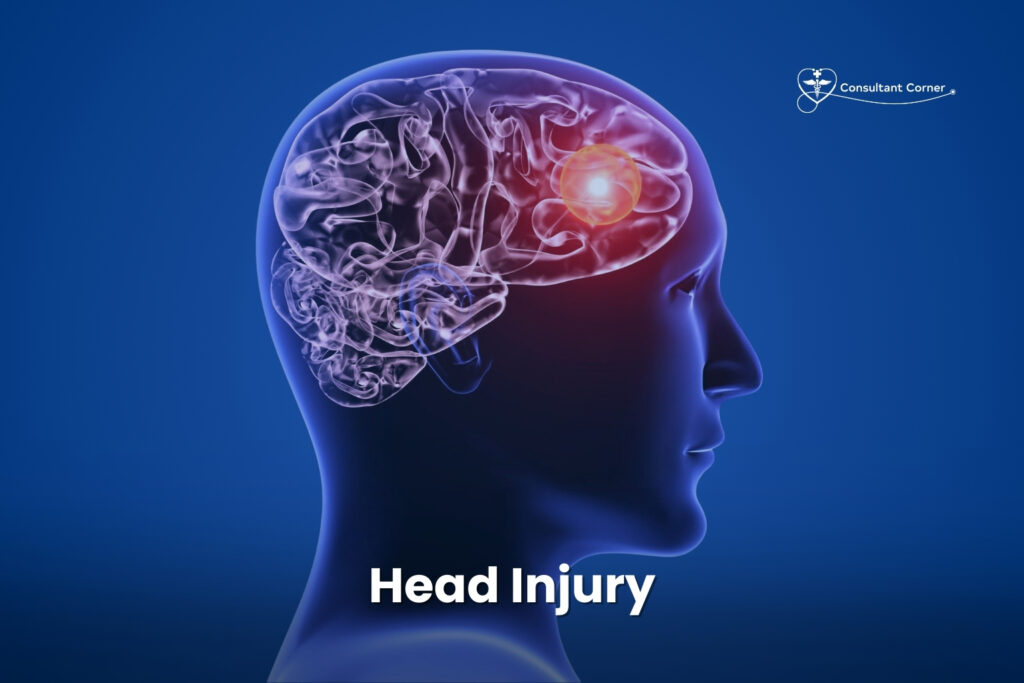
🧠 Head Injury Evaluation & Expert Neurology Care Had a Head Injury? Don’t Take Chances. A head injury can seem minor at first, but symptoms often develop hours—or even days—later. If you’ve had a fall, accident, or any blow to the head, it’s important to get checked by a specialist. At Consultant Corner, we help you understand what’s happening, rule out dangerous complications, and guide you safely through recovery. ⚠️ Warning Signs You Should Never Ignore A head injury can affect how your brain functions—even if there’s no visible wound. Pay attention to symptoms such as: Headache that won’t go away or keeps getting worse: This can be an early sign of concussion or bleeding inside the skull. Dizziness, imbalance, or feeling “off”: These symptoms often signal disruption in brain pathways that control coordination. Nausea or vomiting: A common indicator of increased pressure in the brain. Trouble focusing, remembering, or processing: Many patients describe feeling “foggy” or unusually slow after a head injury. Sensitivity to light or blurry vision: These can appear even days later and suggest irritation of the brain after trauma. If any of these symptoms appear or worsen, it’s safest to be evaluated promptly. ❗ Why Getting Checked Matters Head injuries are unpredictable. What feels like a simple bump can sometimes lead to: Concussion and lingering post-concussion symptoms Internal bleeding (epidural or subdural hematoma) Skull fractures Persistent headaches, memory issues, mood changes, or sleep problems Early evaluation can prevent dangerous complications and dramatically improve recovery outcomes. 🏥 Why Patients Trust Consultant Corner We understand that head injuries are frightening. Our goal is to offer reassurance, clarity, and expert medical guidance. When you come to Consultant Corner, you receive: Specialist Neurology Assessment: Your evaluation is performed by a neurologist experienced in concussion and brain injury care. Review of Scans & ER Reports: If you’ve already visited the ER, we help interpret your CT/MRI findings and explain what they really mean. Personalized Recovery Plan: We guide your next steps—whether that’s rest, gradual return to work, or further testing. Management of Ongoing Symptoms: Headaches, dizziness, concentration issues, sleep problems, and memory lapses can be treated. Same-week Appointments: You shouldn’t have to wait when brain health is involved. Your care is thorough, compassionate, and tailored to your needs. 🚨 When to Go to the ER Immediately Some symptoms require emergency attention. Call 911 if you experience: Loss of consciousness Sudden severe headache Repeated vomiting Weakness or numbness on one side Seizure Confusion or unusual behavior Clear fluid from the nose or ears If you’re unsure, it’s always safer to get evaluated. 📞 Schedule Your Head Injury Evaluation If you recently had a head injury and aren’t feeling like yourself, trust your instincts—your brain is too important to ignore symptoms. Consultant Corner is here to help you get answers, feel better, and recover safely. 👉 Book Your Appointment Today(Call or Request Online)
Types of Headaches Explained | Tension, Migraine & Cluster Symptoms
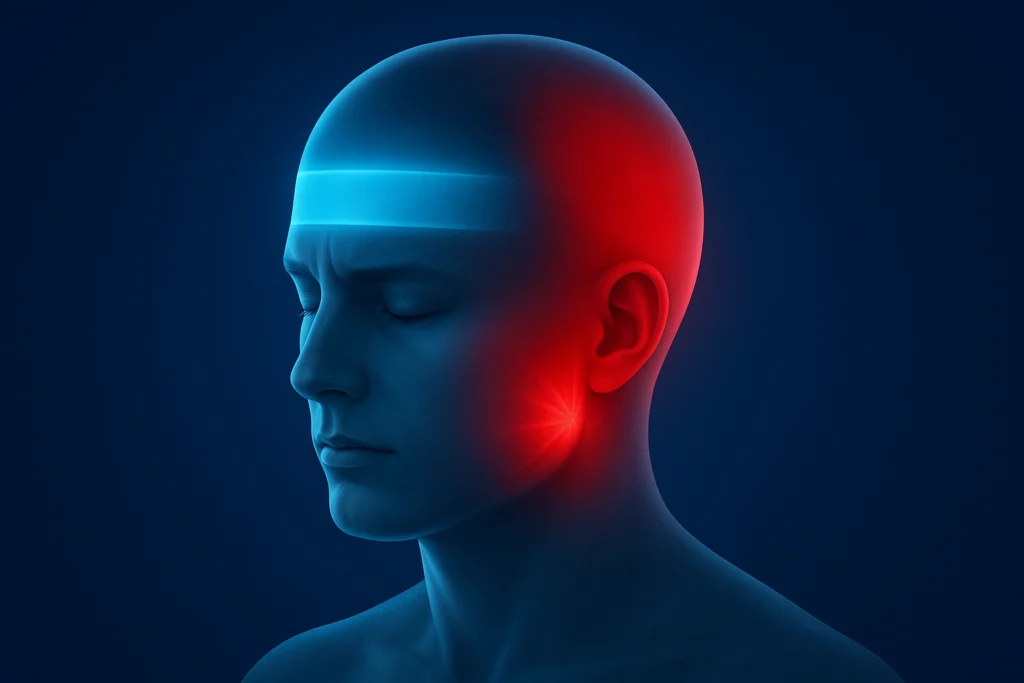
Types of Headaches Explained: Causes, Symptoms, and Duration Understanding the different types of headaches can help you identify what you’re experiencing and when to seek medical help. Headaches are broadly classified into primary headaches (not caused by another condition) and secondary headaches (caused by underlying health issues). Primary Headaches These occur independently and are not a symptom of another disease. 1. Tension Headaches Most common headache type Feels like a tight band or pressure around the head Pain level: mild to moderate Common triggers: stress, poor posture, muscle tension Duration: Minutes to several days 2. Migraine Headaches Severe, often one-sided pain May include nausea, vomiting, sensitivity to light or sound Can be preceded by an aura (vision changes, tingling sensations) Duration: Hours to days Migraines may significantly impact daily life and often require treatment. 3. Cluster Headaches Extremely painful, stabbing headache on one side, usually around the eye Occur in “clusters” – multiple attacks per day over weeks or months May cause watery eyes, nasal congestion, or eyelid drooping Duration: 15 minutes to 3 hours 4. Other Primary Headaches Triggered by specific actions such as coughing, exercise, or sleep (hypnic headaches) Symptoms and duration vary depending on the trigger Secondary Headaches These are caused by another health issue, such as: Infections Head or neck injuries Medication side effects Underlying medical conditions Summary Table: Common Primary Headaches Headache Type Description Common Symptoms Duration Tension Band-like pressure Mild to moderate pain Minutes to days Migraine One-sided, severe Nausea, aura, light/sound sensitivity Hours to days Cluster Stabbing pain near one eye Watery eyes, nasal congestion 15 min – 3 hrs Other (cough, exercise, hypnic) Triggered by actions Varies Varies When to See a Doctor Seek immediate medical attention if headaches: Become more frequent or severe Are accompanied by weakness, confusion, or vision loss Follow an injury or sudden health change
