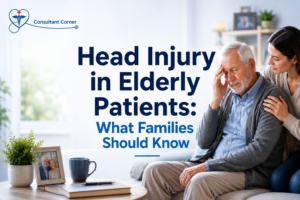
Falls are one of the most common health risks facing older adults. While many seniors recover from minor slips without serious consequences, a seemingly harmless fall can sometimes lead to a significant brain injury. This is why understanding the connection between falls and brain injury is so important for families and caregivers.
Imagine an older parent slipping in the bathroom. They stand up, insist they feel fine, and continue with their day. Many families assume that if there is no visible injury or loss of consciousness, there is nothing to worry about. However, a head injury in older adults may not show immediate symptoms. In some cases, signs of a concussion or internal bleeding can develop hours or even days later.
As we age, changes in the brain and body can increase vulnerability to injury. Older adults are more likely to experience complications following head trauma, including bleeding around the brain, prolonged recovery, and worsening cognitive symptoms. Early recognition and appropriate elderly head injury treatment can significantly improve outcomes.
This guide explains why head injuries are often more serious in seniors, how to recognize warning signs, what caregivers should watch for, and when a professional neurological evaluation is necessary.
Why Head Injuries Are More Serious in Older Adults
A head injury that may seem minor in a younger adult can have far greater consequences in an older person.
One major reason is that the brain naturally changes with age. As people get older, the brain gradually shrinks slightly, creating additional space between the brain and skull. While this is a normal part of aging, it can increase the risk of blood vessels stretching and tearing during a fall or impact.
Several factors contribute to increased risk:
- Age-related brain shrinkage
- More fragile blood vessels
- Slower healing and recovery processes
- Higher likelihood of chronic medical conditions
- Increased use of blood-thinning medications
According to the Centers for Disease Control and Prevention (CDC), falls are the leading cause of injury-related emergency department visits and hospitalizations among older adults.
Even when there is no obvious external injury, complications such as:
- Concussions
- Brain bruising
- Internal bleeding
- Subdural hematomas
- Cognitive decline
can occur.
Families should understand that the severity of a head injury cannot always be determined by how dramatic the fall appeared. A seemingly minor bump can sometimes lead to serious neurological complications.
Common Causes of Falls and Brain Injury
in Seniors
Understanding what causes falls can help families reduce risk and improve safety.
Common causes include:
Bathroom Falls
Wet floors, slippery tubs, and difficulty stepping into showers make bathrooms one of the highest-risk areas in the home.
Stair Accidents
Poor lighting, loose carpeting, and balance difficulties can increase fall risk on stairs.
Medication Side Effects
Some medications may cause:
- Dizziness
- Drowsiness
- Low blood pressure
- Balance problems
Vision Problems
Poor depth perception and reduced visual clarity can contribute to trips and falls.
Balance Disorders
Inner ear problems, neuropathy, Parkinson’s disease, and other neurological conditions may impair stability.
Household Hazards
Common dangers include:
- Loose rugs
- Electrical cords
- Cluttered walkways
- Uneven flooring
Fall Prevention Checklist
✔ Install grab bars in bathrooms
✔ Improve lighting throughout the home
✔ Remove trip hazards
✔ Wear supportive footwear
✔ Schedule regular vision exams
✔ Review medications with a healthcare provider
✔ Encourage balance and strength exercises
Concerned about a Head Injury?
Connect with a neurologist online for expert evaluation, guidance, and personalized care without visiting a clinic.
Senior Concussion: What Older Adults Need to Know
A concussion is a mild traumatic brain injury caused by a blow or jolt to the head that temporarily affects brain function.
While concussions are often associated with sports injuries, senior concussion is a significant health concern. Older adults frequently experience concussions after falls, and symptoms can be subtle or mistaken for normal aging.
Unlike younger adults, seniors may experience:
- Longer recovery periods
- Increased risk of complications
- More pronounced cognitive symptoms
- Higher hospitalization rates
Common Elderly Concussion Symptoms
Many seniors do not lose consciousness during a concussion, which can lead families to underestimate the injury.
If symptoms appear after a fall, prompt medical evaluation is recommended.
Senior Head Injuries: Urgent Red Flag Symptoms
Certain symptoms may indicate a serious brain injury or internal bleeding and require immediate emergency evaluation.
Emergency Warning Signs Checklist
- Loss of consciousness
- Repeated vomiting
- Severe or worsening headache
- Slurred speech
- Sudden confusion
- Seizures
- Weakness or numbness on one side
- Difficulty walking
- Extreme drowsiness
- Vision changes
Why These Symptoms Matter
These warning signs may indicate:
- Brain bleeding
- Increased pressure inside the skull
- Stroke-like complications
- Severe traumatic brain injury
A brain bleed after a fall can worsen rapidly if not identified and treated promptly.
Families should not wait to see if symptoms improve when these signs are present.
These symptoms require immediate emergency medical attention.
Early Neurological Evaluation Matters
If an older loved one experiences a head injury, early neurological assessment can help identify serious complications before they worsen.
Blood Thinner Head Injury Risks Families Must Understand
One of the most important concerns after a fall is the use of blood-thinning medications.
Common medications include:
- Warfarin (Coumadin)
- Eliquis (Apixaban)
- Xarelto (Rivaroxaban)
- Plavix (Clopidogrel)
- Aspirin therapy
These medications help prevent blood clots but can increase the risk of internal bleeding after a head injury.
Why Blood Thinners Increase Risk
When blood vessels are damaged, bleeding may continue longer than normal.
This raises the risk of:
- Brain hemorrhage
- Subdural hematoma
- Delayed bleeding complications
A person may appear completely normal immediately after a fall and still develop symptoms later.
Healthcare providers may recommend imaging studies such as a CT scan even if symptoms seem mild.
Families should always inform emergency personnel if the injured person takes blood thinners.
Delayed Symptoms After a Head Injury in Elderly Patients
One of the most concerning aspects of brain injury in seniors is that symptoms do not always appear immediately.
Delayed symptoms can develop:
- Hours later
- Days later
- Occasionally weeks later
Symptoms Families Should Monitor
- Brain fog
- Increased confusion
- Memory difficulties
- Balance problems
- Fatigue
- Mood changes
- Personality changes
- Headaches
- Sleep disturbances
Caregiver Monitoring Checklist
- Observe behavior changes
- Track headaches
- Monitor balance and walking
- Watch for increased confusion
- Note changes in sleep patterns
- Seek medical attention if symptoms worsen
Careful observation during the days following a fall can help identify developing complications early.
Can a Brain Injury Change a Person's Personality?
Yes. In some cases, a head injury can affect areas of the brain responsible for emotions, behavior, and decision-making.
Families may notice:
- Irritability
- Mood swings
- Depression
- Anxiety
- Impulsiveness
- Reduced motivation
- Emotional sensitivity
These changes can be frightening for both patients and loved ones.
Brain injuries may disrupt communication between regions of the brain involved in emotional regulation. As a result, a person may seem different from their usual self.
It is important to remember that these symptoms are often neurological rather than intentional.
Medical evaluation and rehabilitation services may help address emotional and behavioral changes during recovery.
What Are the Inappropriate Behaviors After Brain Injury?
Following a traumatic brain injury, some individuals may demonstrate behaviors that appear unusual or socially inappropriate.
Examples include:
- Aggressive outbursts
- Poor judgment
- Inappropriate comments
- Reduced self-awareness
- Difficulty controlling emotions
- Impulsive decision-making
These behaviors may result from injury-related changes affecting the brain’s executive functioning and impulse control systems.
Caregiver Tips
- Remain calm during emotional episodes
- Avoid arguing
- Redirect attention when appropriate
- Maintain consistent routines
- Discuss concerns with healthcare providers
Understanding that these behaviors may be injury-related can help families respond with patience and compassion.
How to Talk to a Person With Brain Injury
Communication challenges are common after a concussion or traumatic brain injury.
Helpful Communication Strategies
✔ Speak slowly and clearly
✔ Use short, simple sentences
✔ Maintain eye contact
✔ Minimize distractions
✔ Give extra time for responses
✔ Repeat important information when needed
✔ Be patient with memory difficulties
✔ Use a calm and reassuring tone
Avoid
✘ Speaking too quickly
✘ Giving multiple instructions at once
✘ Interrupting responses
✘ Correcting mistakes harshly
Small communication adjustments can significantly reduce frustration for both patients and caregivers.
A Brain Injury Guide for Families and Caregivers
Supporting recovery requires attention to both physical and emotional needs.
Caregiver Action Plan
Monitor Symptoms
Keep a record of:
- Headaches
- Dizziness
- Sleep patterns
- Mood changes
- Cognitive symptoms
Encourage Rest
The brain requires adequate rest to recover after injury.
Support Medication Adherence
Ensure medications are taken as prescribed and discuss any concerns with healthcare providers.
Attend Follow-Up Appointments
Neurological follow-up helps track recovery and identify ongoing concerns.
Prevent Future Falls
Consider:
- Home safety modifications
- Physical therapy
- Balance training
- Vision assessments
Provide Emotional Support
Recovery can be frustrating and emotionally challenging.
Offer reassurance, patience, and encouragement throughout the healing process.
How Doctors Diagnose and Manage Elderly Head Injuries
Evaluation begins with a detailed medical history and neurological examination.
Doctors may assess:
- Alertness
- Memory
- Speech
- Coordination
- Balance
- Reflexes
Diagnostic Testing
Depending on symptoms, testing may include:
CT Scan
Often used to identify bleeding, swelling, or skull fractures.
MRI
Provides more detailed imaging of brain structures when necessary.
Cognitive Evaluation
Assesses memory, attention, and thinking abilities.
Balance Assessment
Evaluates dizziness and mobility concerns.
Treatment Approaches
Management varies depending on injury severity and may include:
- Observation
- Medication management
- Rehabilitation therapy
- Physical therapy
- Occupational therapy
- Cognitive rehabilitation
Every patient requires an individualized treatment plan based on their symptoms and overall health status.
When Should Families Seek Neurological Care?
Neurological evaluation should be considered when symptoms persist or new concerns develop after a head injury.
Seek specialist care for:
- Persistent headaches
- Ongoing dizziness
- Memory problems
- Behavioral changes
- Repeated falls
- Balance difficulties
- Sleep disturbances
- Lingering post-concussion symptoms
A neurologist can evaluate underlying causes, identify complications, and develop an appropriate recovery plan.
Conclusion
Falls are often dismissed as a normal part of aging, but they should never be ignored—especially when a head injury is involved.
Understanding the risks associated with falls and brain injury, recognizing elderly concussion symptoms, and seeking timely elderly head injury treatment can make a meaningful difference in recovery and long-term health.
Not every serious brain injury causes immediate symptoms. Some complications develop gradually, making careful observation essential during the days following a fall.
Families and caregivers play a critical role in identifying warning signs, supporting recovery, and ensuring older adults receive appropriate medical attention when needed.
A fall may seem minor, but the effects of a brain injury can be significant—especially in older adults. If your loved one has experienced a head injury, schedule a tele-neurology consultation with My Consultant Corner to ensure they receive expert evaluation, guidance, and ongoing neurological support.
Frequently Asked Questions