
How Do You Get Rid of a Migraine Fast?
How Do You Get Rid of a Migraine Fast? Migraine relief can come quickly with a few targeted steps, but effectiveness varies by person. Here are practical, often-cited approaches you can try right away: What Are Some Quick Relief Strategies for Migraines? Create a Dark, Quiet EnvironmentDim lights or rest in a dark room to reduce sensory triggers. If you’re in a bright or noisy setting, use an eye mask or earplugs. This helps many people calm nervous activity and ease pain. Apply Cold or Warm TherapyA cold pack to the forehead or temples can reduce throbbing for some, while others find a warm shower or neck heat relaxes tense muscles. Experiment to see which feels better for you. Hydration and Light NutritionSip water or an electrolyte beverage; skipping meals can worsen migraines. A small, balanced snack with protein can help stabilize blood sugar. Caffeine in Small AmountsA modest caffeine boost can help some people early in an attack or enhance the effect of nonprescription pain relievers. Avoid excess caffeine to prevent rebound headaches. Over-the-Counter Pain ReliefAcetaminophen, ibuprofen, or naproxen can be effective for many. Take only the recommended dose and consider food to avoid stomach upset. If you have frequent migraines or medical conditions, check with a clinician before using these regularly. Gentle Neck and Scalp MassageMassage temples, the base of the skull, and neck muscles to relieve muscle tension that can accompany migraines. Slow, Deliberate BreathingPractice deep breathing—inhale for 4 seconds, hold for 4, exhale for 6. This can reduce sympathetic arousal and ease pain. Ginger or Other Anti-Nausea AidsIf nausea accompanies the migraine, ginger tea or ginger capsules may help some people. When Should You Seek Medical Help for a Migraine? If the migraine is unusually severe, lasts longer than 72 hours, or is a first-time event with atypical features. If you experience weakness, confusion, fever, stiff neck, slurred speech, or loss of coordination. If you have frequent or very disabling migraines, or if OTC measures don’t help, see a healthcare professional for a personalized plan, which may include prescription medications or preventive therapy. What is the Quick-Reference Comparison for Migraine Relief? Environment Changes (Dark, Quiet Room) vs. Pharmacologic Relief (OTC Meds): Both can reduce pain quickly, but environment changes are universally accessible and carry minimal risk. Cold Pack vs. Warm Compress: Cold is often cited for throbbing, warm for tense necks; select based on what feels better for you. Caffeine Use: Can help early in attacks or boost OTC meds, but risks dependence or rebound headaches if overused. Need Help with Your Migraines? If your migraines are frequent or disabling and over-the-counter remedies aren’t helping, it’s time to seek professional care. Schedule an appointment with our specialists at MyConsultantCorner today to explore advanced treatments and get relief that works for you. Call MyConsultantCorner now to get personalized care and take control of your migraine pain. Our team is here to help you find the best solution for lasting relief. Don’t wait—start your journey toward a life without migraines today! 🌐 Visit: https://myconsultantcorner.com 📍 Address: 1404 Eastland Dr, Bloomington, IL 61701, United States📞 Call: +1 (888) 208–2208📧 Email: info@myconsultantcorner.com
Biggest Cause of Migraines: Genetics, Stress & Brain Sensitivity
What Is the Biggest Cause of Migraines? The biggest underlying cause of migraines is a genetic predisposition that makes the brain more excitable and sensitive to internal and external triggers. This inherited sensitivity means the nervous system reacts more strongly to everyday changes such as stress, sleep disruption, or hormonal fluctuations, leading to migraine attacks. Rather than having one single cause, migraines usually develop when a genetically sensitive brain is exposed to specific triggers. Is Migraine Primarily a Genetic Condition? Yes, migraine is strongly influenced by genetics. Research and family studies show that around 60% of migraine susceptibility is inherited, which explains why migraines often run in families. People who inherit migraine-related genes tend to have: Increased baseline brain excitability Over-responsive pain pathways A lower threshold for triggering head pain This genetic setup makes the brain more likely to react intensely to changes that would not affect someone without migraine susceptibility. How Does Brain Sensitivity Lead to Migraine Pain? In migraine-prone individuals, the brain’s pain networks are easier to activate. Genes linked to migraine are thought to affect how nerve cells communicate, especially within pain pathways such as the trigeminovascular system. Because of this heightened sensitivity: Minor stimuli can trigger severe pain Sensory signals (light, sound, smell) are amplified Pain pathways remain active longer during an attack This explains why migraines are often intense, long-lasting, and accompanied by nausea or sensory sensitivity. What Are the Most Common Everyday Migraine Triggers? Triggers do not cause migraines on their own; they activate an already sensitive nervous system. Why Is Stress the Most Common Trigger? Stress is one of the most frequently reported migraine triggers, particularly sudden changes in stress levels. Many people experience migraines: During stressful periods After stress ends (“let-down” migraines) Stress affects brain chemicals, sleep patterns, and muscle tension, all of which lower the migraine threshold. What Other Daily Triggers Commonly Set Off Migraines? 8 Common Daily Triggers That Set Off Migraines: Lack of sleep or irregular sleep schedules Skipping meals or fasting Dehydration Bright or flickering lights Strong smells Weather or barometric pressure changes Alcohol consumption Excess caffeine or caffeine withdrawal Each trigger slightly lowers the brain’s tolerance until a migraine attack is initiated. Why Do Hormones Play Such a Big Role in Migraines? Hormonal fluctuations, especially changes in estrogen, are a major migraine trigger for many women. Migraines often worsen: Around menstruation During perimenopause With hormonal contraceptive changes Estrogen directly influences pain pathways and brain excitability. When estrogen levels drop, the brain becomes even more sensitive, making migraine attacks more likely during certain phases of the hormonal cycle. What Happens in the Brain During a Migraine Attack? Migraine is a neurological process, not just a headache. What Is Cortical Spreading Depression? In many people, particularly those with migraine aura, a wave of electrical and chemical activity spreads across the brain’s cortex. This phenomenon, called cortical spreading depression, can: Trigger aura symptoms Activate pain-sensitive structures Start inflammation in the meninges How Does This Lead to Migraine Pain? Once activated, the trigeminovascular system becomes sensitized. This results in: Throbbing head pain Sensitivity to light, sound, and touch Nausea and vomiting The longer this system remains activated, the more severe and prolonged the migraine becomes. Is There One Single Cause of Migraines? No. Migraines almost never have one single cause. They occur due to a combination of inherited brain sensitivity and multiple triggers acting together. The same trigger may cause a migraine one day and not another, depending on sleep, stress, hormones, and overall brain load. How Can You Identify Your Biggest Migraine Triggers? Because migraines are highly individual, identifying personal triggers is essential. Keeping a migraine diary can help track: Stress levels Sleep patterns Meals and hydration Hormonal cycles Environmental exposures Recognizing patterns allows better prevention strategies and helps guide medical treatment when needed. Key Takeaway: What Is the Biggest Cause of Migraines? The biggest cause of migraines is an inherited migraine-prone nervous system, with triggers like stress, sleep disruption, and hormonal changes determining when attacks occur. Managing migraines effectively means addressing both: The underlying neurological sensitivity The personal triggers that push the brain past its threshold Take Control of Your Migraines — Get Expert Neurology Care Today Migraines Affect More Than Your Head Living with migraines isn’t just about headaches—it’s about missed workdays, disrupted family time, anxiety over the next attack, and constantly planning your life around pain. When migraines interfere with your ability to think clearly, work productively, or enjoy everyday moments, it’s a sign that you need more than short-term relief. Personalized Neurology Care That Looks at the Whole Picture At MyConsultantCorner, we connect you with experienced neurology specialists who focus on identifying the root cause of your migraines—not just suppressing symptoms. Our care is tailored to you, whether you’re dealing with chronic migraines, visual changes, vestibular symptoms, hormonal triggers, or migraines that haven’t responded to standard medications. What Your Migraine Evaluation May Include We believe migraine care should never be one-size-fits-all. Your consultation may involve: A detailed review of your symptoms and migraine history Trigger identification and pattern analysis Medication review and optimization Preventive strategies, including CGRP therapies or Botox when appropriate Practical guidance on lifestyle factors that truly influence migraine control Most importantly, we take the time to listen—because effective migraine treatment starts with understanding your experience. Why Early Specialist Care Matters If your migraines are becoming more frequent, more intense, or harder to manage, waiting can allow them to progress into a chronic, disabling pattern. Early care from a neurology specialist can: Reduce the number of migraine days Improve focus, productivity, and quality of life Help prevent long-term migraine progression You don’t have to plan your life around migraines. With the right expert care, better control is possible. 👉 Schedule your neurology consultation today and take the first step toward fewer migraine days, better symptom control, and a clearer path forward. 🌐 Visit: https://myconsultantcorner.com 📍 Address: 1404 Eastland Dr, Bloomington, IL 61701, United States 📍 Address: 5140 Montana Ave, El Paso, TX 79903,
Are Migraines a Good Reason to Skip a Meeting?
Are Migraines a Good Reason to Skip a Meeting? Yes. A true migraine is generally a valid medical reason to miss or leave a meeting—especially when symptoms are severe enough that you cannot see clearly, think straight, tolerate light or sound, or prevent nausea or vomiting. Migraines are not “just headaches.” They are a neurological condition that can temporarily disable normal functioning. When Is It Reasonable to Skip a Meeting Due to a Migraine? Skipping a meeting is reasonable when migraine symptoms are functionally disabling, including: Moderate to severe head pain Nausea or vomiting Sensitivity to light or sound Visual disturbances or aura Brain fog or slowed thinking Migraine attacks commonly last 4–72 hours, and many people require a dark, quiet environment or medical treatment. This makes attending meetings—especially screen-based or high-focus ones—unsafe or unrealistic. Workplace research consistently shows migraine is a leading cause of: Sick leave Presenteeism (being present but unable to perform) Forcing attendance during severe attacks often worsens symptoms and leads to more lost work overall. Is Migraine a Legally Recognized Reason to Miss Work or Meetings (U.S.)? Yes, in many cases. Does Migraine Qualify Under FMLA? Under the Family and Medical Leave Act (FMLA), migraine may qualify as a serious health condition if it: Requires ongoing medical care, or Causes episodic incapacity This distinguishes migraine from ordinary tension headaches. Is Migraine Covered by the ADA? Migraines can meet the Americans with Disabilities Act (ADA) definition of a disability when they substantially limit activities such as: Working Thinking Seeing Walking This supports reasonable accommodations like: Leaving meetings early Skipping meetings during attacks Flexible scheduling Remote participation How Should You Communicate Skipping a Meeting Due to Migraine? Many people feel pressure to downplay migraines, but medical and advocacy guidance recommends being clear and factual. What’s the Best Way to Say It? Effective communication usually includes: Stating you are experiencing a migraine attack Clarifying it’s a medical condition, not a routine headache Proposing alternatives (reschedule, send notes, follow up later) Should You Inform HR or a Manager in Advance? If migraines are recurrent: Have an advanced conversation with your manager or HR Consider a brief doctor’s note Establish expectations for last-minute cancellations or early exits This prevents repeated explanations and reduces stigma. When Should You Still Attend a Meeting If You Can? In some situations, attendance may be possible if symptoms are mild and manageable. What Accommodations Can Help You Attend? Camera off Dimmed screen or reduced brightness Shortened meetings Frequent breaks Audio-only participation What About High-Stakes Meetings? For critical meetings (e.g., disciplinary hearings or essential negotiations), some people attend in a reduced role, then leave if symptoms escalate. However, repeatedly forcing attendance during severe attacks is linked to: Increased migraine frequency Higher long-term disability Greater overall work disruption Medical guidance favors protecting health first. What Are the Key Takeaways for Migraine and Meetings? A severe, documented migraine is a medically and legally valid reason to skip or leave a meeting Planning with HR or management simplifies communication Tracking migraine frequency and impact helps guide treatment and accommodations Frequent meeting absences may signal the need for better preventive care or workplace adjustments Take Control of Your Migraines With Expert Neurology Care If migraines are forcing you to miss meetings, cancel plans, or push through pain just to get through the day, it’s a sign your condition deserves expert attention—not dismissal. Migraines are a real neurological disorder, and effective treatment starts with the right evaluation. At Consultant Corner, our experienced neurologists specialize in diagnosing and treating migraines that interfere with work, focus, and quality of life. We take the time to understand your symptoms, triggers, and how migraines affect your daily responsibilities. From personalized treatment plans and preventive therapies to documentation for workplace accommodations when needed, we’re here to support you every step of the way. You don’t have to “power through” another attack or wonder whether your migraines are serious enough to seek care. Early, targeted treatment can reduce attack frequency, improve productivity, and help you regain confidence in your day-to-day life. 👉 Schedule your neurology consultation today athttps://myconsultantcorner.com/
Botox for Chronic Migraine | How It Works, Benefits & Eligibility
What Is Botox for Chronic Migraine? Botox (onabotulinumtoxinA) is an FDA-approved treatment for chronic migraine, a condition defined as 15 or more headache days per month, with at least 8 having migraine features. Botox treats chronic migraine by injecting small, controlled doses into specific muscles of the head, neck, and shoulders every 12 weeks to reduce headache frequency and severity. How Does Botox Work for Chronic Migraine? Botox works by blocking pain signaling pathways, not by simply relaxing muscles. It inhibits the release of acetylcholine at nerve endings and reduces inflammatory neurochemicals such as CGRP, which play a key role in migraine pain. By acting on sensory nerves, Botox prevents pain signals from reaching the brain’s pain centers. Treatment follows a standardized protocol from the PREEMPT clinical trials, targeting 31 injection sites across the forehead, temples, back of the head, neck, and shoulders. Rather than masking symptoms, Botox helps interrupt central sensitization, the process that drives chronic migraine. How Long Does Botox Take to Work? Initial improvement may begin after the first treatment Most patients see meaningful benefit after 2–3 treatment cycles (about 6 months) Maximum benefit often appears by the third cycle, as the migraine cycle is gradually broken Botox is a preventive treatment, so consistency is key. How Effective Is Botox for Chronic Migraine? FDA-approved since 2010 for chronic migraine Clinical trials show an average reduction of 8–9 headache days per month About 50% of patients achieve at least a 50% reduction in headache frequency after two treatment cycles Long-term studies show sustained benefit for 5 years or longer Reduces disability, emergency visits, and overuse of acute pain medications Botox is especially effective for patients who have not responded to 2–3 oral preventive medications. Who Is a Good Candidate for Botox? You may be a candidate if you: Have chronic migraine (15+ headache days/month) Have tried and not tolerated or benefited from oral preventive medications Keep a headache diary documenting frequency and severity Are treated by a neurologist or headache specialist Botox is not approved for episodic migraine (fewer than 15 headache days per month). What Is the Botox Treatment Process Like? Performed in an outpatient setting Takes 10–15 minutes No anesthesia or recovery time needed Patients return to normal activities the same day Side effects are uncommon and usually mild: Temporary neck soreness Mild headache after injections Eyelid drooping in less than 5% of patients Side effects tend to decrease with repeated treatments. Monitoring Results and Long-Term Use About 70% of patients benefit in the long term Around 30% may discontinue due to limited response Effectiveness is monitored using headache diaries and quality-of-life improvements Treatment is typically continued if there is: ≥50% reduction in headache days or Significant functional improvement Botox is considered safe, cost-effective, and well-tolerated when used long-term, especially with insurance coverage. Can Botox Be Combined With Other Migraine Treatments? Yes. Botox is often combined with: Acute migraine medications (triptans, gepants) Lifestyle modifications Physical therapy for neck involvement CGRP-targeted therapies for partial responders A neurologist can tailor combination therapy for optimal results.
How Are the Neck, Jaw, and Nerves Connected to Migraines?
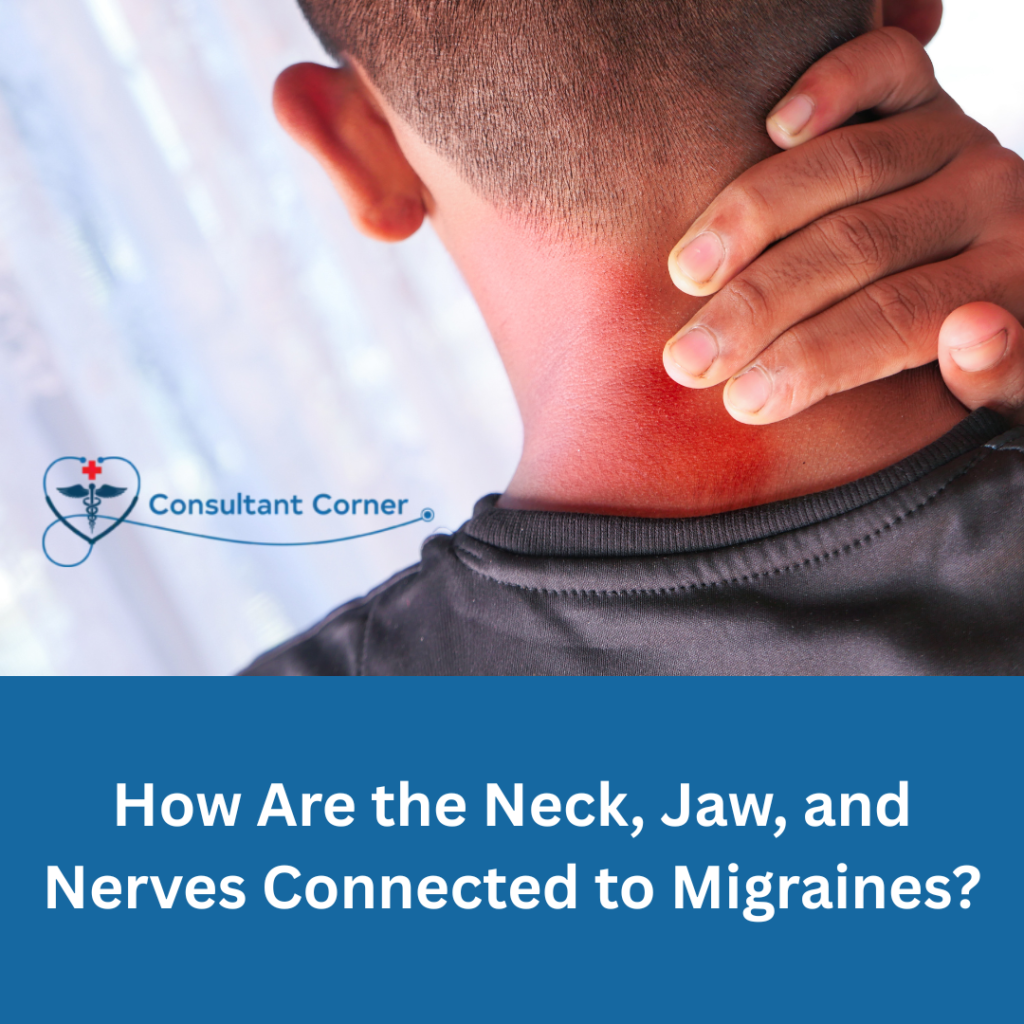
How Are the Neck, Jaw, and Nerves Connected to Migraines? Neck, jaw, and nerve-related migraines usually involve irritation of shared pain pathways between the trigeminal nerve (which supplies the face and jaw) and the upper cervical nerves (C1–C3) in the neck. Because these nerves converge in the brainstem, problems in one area can trigger or worsen migraine attacks rather than acting as separate conditions. What Role Does the Trigeminal Nerve Play in Migraine Pain? The trigeminal nerve is the primary sensory nerve of the face, jaw, teeth, and front of the head, and is a central pathway in migraine. When activated, it releases pain-mediating chemicals such as CGRP (calcitonin gene-related peptide) that drive migraine inflammation and sensitivity. This is why migraine pain may be felt around the eyes, temples, jaw, teeth, or face—even when the origin is neurological rather than dental or muscular. Why Does Neck Pain Often Occur With Migraines? Sensory fibers from the upper cervical spine (C1–C3) and the trigeminal nerve converge in a brainstem region called the trigeminocervical nucleus. This overlap allows pain signals from the neck to be interpreted as head pain and vice versa. Because of this shared pathway: Neck muscle tension, joint dysfunction, or poor posture can lower the migraine threshold Neck pain may act as a trigger, prodrome, or part of the migraine itself Is Neck Pain a Symptom of Migraine or a Separate Headache? Many people with migraine experience neck pain as an early warning sign or during the attack itself, not just as muscle soreness. However, a condition called cervicogenic headache originates directly from the cervical spine and has different features: Neck stiffness and reduced range of motion Pain worsened by specific neck movements or pressure Less nausea and light/sound sensitivity compared to migraine Overlap is common, and some patients have both migraine and cervicogenic headache, which is why evaluating posture, neck mobility, and muscle tenderness is important for treatment planning. Can TMJ or Jaw Problems Trigger Migraines? Yes. Temporomandibular joint (TMJ) disorders can contribute to migraines by causing muscle tension, inflammation, and nerve irritation around the jaw. TMJ-related issues may: Refer pain to the temples, face, and head Increase central sensitization Trigger or worsen migraine attacks in susceptible individuals Research shows people with TMJ disorders have a higher risk of migraines. Treating jaw dysfunction—through splints, jaw physiotherapy, bite correction, and relaxation techniques—can reduce headache frequency in some patients, especially when combined with migraine-specific treatment. How Is Trigeminal Neuralgia Different From Migraine Pain? Trigeminal neuralgia (TN) is a separate neurological condition involving damaged or compressed trigeminal nerve fibers. Key differences include: TN pain is brief, electric shock–like, and lasts seconds It is triggered by talking, chewing, or light touch Migraine pain lasts hours to days, is throbbing, and often includes nausea, light sensitivity, and fatigue People with migraine with aura may have a higher risk of developing trigeminal neuralgia, so new, sharp, electric facial or jaw pain should always prompt neurological evaluation. How Are Neck-, Jaw-, and Nerve-Related Migraines Evaluated? When neck or jaw symptoms are prominent, clinicians typically: Take a detailed headache and pain history Perform neurological and musculoskeletal exams Rule out conditions such as trigeminal neuralgia, TMJ disorders, cervicogenic headache, or dental issues Order imaging when red flags or atypical features are present Proper diagnosis ensures treatment targets both the migraine and its contributing triggers. What Treatments Help When Neck or Jaw Issues Worsen Migraines? Management often combines multiple strategies, including: Migraine-specific medications (triptans, CGRP blockers, preventives) Physical therapy for posture, neck mobility, and muscle dysfunction Dental or TMJ interventions when indicated Ergonomic adjustments and stress reduction Sleep optimization and clenching avoidance This multimodal approach is often more effective than treating migraines alone. When Should Neck or Jaw Pain With Migraine Be Urgently Evaluated? Seek urgent medical assessment if you experience: Sudden electric or stabbing facial pain New severe one-sided neck pain with neurological symptoms Rapid or unexplained change in headache pattern Weakness, numbness, or vision changes These symptoms may indicate structural, nerve, or vascular conditions that require prompt care. Struggling With Migraines Linked to Neck or Jaw Pain? If your migraines are worsening with neck stiffness, jaw tension, facial pain, or nerve symptoms, it’s time for a neurological evaluation. At Consultant Corner, our neurologists specialize in identifying migraine triggers involving the trigeminal nerve, cervical spine, and TMJ pathways—so treatment targets the root cause, not just the pain. 👉 Speak with a neurologist and get a personalized migraine plan today.🌐 https://myconsultantcorner.com/
What Is Ocular Migraine? Vision Changes & Migraine Types
What Is an Ocular Migraine? An ocular migraine, also known as retinal migraine, is a rare subtype of migraine that causes temporary visual disturbances in one eye, often followed by a headache.It is different from typical migraine aura, which affects both visual fields and originates in the brain rather than the eye. Ocular migraines are usually short-lived and reversible, but because they involve temporary vision loss, proper evaluation is important to rule out more serious conditions. Learn More: Migraine Headaches: Causes, Symptoms, Types, and Treatment Options Key Symptoms of Ocular Migraine Visual symptoms typically affect only one eye and may include: Blind spots (scotoma) Flashing or flickering lights Zigzag or shimmering patterns Partial or complete vision loss in one eye Symptoms usually: Last 5–60 minutes Resolve completely May be followed by a migraine headache Associated headache symptoms (when present) can include: Throbbing head pain Nausea or vomiting Sensitivity to light Fatigue Some people experience visual symptoms without any headache. What Causes an Ocular Migraine? Ocular migraine is thought to result from temporary spasms or reduced blood flow in retinal blood vessels or the optic nerve. Risk Factors & Triggers Triggers often overlap with general migraine triggers, including: Stress or emotional strain Dehydration Hormonal changes Caffeine or alcohol Bright or flickering lights High blood pressure Family history of migraine (genetic factors play a role in ~50% of cases) Learn More : Migraine Headaches: Causes, Symptoms, Types and Treatment Options Ocular Migraine vs Migraine Aura: What’s the Difference? Feature Ocular Migraine Migraine Aura Affects One eye Both visual fields Origin Retina / optic nerve Brain (visual cortex) Vision loss Monocular Binocular Rarity Rare Common (25–30%) Understanding this distinction is important for diagnosis and safety. When Should You Seek Medical Care? Most ocular migraines resolve without lasting harm. Urgent evaluation is needed if: Vision loss lasts longer than 60 minutes Symptoms occur frequently Vision loss is sudden and severe Symptoms are accompanied by: Weakness Speech difficulty Confusion New neurological symptoms These signs require evaluation to rule out stroke, TIA, or retinal conditions. How Is Ocular Migraine Diagnosed? Diagnosis is based on: Detailed symptom history Eye examination Neurological evaluation when needed A neurologist or ophthalmologist may be involved to ensure accurate diagnosis and exclusion of serious causes. Management & Treatment Options Treatment focuses on trigger control and prevention. Lifestyle Management Stay well hydrated Maintain regular sleep and meals Manage stress Avoid known triggers Medications Over-the-counter pain relievers for headache relief Preventive medications (e.g., beta-blockers) for frequent episodes Keeping a migraine diary helps identify patterns and triggers. What Is a Silent Migraine? A silent migraine, also called migraine aura without headache, involves typical migraine aura symptoms without head pain. Common Symptoms Visual disturbances (flashing lights, zigzag lines, blind spots) Tingling or numbness Speech difficulty Dizziness Fatigue or brain fog afterward (postdrome) Diagnosis focuses on ruling out stroke or TIA, especially for new or atypical episodes. What Are Dizziness and Vertigo Migraines? Vestibular migraine causes dizziness or vertigo linked to migraine processes, even without head pain. Key Symptoms Spinning or falling sensation Motion sensitivity Nausea Balance problems A headache may or may not be present It is one of the most common causes of recurrent vertigo. Management Regular sleep and meals Hydration and stress control Preventive migraine medications Vestibular rehabilitation therapy Migraine With Vision Changes: What Does It Mean? Most migraine-related vision changes are due to migraine aura, affecting both eyes’ visual fields. Common Visual Features Shimmering zigzag lines Flashing lights or sparkles Blind spots or tunnel vision Distorted or wavy vision Symptoms typically: Last 5–60 minutes Resolve fully Are followed by headache in many cases When Vision Changes Are an Emergency Seek immediate care for: Vision loss lasting over 60 minutes Sudden one-sided blindness Vision loss with weakness or speech difficulty When to See a Neurologist You should seek specialist care if you experience: Recurrent visual disturbances New or worsening migraine symptoms Vision changes with neurological symptoms Uncertainty between ocular migraine and aura A neurologist can confirm the diagnosis, guide treatment, and reduce future risk. Get Expert Neurology Care for Migraines — From Consultant Corner Whether you’re experiencing ocular migraines, silent migraines, vertigo, or visual aura, you don’t have to manage it alone. Consultant Corner provides modern, patient-centered neurology care to help you move forward with confidence. 📞 Phone: +1 (888) 208-2208📧 Email: info@myconsultantcorner.com🌐 Website: https://myconsultantcorner.com/ 👉 Speak With a Neurologist About Your Migraine Symptoms Today
Migraines Explained: Causes, Triggers & Neurology Care
Can Stress Cause Migraines? Yes. Stress is one of the most common migraine triggers, but it is usually a trigger rather than the root cause. Migraine itself is a neurological disorder, and stress tends to set off attacks in people who are already susceptible. How Are Stress and Migraines Linked? Studies show that 70–80% of people with migraine report stress as a trigger. Both: High stress, and The “let-down” period after stress (such as weekends or after exams/work deadlines) are associated with increased migraine risk. Stress alters brain chemicals and pain-processing pathways, lowering the brain’s threshold for migraine activation. Repeated or severe stress may also contribute to the transition from episodic migraine to chronic migraine in some individuals. Does Stress Directly Cause Migraines? Current evidence shows a strong association but not a simple cause-and-effect relationship. Stress does not “create” migraine in people without the condition, but it can: Trigger attacks Worsen severity Increase disability A vicious cycle often develops: migraines increase stress, which in turn promotes more migraines. Does Weather Change Cause Migraines? Yes, weather changes are a commonly reported migraine trigger, though scientific evidence shows variability between individuals. Common Weather-Related Migraine Triggers Reported triggers include: Barometric pressure drops (storms) High humidity Extreme heat or cold Bright sunlight Windy conditions Surveys suggest over one-third of migraine sufferers notice weather-related attacks. Research has shown, for example, a 26.5% increase in migraine odds with rising humidity in warmer months. What Does Research Say? Large reviews show that: Weather changes can increase migraine frequency and severity in some people Effects vary by location, season, and individual biology Weather often acts in combination with stress, sleep disruption, or dehydration Tracking personal patterns is more reliable than assuming universal sensitivity. Does Alcohol Cause Migraines? Alcohol is a frequent migraine trigger, but it does not cause migraine as a disease and affects only about 30–35% of people with migraine. How Alcohol Triggers Migraines Alcohol may trigger migraines through: Dehydration (diuretic effect) Blood vessel expansion Inflammation via histamines Breakdown into migraine-provoking metabolites Darker drinks (especially red wine) are most often reported due to congeners, sulfites, and biogenic amines. How Common Is Alcohol as a Trigger? ~30–35% report alcohol as an occasional trigger Only ~10% report consistent triggering Red wine is the most common, but beer and spirits may also trigger attacks Low to moderate intake may not affect everyone and, in some studies, showed no clear association. Can Certain Foods Cause Migraines? Yes, certain foods can trigger migraines, but they usually affect 10–30% of people and rarely act alone. Common Food Triggers Frequently reported triggers include: Aged cheeses (cheddar, blue, Parmesan) Cured/processed meats (nitrates) Chocolate Caffeine Artificial sweeteners (aspartame) MSG Fermented or pickled foods Alcohol (especially red wine) Skipping meals or irregular eating can further lower blood sugar, increasing vulnerability. Why Do Foods Trigger Migraines? Trigger foods may: Alter serotonin levels Promote inflammation Affect nitric oxide signaling Increase dehydration Evidence is mostly self-reported, and individual variation is high, so blanket food avoidance is not recommended. Can Heat or Cold Trigger Migraines? Yes. Extreme heat or cold can trigger migraines in susceptible individuals, often as part of broader weather sensitivity. How Heat Triggers Migraines Heat can contribute by: Causing dehydration Increasing glare and light sensitivity Disrupting sleep Raising stress hormones like cortisol Emergency visits for migraines increase during hot, humid conditions, though tolerance varies. How Cold Triggers Migraines Cold exposure may trigger migraines through: Blood vessel constriction Neck and facial muscle tension Dry indoor air from heating Reduced sunlight affects serotonin Sudden temperature changes and winter barometric shifts may amplify risk. Can Hormonal Changes Trigger Migraines? Yes. Hormonal fluctuations—especially estrogen changes—are major migraine triggers, particularly in women. Menstrual Migraines: Up to two-thirds of women with migraine experience attacks around menstruation due to estrogen drops. These migraines are often: More severe Longer lasting Less responsive to treatment Some women experience pure menstrual migraines, occurring only during periods. Pregnancy, Postpartum & Menopause: Pregnancy: Migraines often improve mid-pregnancy Postpartum: Rapid estrogen drop may worsen migraines Perimenopause: Irregular estrogen fluctuations can increase frequency Menopause: Symptoms often stabilize and improve Hormonal Medications Birth control pills or hormone therapy with estrogen withdrawal (pill-free weeks) may trigger migraines. Continuous formulations may help some individuals. How Can You Manage Trigger-Related Migraines? Practical, Evidence-Based Strategies Keep a migraine diary (stress, sleep, weather, food, hormones) Maintain regular sleep and meals Stay well hydrated Use sunglasses and glare protection Practice stress-reduction techniques Consider CBT, mindfulness, or biofeedback Discuss preventive medications if triggers cause frequent attacks Because triggers often combine, management is most effective when medical and lifestyle strategies are used together. When to Seek Medical Advice If migraines become: Frequent Severe Disabling Unpredictable Or if triggers are difficult to control, a neurologist can help identify patterns and build a personalized prevention plan. Speak With a Neurologist About Your Migraines If stress, weather, hormones, or lifestyle triggers are causing frequent or severe migraines, expert neurological care can help. Migraines are a medical condition, and identifying patterns early can prevent attacks from becoming chronic or disabling. At MyConsultantCorner, our neurologists evaluate migraine triggers, confirm diagnosis, and create personalized treatment plans to reduce frequency, severity, and long-term impact. 👉 Schedule a neurology consultation today🌐 https://myconsultantcorner.com/
Alzheimer’s Disease: Early Signs, Brain Changes, Modern Treatments & Comprehensive Memory Care

A patient-centered guide- from Consultant Corner Alzheimer’s disease is the most common cause of dementia worldwide and one of the fastest-growing public health challenges of our time. More than 6.7 million Americans are currently living with Alzheimer’s disease, and that number is projected to rise sharply over the coming decades as the population ages. Despite its prevalence, Alzheimer’s disease is still widely misunderstood, frequently underdiagnosed, and often identified later than it should be. Many families dismiss early symptoms as “normal aging,” while others delay evaluation because of fear or uncertainty. However, research and clinical experience consistently show that early recognition, early diagnosis, and early intervention can improve outcomes, providing more time to plan, reducing avoidable complications, and allowing eligible patients to access modern treatment strategies sooner. At Consultant Corner, we believe Alzheimer’s care should be proactive, personalized, and compassionate. Through expert neurology care, cognitive testing coordination, caregiver education, and virtual neurology access, we help patients and families navigate memory concerns with clarity and confidence. 🧬 What Is Alzheimer’s Disease? Alzheimer’s disease is a progressive neurodegenerative disorder that gradually damages brain cells and disrupts the networks responsible for memory, learning, reasoning, and behavior. Unlike temporary forgetfulness or reversible cognitive conditions, Alzheimer’s causes ongoing brain changes that worsen over time. 🧠 What Happens in the Brain (Pathophysiology) Alzheimer’s disease is closely associated with two abnormal protein processes that interfere with normal brain function: · Amyloid‑beta plaques: Sticky protein fragments accumulate between neurons (brain cells), disrupting communication and triggering inflammation. · Tau protein tangles: Abnormal tau builds up inside neurons, damaging the internal “support structure” and leading to cell dysfunction and death. As these proteins accumulate and spread, the brain experiences loss of synapses (connections), reduced neurotransmitter signaling, and progressive shrinkage (atrophy) of key regions, especially the hippocampus, which is crucial for forming new memories. Over time, these changes impair the brain’s ability to store new information, retrieve details, regulate emotions, and perform complex tasks. Importantly, Alzheimer’s-related brain changes can begin years (sometimes decades) before noticeable symptoms appear, which is why early evaluation and baseline cognitive testing can be so valuable. 🚨 Early Signs of Alzheimer’s Disease Alzheimer’s disease often begins subtly. Symptoms may appear mild at first and can be mistakenly attributed to stress, sleep problems, depression, or normal aging. But early changes represent a crucial window for evaluation, when education, safety planning, risk factor optimization, and treatment decisions can make a meaningful difference. Short‑term memory loss that disrupts daily life (forgetting recent conversations or appointments) Repeating questions, statements, or stories without realizing it Word-finding difficulty or trouble following conversations Struggling with finances, medications, or multi-step tasks Getting lost in familiar places or increased disorientation Changes in judgment, problem-solving, or decision-making Withdrawal from social activities, hobbies, or work responsibilities New or worsening anxiety, depression, irritability, or apathy As Alzheimer’s disease progresses, symptoms can expand to include confusion about time or place, changes in personality or behavior, visual‑spatial problems, hallucinations or delusions, difficulty with basic daily activities, and increased dependence on caregivers. Important: Not all memory problems are Alzheimer’s disease. Depression, sleep disorders, vitamin deficiencies, thyroid issues, medication side effects, hearing loss, and other neurological conditions can mimic dementia, which is why expert evaluation matters. 🧠 How Alzheimer’s Disease Is Diagnosed Accurate diagnosis requires a structured, multidimensional approach-not just a single memory screen. A high-quality evaluation looks for reversible causes, identifies patterns of cognitive change, and clarifies whether symptoms fit Alzheimer’s disease or another condition. A comprehensive memory evaluation may include: Detailed neurological exam and review of symptoms over time Medical history (including medications) and family history Cognitive screening tools as an initial assessment Formal neuropsychological testing for deeper, domain-specific evaluation Laboratory testing to rule out reversible contributors (e.g., vitamin deficiencies, thyroid dysfunction) Brain imaging (MRI or CT) to evaluate structural brain changes and rule out other causes Advanced biomarkers (when appropriate) to support diagnostic clarity and treatment planning 🧠 Neuropsychological Testing: Why It’s So Helpful Neuropsychological testing is one of the most valuable tools in modern memory care. It provides a detailed map of brain function across multiple domains, such as memory, attention, language, executive function, processing speed, and visual‑spatial skills. This helps clinicians: Differentiate Alzheimer’s disease from other dementias and cognitive disorders Establish a baseline to track progression over time Identify strengths that can be leveraged for daily functioning Guide personalized treatment, safety planning, and caregiver education Through virtual neurology, Consultant Corner can help coordinate early memory evaluations, testing referrals, and longitudinal follow-up-even for patients who have difficulty traveling. 💊 Current & Emerging Treatments for Alzheimer’s Disease While there is not yet a cure for Alzheimer’s disease, today’s treatment strategy is more robust than ever. Modern care focuses on three pillars: symptom-targeted medications, disease-modifying therapies for appropriate patients, and comprehensive supportive care. 1️⃣ Symptomatic Medications (Cognition & Function) Traditional FDA-approved medications are commonly used to support memory and daily functioning. These may help stabilize symptoms for some patients and slow functional decline: · Cholinesterase inhibitors (e.g., donepezil, rivastigmine, galantamine) — support acetylcholine signaling important for learning and memory · NMDA receptor antagonist (memantine) — helps regulate glutamate signaling, which can influence cognition and behavior 2️⃣ Disease‑Modifying Therapies (A New Era of Memory Care) In recent years, disease‑modifying therapies targeting amyloid‑beta have changed the Alzheimer’s landscape. These therapies aim to slow progression in select patients, typically those in earlier symptomatic stages and with appropriate biomarker confirmation. Because these treatments can require careful monitoring and shared decision‑making, a neurology-guided evaluation is essential. Not every patient is a candidate — selection depends on stage, overall health, and testing results Treatment often requires ongoing monitoring and follow-up Risk-benefit discussions should include patients and caregivers Consultant Corner helps patients and families understand candidacy, coordinate evaluations, and build a safe, realistic long-term plan. 🌱 Beyond Medications: Comprehensive Alzheimer’s Care The most effective Alzheimer’s care goes beyond prescriptions. Comprehensive care focuses on maintaining independence, reducing complications, and supporting caregivers. This may include structured routines, cognitive stimulation, environmental modifications, and managing medical conditions that can worsen cognition (sleep
Migraine Headaches: Causes, Symptoms, Types & Treatment Options
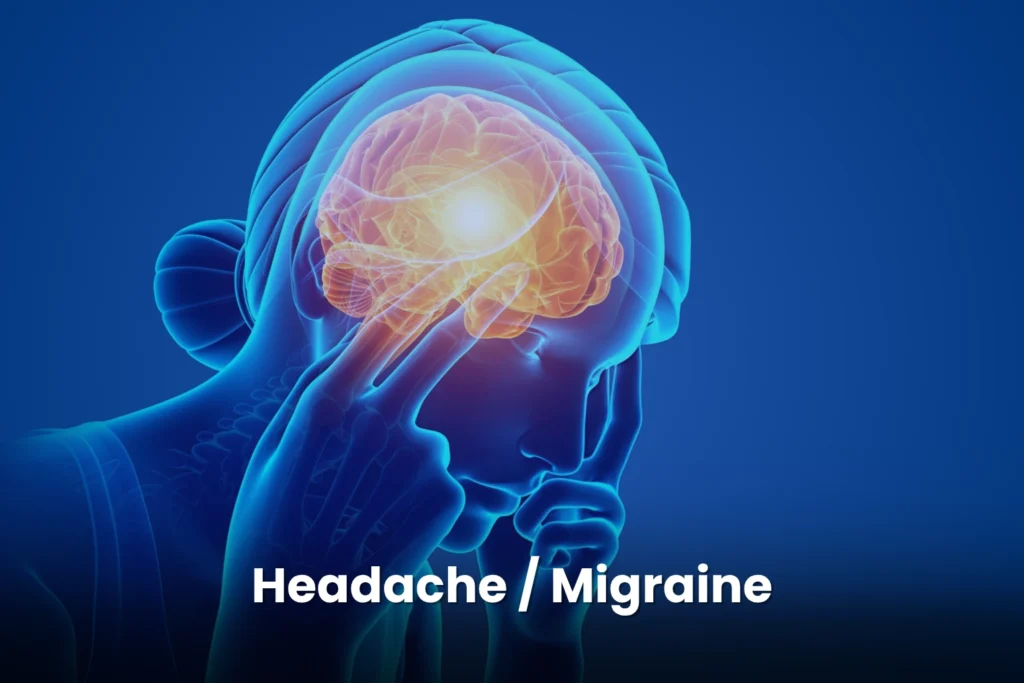
What Is a Migraine? A migraine is a complex neurological disorder marked by repeated episodes of moderate to severe head pain, often throbbing or pulsating. Pain usually affects one side of the head but can occur on both sides and typically lasts from several hours up to three days. Migraines are commonly accompanied by nausea, vomiting, and sensitivity to light, sound, and smell, making daily activities difficult or impossible during an attack. How Do Migraines Affect the Brain? Migraines are more than headaches. They involve changes in nerve signaling, brain chemicals, and blood vessels. Pain is believed to result from inflammation of the dura mater (the membrane between the brain and skull) and activation of pain-sensitive nerves in the brain’s protective layers. These neurological changes explain why migraines cause intense pain along with widespread physical and cognitive symptoms. What Is a Migraine Aura? Some people experience an aura, which consists of temporary neurological symptoms that occur before or during a migraine attack. Aura may include: Visual disturbances (flashing lights, zigzag lines, blind spots) Tingling or numbness in the face or limbs Speech or language difficulties Not everyone with migraines experiences aura, and its presence varies between individuals. What Symptoms Occur Beyond Head Pain? Migraines often cause symptoms beyond head pain, including: Mood changes Extreme fatigue Brain fog Digestive issues Certain rare types, such as hemiplegic migraine, can cause temporary weakness or paralysis on one side of the body, which can mimic a stroke but is usually reversible. What Is the Difference Between Episodic and Chronic Migraine? Migraine is a long-term neurological condition that can be episodic or chronic: Episodic migraine: Fewer headache days per month Chronic migraine: 15 or more headache days per month, with at least 8 having migraine features Chronic migraine significantly affects quality of life and daily functioning. What Are the Most Common Migraine Symptoms? Common migraine symptoms include: Intense, throbbing head pain (usually one-sided) Nausea and vomiting Sensitivity to light (photophobia) Sensitivity to sound (phonophobia) Sensitivity to smells (osmophobia) Pain typically lasts 4–72 hours and can interfere with work, school, and daily life. What Symptoms Can Occur Before, During, or After a Migraine? Additional symptoms may appear at different stages of a migraine attack: Mood changes Difficulty concentrating Fatigue Frequent yawning Food cravings Some individuals experience aura symptoms such as visual changes, tingling, or speech difficulty. What Other Body-Wide Symptoms Can Migraines Cause? Migraines may also cause: Dizziness or vertigo Neck and shoulder pain Sinus pressure or ear pain Increased urination Sensitivity to touch or temperature Gastrointestinal symptoms (stomach pain, diarrhea, constipation) Symptom combinations and severity vary widely between individuals. What Are the Phases of a Migraine Attack? Migraine symptoms often occur in phases: Prodrome: Early warning signs (fatigue, mood changes, food cravings) Aura: Temporary neurological symptoms (when present) Headache phase: Severe pain and associated symptoms Postdrome: Lingering fatigue, brain fog, or mood changes Not everyone experiences every phase. What Types of Migraines Exist? 1. Migraine Without Aura The most common type, featuring moderate to severe one-sided headaches lasting 4–72 hours with nausea and light/sound sensitivity. 2. Migraine With Aura Includes temporary neurological symptoms such as visual, sensory, or speech disturbances before or during the headache. 3. Chronic Migraine Headaches on 15 or more days per month, with at least 8 migraine days. 4. Vestibular Migraine Characterized mainly by dizziness, vertigo, and balance problems, with or without head pain. 5. Hemiplegic Migraine A rare migraine with aura causing temporary weakness or paralysis on one side of the body. 6. Migraine With Brainstem Aura Includes brainstem symptoms such as vertigo, slurred speech, and double vision—without motor weakness. 7. Abdominal Migraine More common in children, causing abdominal pain, nausea, and vomiting. 8. Menstrual Migraine Triggered by estrogen fluctuations during the menstrual cycle. Learn More: What Is Ocular Migraine? Vision Changes & Migraine Types What Causes Migraines? Migraines result from a complex interaction of neurological, vascular, genetic, and environmental factors. A key mechanism is nerve inflammation in the dura mater, leading to altered pain signaling and blood flow. Genetics plays a major role, as migraines often run in families. Learn More: Migraines Explained: Causes, Triggers, and Neurology Care What Are Common Migraine Triggers? Hormonal & Lifestyle Triggers Menstrual cycle, pregnancy, menopause Stress Irregular sleep Skipping meals Physical exertion Sensory & Environmental Triggers Bright or flickering lights Loud noises Strong smells Weather or barometric pressure changes Dietary Triggers Alcohol (especially wine) Caffeine Aged cheeses Processed foods Artificial additives Often, multiple triggers combine to provoke an attack. How Are Neck, Jaw, and Nerves Related to Migraines? Neck-, jaw-, and nerve-related migraines often involve the trigeminal nerve, which supplies sensation to the face, jaw, and head and connects with blood vessels and meninges. Irritation of this nerve can cause pain in the eyes, temples, jaw, or neck. How Are TMJ Disorders Linked to Migraines? TMJ disorders can trigger migraines because the trigeminal nerve supplies the jaw. TMJ inflammation or dysfunction can: Cause jaw or ear pain Trigger migraines Increase migraine frequency through central sensitization How Does Neck Pain Contribute to Migraines? Cervical nerves (C2–C4) connect with the trigeminal nerve at the brainstem, allowing pain signals to overlap. Poor posture, muscle strain, or cervical spine issues can worsen migraines or mimic conditions like cervicogenic headache or occipital neuralgia. What Treatment Options Are Available for Migraines? Migraine treatment focuses on stopping attacks and preventing future episodes. What Medications Treat Acute Migraines? NSAIDs (ibuprofen, aspirin) Acetaminophen Triptans Gepants Anti-nausea medications What Medications Prevent Migraines? Beta-blockers Antidepressants Anticonvulsants CGRP inhibitors How Does Botox Treat Chronic Migraine? Botox is FDA-approved for chronic migraine and involves 31 injections every 12 weeks. It blocks pain signaling and reduces migraine frequency by approximately 50% in responders, with effects typically starting within 2–3 weeks. What Is Infusion Therapy for Migraines? Infusion therapy delivers medication intravenously for severe or refractory migraines. Options include: DHE Ketorolac Antiemetics Preventive infusions like eptinezumab (Vyepti) are given every 12 weeks. When Do Migraines Become a
Head Injury & Concussion Care | Early Neurology Evaluation
Head Injury & Concussion Care Head injuries are far more common than most people realize—and even what seems like a “mild” injury can disrupt brain function, trigger neurological symptoms, and impact long-term cognitive and emotional health. Whether your head injury came from a car accident, fall, sports impact, workplace incident, or even a minor bump, symptoms may appear immediately or develop over hours or days. Because head injuries are unpredictable, early evaluation by a neurologist is critical. At Consultant Corner, our board-certified neurologists specialize in concussion, traumatic brain injury (TBI), and post-concussion syndrome. We provide comprehensive in-clinic and tele-neurology evaluations, recovery planning, and long-term neurological support to ensure every patient heals safely and fully. ⚠️ WARNING SIGNS AFTER A HEAD INJURY Head injuries affect people differently, and symptoms vary widely. Some patients feel “fine” after the incident, while others experience immediate discomfort. Key symptoms to watch for include: • Persistent or worsening headache• Dizziness, vertigo, or imbalance• Nausea or vomiting• Brain fog, slowed thinking, difficulty concentrating• Short-term memory problems or confusion• Sensitivity to light or noise• Blurred or double vision, trouble focusing• Sleep disturbances or extreme fatigue• Irritability, mood swings, or emotional changes Many of these symptoms indicate a concussion or functional brain disruption. Even if imaging appears “normal,” concussion symptoms can still be present because concussions rarely show up on CT or MRI scans. ❗ WHY EARLY NEUROLOGY CARE MATTERS Early neurology involvement after a head injury is crucial because concussions and mild TBIs are common, frequently under-recognized, and often undertreated. Without timely, targeted care, a significant minority of patients go on to develop prolonged or disabling symptoms. A neurologist can: • Diagnose concussion or mild traumatic brain injury• Identify early signs of post-concussion syndrome• Detect internal bleeding risks such as subdural or epidural hematoma• Identify skull fractures or nerve involvement• Evaluate vision, balance, memory, and cognitive deficits• Assess whiplash-related neurological symptoms• Provide medical clearance for return to work, school, or sports Early intervention improves outcomes, shortens recovery time, and reduces the risk of chronic headaches, vertigo, cognitive decline, and emotional instability. 📊 STATS & FACTS: WHY CONCUSSIONS REQUIRE EXPERT CARE The numbers clearly show why early neurological evaluation is essential after a head injury: • In the U.S., there are approximately 2.8 million traumatic brain injury–related emergency department visits, hospitalizations, and deaths each year, with many involving concussions or mild TBIs. • National data suggest around 3% of Americans report a history of traumatic brain injury, affecting both adults and children. • About 1 in 100 children aged 9–10 sustains a concussion in a single year—representing tens of thousands of pediatric cases annually. • While about 90% of concussion symptoms resolve within 10–14 days, an estimated 10–30% of patients develop persistent symptoms lasting weeks or months (post-concussion or persisting symptoms). • Studies show that 14–40% of patients still report post-concussion symptoms at 3 months, highlighting how easily recovery can be delayed without early identification and management. 🧠 HOW THESE FACTS SUPPORT EARLY NEUROLOGY INVOLVEMENT Because millions of TBIs occur each year—and up to one-third of concussion patients may experience lingering headaches, dizziness, cognitive fog, sleep problems, or mood changes—early specialist evaluation plays a critical role. Neurology care helps to: • Identify patients at higher risk for prolonged recovery• Detect complications such as intracranial bleeding• Diagnose and manage post-concussion syndrome early• Coordinate vestibular and vision rehabilitation• Guide safe, graded return to work, school, or sports• Prevent symptoms from becoming chronic or disabling Early neurological care is not just treatment—it’s protection for long-term brain health. 🏥 WHY PATIENTS TRUST CONSULTANT CORNER Our neurology team is highly experienced in evaluating and treating head injuries of all types. Patients choose Consultant Corner for: ✔ Comprehensive concussion & TBI assessment✔ Thorough review of CT/MRI imaging & ER discharge reports✔ Personalized recovery & graded return-to-activity plans✔ Expert management of headaches, dizziness, cognitive fog, and visual problems✔ Treatment for sleep disturbances, mood changes, and persistent symptoms✔ Tele-neurology options for fast, accessible care from home✔ Same-week appointments—because early care matters We provide clear communication, evidence-based care, and step-by-step recovery guidance designed to rebuild neurological stability and restore quality of life. ⚕️ WHAT RECOVERY LOOKS LIKE Neurological recovery is highly individualized. Your customized treatment plan may include: • Cognitive rest and screen-time modifications• Vestibular therapy for dizziness or balance issues• Vision rehabilitation exercises• Headache and migraine-focused therapies• Sleep hygiene optimization and circadian rhythm support• Stress-reduction and symptom-trigger management• Gradual, monitored return to physical activity Our goal is to help you regain clarity, comfort, and confidence as you return to normal life. 🚨 WHEN TO SEEK EMERGENCY CARE Go to the ER or call 911 immediately if you experience: • Loss of consciousness• Severe or sudden “worst headache” of your life• Repeated vomiting• Weakness, numbness, or tingling on one side• Seizure• Difficulty waking up or severe drowsiness• Clear fluid leaking from the nose or ears• Unequal pupils• Significant confusion or abnormal behavior These symptoms may indicate a medical emergency requiring immediate imaging and intervention. 📞 CONTACT CONSULTANT CORNER If you’ve had a recent head injury and don’t feel like yourself, trust your instincts. Your brain is too important to ignore symptoms. 📱 Phone: +1 888 208 2208📧 Email: info@myconsultantcorner.com🌐 Website: https://myconsultantcorner.com Consultant Corner — Expert Neurology Care When It Matters Most.