
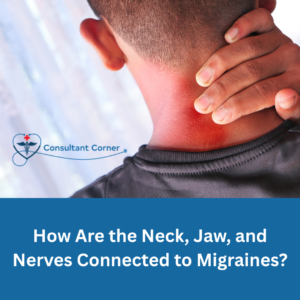
How Are the Neck, Jaw, and Nerves Connected to Migraines?
How Are the Neck, Jaw, and Nerves Connected to Migraines? Neck, jaw, and nerve-related migraines usually involve irritation of shared pain pathways between the trigeminal nerve (which supplies the face and jaw) and the upper cervical nerves (C1–C3) in the neck. Because these nerves converge in the brainstem, problems in one area can trigger or worsen migraine attacks rather than acting as separate conditions. What
What Is Ocular Migraine? Vision Changes & Migraine Types
What Is an Ocular Migraine? An ocular migraine, also known as retinal migraine, is a rare subtype of migraine that causes temporary visual disturbances in one eye, often followed by a headache.It is different from typical migraine aura, which affects both visual fields and originates in the brain rather than the eye. Ocular migraines are usually short-lived and reversible, but because they involve temporary vision
Migraines Explained: Causes, Triggers & Neurology Care
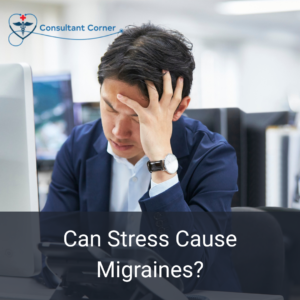
Can Stress Cause Migraines? Yes. Stress is one of the most common migraine triggers, but it is usually a trigger rather than the root cause. Migraine itself is a neurological disorder, and stress tends to set off attacks in people who are already susceptible. How Are Stress and Migraines Linked? Studies show that 70–80% of people with migraine report stress as a trigger. Both: High

Alzheimer’s Disease: Early Signs, Brain Changes, Modern Treatments & Comprehensive Memory Care
A patient-centered guide- from Consultant Corner Alzheimer’s disease is the most common cause of dementia worldwide and one of the fastest-growing public health challenges of our time. More than 6.7 million Americans are currently living with Alzheimer’s disease, and that number is projected to rise sharply over the coming decades as the population ages. Despite its prevalence, Alzheimer’s disease is still widely misunderstood, frequently underdiagnosed,
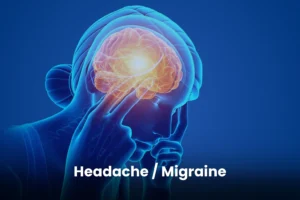
Migraine Headaches: Causes, Symptoms, Types & Treatment Options
What Is a Migraine? A migraine is a complex neurological disorder marked by repeated episodes of moderate to severe head pain, often throbbing or pulsating. Pain usually affects one side of the head but can occur on both sides and typically lasts from several hours up to three days. Migraines are commonly accompanied by nausea, vomiting, and sensitivity to light, sound, and smell, making daily

Head Injury & Concussion Care | Early Neurology Evaluation
Head Injury & Concussion Care Head injuries are far more common than most people realize—and even what seems like a “mild” injury can disrupt brain function, trigger neurological symptoms, and impact long-term cognitive and emotional health. Whether your head injury came from a car accident, fall, sports impact, workplace incident, or even a minor bump, symptoms may appear immediately or develop over hours or days.