
What Diabetic Neuropathy Is
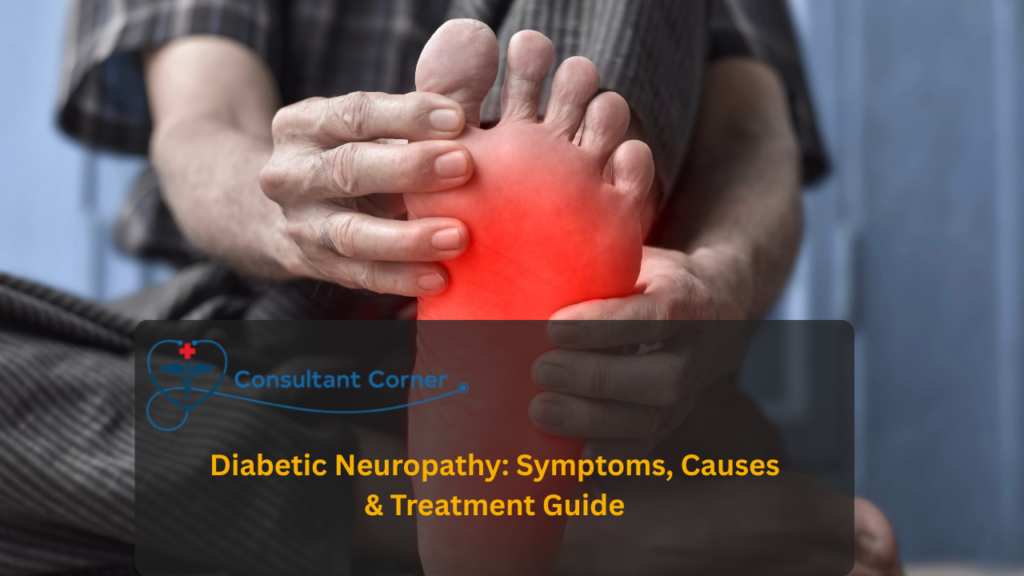
What Diabetic Neuropathy Is Diabetic neuropathy refers to a group of nerve disorders that occur in people with diabetes, affecting sensory, motor, and autonomic nerves. Over time, high glucose levels damage blood vessels and the metabolic pathways that support nerves, leading to progressive dysfunction. The American Diabetes Association describes diabetic neuropathies as the most prevalent chronic complications of diabetes, encompassing diffuse forms like DSPN (symmetrical, length-dependent sensorimotor polyneuropathy due to chronic hyperglycemia and cardiovascular risks) and autonomic neuropathies affecting cardiovascular, gastrointestinal, or urogenital systems. Main Types of Diabetic Neuropathy Peripheral neuropathy:The most common form. It affects the feet and legs first and sometimes the hands, causing pain, tingling, numbness, or loss of sensation in a “stocking-glove” pattern. Autonomic neuropathy:Affects automatic body functions such as heart rate, blood pressure, digestion, bladder control, and sexual function. Proximal (radiculoplexus) neuropathy and focal neuropathies:Causes sudden pain or weakness in specific areas such as the thighs, hips, chest wall, or eye muscles. Common Symptoms Symptoms depend on which nerves are affected, but may include: • Burning, stabbing, or electric-like pain• Numbness or tingling in feet or hands• Reduced ability to feel heat, cold, or injuries• Balance and walking difficulty• Foot ulcers that may not cause pain• Digestive issues such as nausea, bloating, or diarrhea• Dizziness when standing up (orthostatic hypotension)• Bladder control issues• Sexual dysfunction in men and women Loss of protective sensation is especially dangerous because it increases the risk of unnoticed injuries, infections, and amputations. Causes and Risk Factors The primary cause is prolonged high blood sugar, which damages nerves and the small blood vessels that supply them.Additional risk factors include: • Long duration of diabetes• Poor glucose control• High cholesterol• High blood pressure• Kidney disease• Smoking• Obesity• Heavy alcohol use The more risk factors present, the faster nerve damage can progress. Prevention and Self-Care Strategies Preventing or slowing diabetic neuropathy focuses on protecting nerves through comprehensive diabetes management: • Keep blood sugar levels within the target range using medication, nutrition, and physical activity• Maintain healthy cholesterol and blood pressure• Avoid smoking and limit alcohol• Maintain a healthy weight• Perform daily foot checks for cuts, redness, or swelling• Wear comfortable, well-fitting shoes• Schedule regular podiatry visits to prevent ulcers and infections Good foot care is critical to reducing the risk of complications. Treatment Basics Good blood glucose management is the most important treatment to slow nerve damage and may improve symptoms, especially in the early stages.Painful diabetic neuropathy can be managed with: • Certain antidepressants or anticonvulsants• Topical treatments such as capsaicin or lidocaine• Physical therapy• Exercise programs• Non-drug therapies such as TENS (nerve stimulation) Treatment plans are personalized based on symptom severity, medical history, and patient goals. Statistics and Key Facts • Over 50% of people with diabetes develop some form of neuropathy• About 25% experience painful diabetic peripheral neuropathy• Neuropathy increases the risk of foot ulcers and amputations• Early management dramatically reduces complications Quick Reference Guide Aspect Key Points What it is Diabetes-related nerve damage affects peripheral, autonomic, and other nerves Main symptoms Burning or stabbing pain, numbness, tingling, balance issues, and autonomic dysfunction Main causes Long-term high blood sugar plus factors like cholesterol issues, hypertension, obesity, smoking, and kidney disease Prevention focus Safe glucose control, blood pressure, and lipid management, foot care, smoking/alcohol reduction How common it is Over 50% of people with diabetes develop neuropathy; about 25% experience painful neuropathy Telehealth Evaluation for Diabetic Neuropathy in Bloomington, IL. At Consultant Corner, your neurologist provides a complete virtual assessment, including: • Review of symptoms and medical history• Neurological screening by video• Differentiating neuropathy from other nerve disorders• Foot risk assessment and preventive guidance• Medication recommendations for nerve pain• Lifestyle and nutrition strategies that support nerve health• Referrals for additional testing if needed• Ongoing follow-up and treatment adjustments Telehealth makes expert neurological care accessible, convenient, and personalized. When to Seek Urgent Evaluation Seek immediate medical help if you experience: • Worsening weakness or inability to walk• Foot wounds that are not healing• Severe or sudden pain in thighs, hips, or chest• New bladder control problems• Signs of infection in the feet• Rapid progression of numbness These may indicate severe nerve damage or complications that require prompt care. Get Expert Neuropathy Care From Consultant Corner If you are experiencing nerve pain, numbness, tingling, or foot problems related to diabetes, do not wait. Early treatment can prevent serious complications and improve your long-term quality of life. 👉 BOOK TELEHEALTH APPOINTMENT👉 CONTACT CONSULTANT CORNER TODAY
What Is Cervical Radiculopathy?
What Is Cervical Radiculopathy? Cervical radiculopathy happens when one of the cervical spinal nerve roots is irritated or compressed. This often results from cervical disc herniation, degenerative disc disease, cervical spondylosis (arthritis), or foraminal stenosis (narrowing of the nerve root canal). When a nerve root is compressed, inflammation develops, leading to neurological symptoms that follow the exact path of the affected nerve (C5, C6, C7, etc.). This condition is a common cause of neck pain with arm symptoms, especially in adults aged 30–60. According to the National Center for Biotechnology Information, “Neck pain is a common condition that can cause significant discomfort and disability in patients of different ages. Workers who have experienced neck pain account for up to 40% of work absenteeism. Cervical radiculopathy, on the other hand, is a condition in which the nerve root of a spinal nerve is compressed or impaired, causing pain and symptoms to spread beyond the neck and radiate to other areas of the body, such as the arms, neck, chest, upper back, and shoulders. Due to the nerve impingement, muscle weakness and impaired deep tendon reflexes are often observed. Cervical radiculopathy is a common neck disorder that reduces function, productivity, and quality of life. The natural course is generally favorable. However, significant pain, progressive neurologic loss, or myelopathic signs warrant escalation of care.” Common Symptoms of Cervical Radiculopathy Symptoms typically include both neck discomfort and arm-related neurological signs, such as: • Sharp, burning, throbbing, or electric-like pain• Radiating pain into the shoulder, upper arm, forearm, or hand• Numbness or “pins and needles” sensations• Muscle weakness, such as difficulty lifting or gripping objects• Reduced reflexes• Pain that worsens with neck rotation or extension• Relief when resting or supporting the arm These symptoms distinguish radiculopathy from simple mechanical neck pain. What Causes Cervical Radiculopathy? The two leading causes include: Cervical Disc Herniation: More common in younger adults. A bulging or ruptured disc presses on the nerve root. Cervical Spondylosis (Arthritis): Age-related degeneration leads to bone spurs or narrowing of the foramina, compressing the nerve root. Less common causes include trauma, tumors or cysts, congenital narrowing, postural strain, and vascular abnormalities. Risk Factors That Increase Neck Nerve Compression Certain lifestyle and workplace factors significantly increase risk: • Long hours of computer use with poor posture• Repetitive neck flexion or extension• Heavy lifting or jobs that strain the neck• Operating vibrating equipment• Smoking• Obesity• Weakened neck and upper-back muscles These factors accelerate wear and tear on the cervical spine over time. Cervical Radiculopathy vs Simple Neck Pain Aspect Cervical Radiculopathy Simple Mechanical Neck Pain Main issue Pinched/irritated nerve root Muscle or ligament strain Pain pattern Radiates down the arm, often below the elbow Stays in the neck/shoulder Neurological signs Tingling, numbness, weakness, reflex loss Rare Typical causes Disc herniation, arthritis, and foraminal stenosis Poor posture, overuse Severity Can impair daily function Usually mild to moderate How to Help Prevent Cervical Radiculopathy Prevention focuses on spinal health, posture support, and reducing repetitive strain. Improve posture and ergonomics: Keep screens at eye level, avoid hunching, and take short movement breaks every 20–30 minutes. Strengthen neck and upper-back muscles: Stretching, light resistance exercises, and aerobic conditioning help stabilize the spine. Use safe lifting techniques: Bend at the hips and knees, keep loads close to your body, and avoid overhead lifting when possible. Optimize sleep position: Use a supportive pillow, maintain a neutral neck posture, and avoid extreme rotation during sleep. Key Facts & Statistics About Cervical Radiculopathy Population studies show: • Affects 80–85 people per 100,000 each year• Incidence in men is approximately 107 per 100,000• Incidence in women is around 63 per 100,000• Most commonly occurs in people aged 40–55• The C7 nerve root is affected in over 50% of cases• The C6 nerve root is involved in about 25% of cases These numbers demonstrate how common cervical nerve compression is among adults with spinal degeneration or neck strain. When Cervical Radiculopathy Requires Urgent Evaluation Seek immediate medical attention if you experience: • New or worsening arm weakness• Difficulty walking or balancing• Loss of coordination• Sudden, severe neck pain• Bladder or bowel changes• Pain that does not improve with rest• Symptoms following trauma or injury These can indicate severe nerve or spinal cord compression. Telehealth Evaluation for Cervical Radiculopathy Through telehealth, your neurologist can perform a thorough virtual assessment, including: • Detailed symptom evaluation• Neurological screening• Differentiating radiculopathy from other causes• Medication recommendations• Physical therapy and posture guidance• Imaging referrals (MRI, CT, X-ray)• Follow-up monitoring and adjustments Early treatment leads to faster recovery and prevents long-term complications.
can cervical radiculopathy cause headaches

Can cervical radiculopathy cause headaches? Yes. Cervical radiculopathy can be associated with headaches, often called cervicogenic headaches when the pain is referred from the neck into the head. How it causes headaches? When a nerve root in the cervical spine is compressed or irritated (from a disc herniation, arthritis, or foraminal narrowing), pain signals can travel along the nerve’s pathway and be perceived in the head as a headache. This is especially recognized with involvement of the upper cervical levels (roughly C1–C4), which share connections with nerves that supply sensation to parts of the head and face. Typical headache features Headaches linked to cervical radiculopathy or other neck pathology often: Start in the back of the neck or base of the skull and radiate upward into the head. Are more on one side, usually the same side as the neck and arm symptoms. May be accompanied by neck pain, reduced neck motion, and arm pain, tingling, or weakness When to seek evaluation? Red flags that should prompt prompt medical evaluation include: New or worsening severe headache, especially with neurological symptoms (weakness, trouble speaking, vision changes, balance problems, confusion). Headache after trauma, fever or stiff neck, or a sudden “worst headache of life.” Common Symptoms of Cervicogenic Headaches in Cervical Radiculopathy If you’re experiencing any of the following symptoms, your headaches may be originating from your cervical spine rather than the head itself: Pain that begins at the base of the skull or back of the neck and then radiates upward Head pain on one side, often matching the side of neck or arm discomfort Neck stiffness or reduced ability to turn or move the neck Arm pain, tingling, numbness, or weakness, especially when a cervical nerve root is irritated Pain that worsens with neck movement, posture, or prolonged positioning These features help distinguish cervicogenic headaches from migraines, tension headaches, or sinus-related headaches, which typically have different patterns. When to Seek Medical Evaluation Headaches linked to cervical issues are often treatable, but certain warning signs mean you should seek medical evaluation promptly. Get checked if you experience: A sudden, severe headache unlike any you’ve had before Headache accompanied by weakness, vision changes, speech difficulty, or balance problems Headache with fever, neck stiffness, or occurring after an injury or accident Persistent headaches that do not improve with rest or common medications Neck pain that radiates into the shoulder, arm, or hand Many people delay seeking care until symptoms worsen, but early evaluation helps pinpoint the cause and leads to more effective treatment. Treatment Options for Cervical Radiculopathy–Related Headaches Individuals experiencing headaches linked to cervical radiculopathy may benefit from several treatment approaches designed to reduce nerve irritation, improve mobility, and relieve pain. 1. Physical Therapy Targeted exercises can help improve posture, strengthen cervical muscles, and reduce pressure on irritated nerves. 2. Posture Correction & Ergonomics Adjusting daily posture and optimizing work or home ergonomics are essential, especially for people who sit for long periods or engage in repetitive neck movements. 3. Medications Anti-inflammatory drugs, muscle relaxants, or neuropathic pain medications may be used to manage pain and decrease nerve irritation. 4. Interventional Procedures For more persistent or severe symptoms, options such as nerve blocks or epidural steroid injections may provide relief and reduce inflammation around the affected cervical nerve root. 5. Telehealth Support Many individuals now choose virtual consultations for convenience, follow-up care, and faster access to healthcare guidance, especially when managing chronic neck or nerve-related symptoms. How to differentiate cervicogenic headache from migraine? Cervicogenic headache and migraine can look similar, but they differ in what triggers them, associated neck findings, and classic migraine features. Key clinical differences Cervicogenic headache usually starts in the neck or back of the head and is clearly linked to neck movement, sustained posture, or pressure over specific cervical/occipital areas; the neck is often stiff and tender, with reduced range of motion. Migraine usually starts in the head (often in the frontotemporal region or around one eye), are not consistently triggered by neck movement, and often have a pulsating or throbbing quality. Laterality and pain quality Cervicogenic headache is typically one‑sided, on the same side as neck or shoulder/arm pain, and the pain is often steady, non‑throbbing, and can radiate from the neck upward in a “ram’s horn” pattern. Migraine is also commonly one‑sided but may switch sides between attacks and is classically throbbing, moderate to severe, and worsened by routine physical activity. Neurologic and sensory symptoms Cervicogenic headache usually lacks migraine aura, prominent nausea, or strong light and sound sensitivity; when these occur, they are typically milder and secondary to pain rather than defining features. Migraine often includes nausea, vomiting, photophobia, and phonophobia, and some patients have aura (visual or sensory disturbances such as flashing lights, zigzags, or numbness) developing before or with the headache. Physical exam and diagnostic clues In cervicogenic headache, examination often shows a reproducible pattern of cervical musculoskeletal impairment: reduced neck movement, painful or stiff upper cervical joints, and muscle dysfunction; symptoms may be provoked by neck tests or pressure on facet joint/occipital regions, and may improve with diagnostic cervical nerve or joint blocks. In migraine, the neck exam may be normal or show only nonspecific tenderness; diagnosis is clinical, using headache history that meets International Classification of Headache Disorders criteria (recurrent attacks, duration 4–72 hours, pulsating quality, associated nausea or photophobia/phonophobia, etc.). Practical table: cervicogenic vs migraine Feature Cervicogenic headache Migraine headache Primary source Neck (joints, discs, soft tissues) Primary brain-based disorder Onset/location Begins in neck/occiput, spreads to head Begins in head (often frontotemporal/periorbital) Triggered by Neck movement, posture, or palpation Stress, hormones, certain foods, sleep, stimuli Pain quality Steady, dull, non‑throbbing usually Pulsating/throbbing common Associated neck signs Marked stiffness, reduced ROM, focal tenderness Neck may feel tight but exam often nonspecific Aura Absent Often present in migraine with aura Nausea/photophobia Uncommon or mild Common and often prominent Diagnostic confirmation Response to cervical blocks/targeted PT Clinical criteria; no specific physical trigger If your headaches change with neck movement, posture, or pressure
What Causes Alzheimer’s Disease?

What Causes Alzheimer’s Disease? Alzheimer’s disease is a complex condition with multiple contributing factors. It doesn’t arise from a single cause, but rather from a combination of abnormal brain changes and influences from genetics, health, and lifestyle factors over an extended period. Brain Changes in Alzheimer’s In Alzheimer’s disease, two key proteins, beta-amyloid and tau, undergo abnormal changes in the brain. Beta-amyloid forms sticky clumps, known as plaques, which accumulate between neurons (nerve cells). Tau, on the other hand, creates tangles inside neurons. These plaques and tangles disrupt normal communication between brain cells, depriving them of essential nutrients, ultimately leading to cell death and the shrinkage of the brain over time. 7 Common Signs of Alzheimer’s Disease The early signs of Alzheimer’s can be subtle and might initially be mistaken for typical aging. However, as the disease progresses, these symptoms become more noticeable and affect daily life: Memory loss that disrupts daily life: For example, forgetting important dates or repeatedly asking for the same information. Challenges in planning or problem-solving: This may include difficulty concentrating or managing numbers (e.g., balancing a checkbook). Difficulty completing familiar tasks: Routine tasks at home, work, or leisure (such as driving to a familiar location) can become hard to manage. Confusion with time or place: A person might lose track of dates, seasons, or even forget where they are. Trouble understanding visual images and spatial relationships: This can impact the ability to read, judge distance, or recognize faces. Problems with language: Difficulty finding the right words or following and participating in conversations. Changes in mood and personality: Individuals may become more depressed, withdrawn, or irritable. There may also be mood swings, aggression, or loss of inhibitions. These signs typically worsen over time and can severely impact the person’s daily functioning and independence. When to Seek a Doctor It’s important to seek a doctor if someone shows multiple signs of Alzheimer’s, especially if the symptoms: Are noticeable and worsening over time Interfere with daily life and routine activities Include memory loss, confusion, trouble completing familiar tasks, or changes in personality or behavior Cause concern for the individual or their family members Early evaluation by a healthcare professional is recommended because prompt diagnosis can help manage symptoms, rule out other causes, and provide support and planning options. Underlying Causes and Risk Factors Alzheimer’s is thought to develop due to a mix of factors, including age-related brain changes, genetic predispositions, cardiovascular health, and lifestyle choices. While no single factor causes Alzheimer’s, certain risk factors significantly increase the likelihood of developing the disease: Age: The greatest known risk factor. Alzheimer’s typically affects those over 65, with risk increasing significantly as individuals age. Genetics: Variants of the APOE ε4 gene are strongly linked to a higher risk of Alzheimer’s. Family History: Having close relatives with Alzheimer’s increases the risk. Down Syndrome: Individuals with Down syndrome are at higher risk due to an extra copy of chromosome 21. Traumatic Brain Injury: Past head injuries are associated with a higher risk of Alzheimer’s. Lifestyle Factors: Factors such as heavy alcohol use, poor sleep, smoking, and obesity are linked to increased risk. Chronic Health Conditions: Conditions like high blood pressure, high cholesterol, and type 2 diabetes (especially if poorly controlled) increase vulnerability. Environmental Factors: Exposure to air pollution is also considered a potential risk factor. Hereditary vs. Sporadic Alzheimer’s The majority of Alzheimer’s cases are sporadic, meaning the disease arises due to a combination of genetic, environmental, and lifestyle factors. These cases don’t have a guaranteed genetic link and typically develop later in life. However, around 1–2% of Alzheimer’s cases are genetic and due to rare inherited mutations in specific genes such as APP, PSEN1, and PSEN2. These cases are often linked to early-onset Alzheimer’s, typically occurring before the age of 65. Known and Unknown Aspects of Alzheimer’s Research indicates that protein buildup, inflammation, and vascular problems (related to blood vessels) begin many years—sometimes decades—before symptoms like memory loss or cognitive decline emerge. However, the exact reasons why these abnormal protein changes occur in one person and not another are not fully understood. Additionally, how various risk factors interact in each individual is still an area of ongoing research. Can Alzheimer’s Risk Be Reduced? While no method is proven to completely prevent Alzheimer’s, certain lifestyle changes can lower the risk of developing the disease: Heart and vascular health: Maintaining a healthy heart and blood vessels is crucial for brain health. Physical activity: Regular exercise has been shown to have protective effects on the brain. No smoking: Smoking accelerates brain aging and contributes to Alzheimer’s risk. Moderate alcohol consumption: Limiting alcohol intake is linked to a lower risk of cognitive decline. Healthy diet: Following a Mediterranean-style diet, rich in fruits, vegetables, and healthy fats, may help reduce Alzheimer’s risk. Good sleep: Adequate and restful sleep is essential for maintaining cognitive function. Mental and social engagement: Staying intellectually and socially active is linked to a reduced risk of dementia. Although these measures are associated with a lower risk of Alzheimer’s, it’s important to note that they cannot guarantee prevention. Conclusion Alzheimer’s disease is a multifactorial condition, influenced by both genetic and environmental factors. Although much is still unknown about why some people develop Alzheimer’s and others do not, lifestyle modifications aimed at improving heart and brain health may significantly reduce the risk. Regular medical checkups and early intervention remain vital for managing the disease and supporting brain health throughout life. Seek Expert Alzheimer’s Care in Bloomington, IL If you or a loved one is experiencing symptoms of Alzheimer’s disease, early intervention is key. At My Consultant Corner, we specialize in Alzheimer’s treatment and management in Bloomington, IL, providing comprehensive care to help manage symptoms and improve quality of life. Our team of neurological experts is dedicated to offering personalized care plans, ensuring that patients receive the support they need. Don’t wait — schedule an appointment with our specialists today and take the first step toward
5 Ways to Improve Mental Health Naturally & Effectively

5 Proven Ways to Improve Mental Health Naturally Mental health is a core part of overall well-being, yet it’s often overlooked in the busy routines of daily life. The good news is this: you don’t need drastic changes to support your mind. Small, evidence-backed daily habits can dramatically improve emotional balance, reduce stress, and build long-term resilience. In this guide, we explore five science-supported ways to improve mental health—including physical activity, mindfulness, sleep habits, nutrition, social connections, and daily practices that nurture emotional well-being. Why Daily Habits Matter for Mental Health Mental health is shaped by lifestyle, environment, relationships, biology, and daily routines. Research consistently shows that building healthy habits can: Reduce anxiety and stress Boost mood and happiness Strengthen emotional regulation Support cognitive function Improve overall life satisfaction These small habits don’t replace therapy or medical care, but they make excellent foundational practices that support better mental well-being. 1. Build and Strengthen Social Connections Human connection is one of the strongest protective factors for mental health. People with meaningful social bonds experience less stress, better emotional stability, and stronger feelings of belonging. Why Social Connection Supports Mental Health Reduces loneliness and isolation Boosts emotional support Strengthens self-esteem Improves resilience during tough times Ways to Strengthen Social Relationships Talk to family or friends regularly Join a club, community group, or interest class Stay connected through shared activities Reach out when you’re feeling overwhelmed Even one supportive relationship can make a significant difference. 2. Stay Physically Active for a Healthier Mind Exercise is one of the most reliable natural antidepressants. Physical activity releases endorphins—your brain’s “feel-good chemicals”—while reducing cortisol, the stress hormone. Mental Health Benefits of Exercise Improves mood and emotional balance Reduces anxiety and stress Enhances sleep quality Increases confidence and energy levels Simple Activities to Start With 20–30 minutes of brisk walking Yoga or stretching Light home workouts Dancing, cycling, and swimming Consistency matters more than intensity. 3. Practice Mindfulness and Present-Moment Awareness Mindfulness is the practice of focusing on the present moment without judgment. This simple habit helps reduce overthinking, improve emotional regulation, and create a sense of calm. Why Mindfulness Helps Reduces stress and tension Improves focus and clarity Lowers anxiety and overwhelm Helps manage negative thoughts Easy Mindfulness Practices Guided meditation (5 minutes a day) Deep breathing exercises Body-scan relaxation Journaling your thoughts Mindful walking Mindfulness trains the brain to respond calmly rather than react automatically. 4. Engage in Acts of Kindness and Gratitude Giving to others is linked to greater happiness, emotional well-being, and improved mental health. Acts of kindness activate areas of the brain associated with pleasure and reward. Benefits of Kindness Increases positive emotions Strengthens social bonds Improves self-worth Reduces stress Simple Ways to Practice Kindness Help a friend or neighbor Donate or volunteer Write a message of appreciation Perform a small anonymous act of kindness Gratitude also shifts focus from problems to the positives in life. 5. Prioritize Quality Sleep and Healthy Nutrition Sleep and nutrition directly influence the brain, mood, and emotional stability. Poor sleep or nutrient deficiencies often worsen symptoms of anxiety or depression. Why Sleep Matters Supports mood regulation Improves memory and focus Reduces irritability and low motivation Sleep Hygiene Tips Maintain a consistent sleep schedule Limit screens before bed Create a relaxing bedtime routine Nutrition for Mental Health Include omega-3 fatty acids (salmon, walnuts) Eat fresh fruits and vegetables Choose whole grains Limit sugar and processed foods Nourishing your body also nourishes your mind. Long-Term Benefits of Healthy Mental Health Habits By incorporating these simple actions daily, you can experience: Greater emotional stability Better stress tolerance Higher energy and motivation Improved relationships Stronger overall well-being Mental wellness is built through steady, consistent habits—not perfection. Reference: https://www.nhs.uk/mental-health/self-help/guides-tools-and-activities/five-steps-to-mental-wellbeing/ FAQ What are the best daily habits for improving mental health? Regular exercise, mindfulness practice, quality sleep, healthy nutrition, social connection, and acts of kindness are among the most effective evidence-based habits for improving mental health. How does exercise help mental health? Physical activity releases endorphins, reduces stress hormones, improves mood, and supports better sleep, making it one of the most effective natural ways to improve mental well-being. Why is sleep important for mental health? Good sleep helps regulate mood, reduce anxiety, improve focus, and support emotional resilience. Poor sleep is strongly associated with higher stress and depressive symptoms. Can mindfulness reduce anxiety? Yes. Mindfulness and deep-breathing practices reduce stress, calm racing thoughts, and improve the brain’s ability to handle anxiety. Does helping others improve mental health? Acts of kindness and gratitude release positive brain chemicals, improve mood, and create a sense of purpose—boosting emotional well-being.
Cervical Radiculopathy & Neck Pain
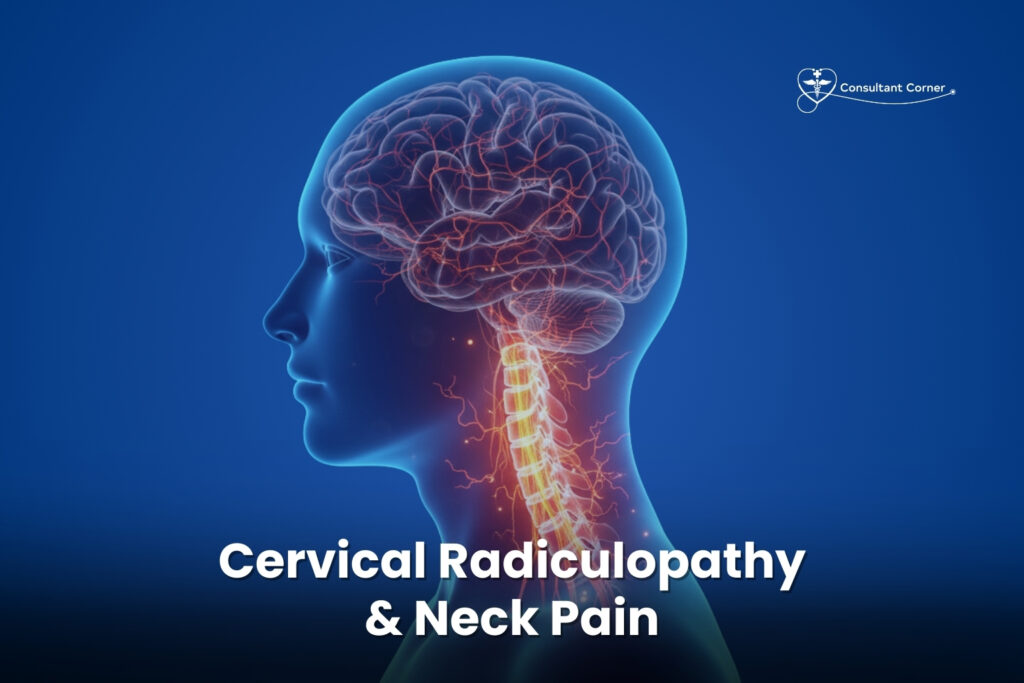
⚡ Cervical Radiculopathy & Neck Pain Neck Pain With Arm Numbness or Tingling? You May Have a Pinched Nerve — We Can Help. A pinched nerve in the neck (cervical radiculopathy) can cause neck pain that shoots into the shoulder, arm, or hand. Patients often describe burning, numbness, tingling, electric pain, or weakness — symptoms that rarely improve without proper neurological care. At Consultant Corner, we specialize in diagnosing and treating nerve-related neck pain so you can get relief fast. 👉 If your neck pain travels down your arm, it’s time for a specialist. ⚠️ Key Symptoms of Cervical Radiculopathy 🟣 Neck pain radiating to shoulder or arm 🔵 Numbness, tingling, or “pins and needles” 🟢 Burning or electric shocks down the arm 🟠 Weakness in the arm or hand 🟡 Pain worse with head turning or looking down 🔺 Difficulty gripping or dropping objects These symptoms point to compression of the C5–C8 nerves — and often require targeted treatment. 🔍 Common Causes (SEO-Friendly Terms) Herniated cervical disc Bulging disc in neck Cervical spinal stenosis Degenerative disc disease Arthritis of the neck Tech neck / posture strain Nerve compression from muscle spasm Search engines favor these exact terms — and so do your patients. 🏥 Why Patients Choose Consultant Corner This is where your differentiators matter. Patients want fast answers and real relief. 🧠 ✓ Neurology Expertise in Pinched Nerves We identify which nerve is affected — and why. 💥 ✓ Targeted, Non-Surgical Treatment Options Nerve pain medications, muscle relaxation strategies, posture correction, ergonomic planning. 📉 ✓ Imaging Review by Neurology We interpret MRIs, CTs, and X-rays to create a clear, actionable plan. 🎯 ✓ Personalized Recovery Strategy Reduce pain, restore movement, prevent long-term nerve damage. ⏱️ ✓ Same-Week Appointments Because nerve pain should never wait. 👉 Our goal: fast relief, long-term stability, and preventing permanent nerve injury. 🚨 When Neck Pain Requires Urgent Care Seek immediate evaluation if you experience: Sudden weakness New numbness spreading down the arm Loss of balance or coordination Loss of bladder/bowel control Severe neck pain after trauma These may indicate a serious spinal issue. 📞 Get Relief From Neck & Arm Pain Today Cervical radiculopathy is highly treatable, especially when caught early.Don’t wait for numbness or weakness to become permanent. 👉 Book Your Neck Pain / Pinched Nerve Evaluation 📞 Call or Request Online
Diabetic Neuropathy (Nerve Damage)
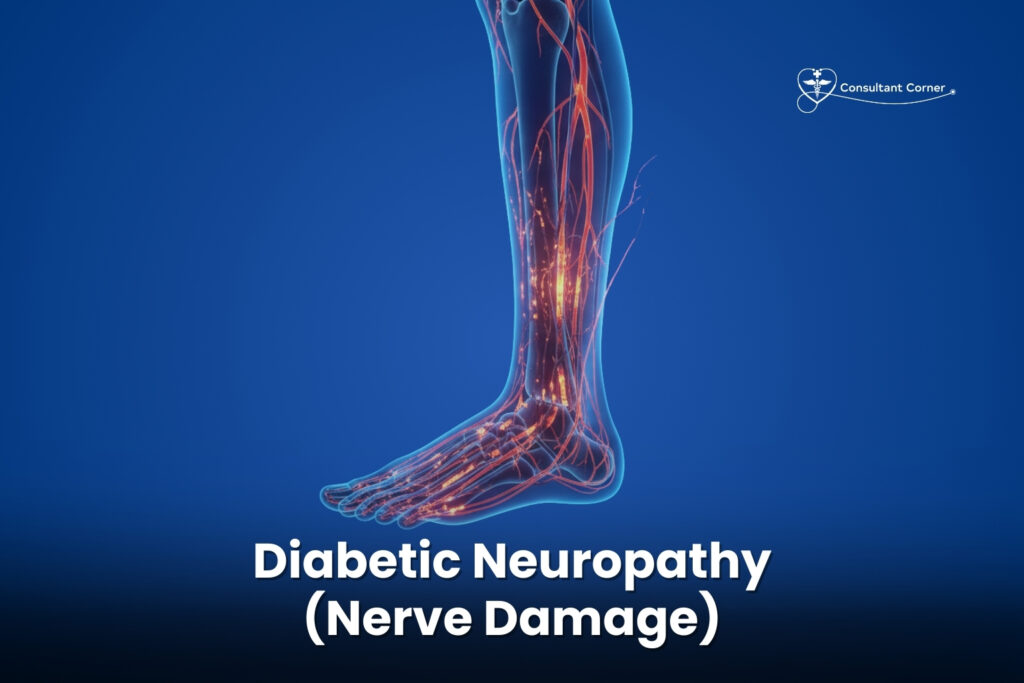
🦶🔥 Diabetic Neuropathy (Nerve Damage) Numbness? Burning? Tingling? Pain in Feet or Hands? Don’t Ignore It. Diabetes can quietly damage the nerves — especially in the feet and legs — long before symptoms become severe. What starts as tingling or burning can progress to numbness, balance problems, foot wounds, and even dangerous infections. But early neurological care can slow progression, reduce pain, and protect long-term nerve health. At Consultant Corner, we specialize in diagnosing and treating all forms of diabetic neuropathy. 👉 If you have diabetes AND any foot symptoms — call us. Early treatment matters. ⚠️ Symptoms of Diabetic Neuropathy You Shouldn’t Ignore 🔥 Burning or stabbing pain in feet or legs 🦶 Tingling, pins-and-needles, or crawling sensations ❄️ Numbness or loss of feeling (especially at night) ⚡ Electric-shock sensations 🏃 Weakness or difficulty walking 💤 Restless, painful, or “hot” feet at night 🩹 Slow-healing wounds or unnoticed injuries Even mild symptoms can indicate significant nerve damage. 🔍 Why Does Diabetic Neuropathy Happen? Common causes include: High blood sugar damaging nerves Poor circulation to the legs and feet Chronic inflammation Vitamin deficiencies Metabolic changes from long-term diabetes High triglycerides Smoking or alcohol use There are multiple forms of neuropathy — and each needs different management:Peripheral neuropathy, autonomic neuropathy, proximal neuropathy, focal neuropathy. 🏥 Why Patients Choose Consultant Corner 🧠 ✓ Detailed Neurologic Nerve Testing We identify how much nerve damage is present — and whether it’s reversible. 💊 ✓ Personalized Treatment for Burning, Pain, and Numbness Targeted nerve medications, supplements, and strategies tailored to your symptoms. 🦶 ✓ Foot & Balance Safety Evaluation Reduce fall risk and prevent dangerous foot complications. 📉 ✓ Lab & Diabetes Optimization Support We check B12, thyroid, inflammation, and metabolic markers that worsen nerve damage. ⚠️ ✓ Prevention-Focused Approach We help slow or stop progression with a long-term nerve health plan. ⏱️ ✓ Same-Week Appointments Available 👉 Early treatment = better nerve protection + less pain long-term. 🚨 When Diabetic Nerve Symptoms Require Urgent Care Call a doctor right away if you have: Sudden severe foot pain Loss of feeling in entire foot Open wounds, redness, or swelling Signs of infection Foot deformity or inability to walk These are emergencies for diabetic patients. 📞 Protect Your Nerves — Relieve Pain — Prevent Complications Diabetic neuropathy is common — but it is NOT something you should wait on. With the right neurological care, patients often experience significant improvement in pain, balance, and long-term nerve function. 👉 Book Your Diabetic Neuropathy Evaluation Today 📞 Call or Request Online
Facial Pain & Trigeminal Neuralgia
Facial Pain & Trigeminal Neuralgia Sharp, Electric Face Pain? Stabbing Pain While Eating or Talking? We Can Help. Facial pain can be frightening — but Trigeminal Neuralgia (TN) is uniquely severe. Patients describe it as electric shocks, stabbing pain, or lightning bolts across the face. Even simple actions like brushing teeth, chewing, smiling, or wind touching the skin can trigger unbearable pain. The good news? Trigeminal neuralgia is treatable.With the right neurological care, patients often experience dramatic relief. At Consultant Corner, we specialize in diagnosing facial pain and stopping the attacks. 👉 If you’re experiencing sudden, electric, stabbing facial pain — call us immediately. ⚠️ Symptoms of Trigeminal Neuralgia You Shouldn’t Ignore 🔌 Sudden electric-shock facial pain ⚡ Stabbing or shooting pain lasting seconds to minutes 🌀 Pain triggered by chewing, talking, brushing teeth, or touching the face 🥶 Pain triggered by cold air, wind, or light touch 😣 Episodes that come in waves or attacks 🔺 Pain on one side of the face only These symptoms are classic for trigeminal nerve irritation — a condition that often worsens without specialist care. 🏥 Why Patients Choose Consultant Corner 🧠 ✓ Expert Diagnosis of Facial Pain We differentiate TN from TMJ, dental causes, sinus issues, migraine, and neuropathic pain. 💊 ✓ Effective Non-Surgical Treatment Options We use nerve-calming medications and targeted therapies that often bring rapid relief. 🧪 ✓ Imaging Review to Confirm Diagnosis MRI to assess nerve compression or MS involvement. 🎯 ✓ Personalized Pain-Control Strategy Trigger management, medication optimization, and long-term relief planning. ⚡ ✓ Advanced Options When Needed Botox therapyReferral for microvascular decompression (only when appropriate)Neuromodulation options ⏱️ ✓ Same-Week Appointments Because severe facial pain is urgent, not optional. 👉 Our goal: Stop the pain quickly and give you your life back. 🚨 When Facial Pain Requires Urgent Evaluation Seek immediate care if facial pain is accompanied by: Vision changes Facial droop Weakness or numbness Fever Severe headache Difficulty speaking These may indicate stroke or infection. 📞 Get Relief From Trigeminal Neuralgia Today Facial pain is overwhelming — but with the right treatment, relief can be fast and life-changing.You don’t have to live with the fear of the next pain attack. 👉 Book Your Facial Pain Evaluation Today 📞 Call or Request Online
Gait & Balance Disorders
🚶♂️⚖️ Gait & Balance Disorders Feeling Unsteady? Walking Slower? Losing Balance? We Can Help. Gait and balance problems can make everyday life feel unsafe — worrying about falls, holding onto walls, avoiding stairs, or feeling “off” when walking. These changes are not a normal part of aging and often signal a neurological issue that can be treated. At Consultant Corner, we identify the cause of your imbalance and build a personalized plan to restore confidence, mobility, and safety. 👉 If walking feels unsteady or you’re afraid of falling, call us today. ⚠️ Symptoms You Shouldn’t Ignore 🟣 Unsteady or wobbly walking 🔵 Walking slower or shuffling steps 🟢 Trouble standing without holding onto something 🟠 Feeling “off balance” or drifting to one side 🟡 Frequent stumbles or near-falls 🔺 Trouble turning, rising from a chair, or climbing stairs 🟤 Legs feeling weak, heavy, or uncoordinated These symptoms often worsen over time without proper neurological care. 🔍 What Causes Gait & Balance Disorders? (SEO-Rich Terms) Common causes we evaluate include: Peripheral neuropathy Parkinson’s disease Stroke or TIA-related imbalance Cerebellar disorders Normal pressure hydrocephalus (NPH) Cervical spine issues Muscle weakness / ALS concerns Inner ear (vestibular) problems Medication side effects Age-related nerve degeneration Many are treatable — especially when diagnosed early. 🏥 Why Patients Choose Consultant Corner 🧠 ✓ Expert Neurological Evaluation We determine whether your imbalance comes from the brain, spine, nerves, cerebellum, or inner ear. 🚶 ✓ Gait & Mobility Assessment We identify abnormal patterns in walking and posture that others often miss. 🎯 ✓ Personalized Treatment Plan Exercises, balance training, nerve treatments, mobility strategies, medication optimization. ⚖️ ✓ Fall Prevention & Safety Planning Reduce fall risk, improve stability, and protect independence. 📉 ✓ Review of MRIs, CT Scans & Labs We interpret your imaging to guide a precise recovery plan. ⏱️ ✓ Same-Week Appointments Walking and balance issues deserve urgent attention — not months of waiting. 👉 Our priority is keeping you safe, confident, and mobile. 🚨 When Gait Problems Are an Emergency Call 911 or seek urgent evaluation if gait changes occur with: Sudden weakness Facial droop Slurred speech Severe dizziness Sharp headache Loss of vision Sudden inability to walk These may signal a stroke or spinal emergency. 📞 Improve Your Balance — Reduce Fall Risk — Restore Confidence You don’t have to live with fear of falling or declining mobility.With the right neurological care, balance and gait can improve significantly. 👉 Book Your Gait & Balance Evaluation Today 📞 Call or Request Online
Muscle Weakness & ALS Screening

⚡ Muscle Weakness & ALS Screening Feeling Weaker Than Usual? Losing Strength? Don’t Ignore It — We Can Help. Muscle weakness can be caused by many conditions — most of them treatable. But when weakness is progressive, one-sided, or unexplained, it’s important to rule out serious neurological causes, including ALS. At Consultant Corner, we evaluate muscle weakness with expert precision to identify the cause quickly and give you a clear plan forward. 👉 If you’ve noticed weakness that’s new or worsening — call us immediately. ⚠️ Red Flags in Muscle Weakness 🟣 One arm or leg becoming weaker 🔵 Difficulty lifting objects or gripping 🟢 Foot drop or tripping 🟠 Trouble raising your arms or climbing stairs 🟡 Muscle twitching (fasciculations) 🟤 Unexplained fatigue with simple tasks 🔺 Handwriting becoming smaller or shakier These symptoms may signal nerve or muscle disease — and early evaluation matters. 🔍 What Causes Muscle Weakness? Most muscle weakness is NOT ALS.Common causes include: Pinched nerves Neuropathy Cervical or lumbar radiculopathy Stroke or TIA-related weakness Myopathies (muscle diseases) Thyroid disorders Vitamin deficiencies Autoimmune neuromuscular conditions Medication side effects We screen for all of these — not just ALS. 🧠 ALS Screening — What We Look For ALS is rare, but early signs must be taken seriously.Typical ALS-related symptoms include: Progressive weakness (worsening over weeks–months) Muscle twitching or cramping Weakness spreading from one area to another Difficulty speaking, swallowing, or breathing Most patients with these symptoms don’t have ALS — but screening helps provide clarity and peace of mind. 🏥 Why Patients Choose Consultant Corner 🧠 ✓ Expert Neurological Evaluation We identify the exact location and cause of weakness — brain, nerve, or muscle. ⚡ ✓ ALS Screening & Neuromuscular Testing Focused assessments to rule out serious disorders. 🧪 ✓ Lab Testing & Imaging Review We assess metabolic, autoimmune, and structural causes of weakness. 🎯 ✓ Personalized Treatment Plan We address reversible causes and protect long-term function. ⏱️ ✓ Same-Week Appointments New weakness should never wait. 👉 Our priority: answers, safety, and early treatment. 🚨 When Weakness Is an Emergency Go to the ER if weakness is accompanied by: Facial droop Difficulty speaking Sudden numbness Loss of balance Difficulty breathing Sudden inability to walk These may indicate stroke or spinal emergencies. 📞 Get Answers for Your Weakness — Fast Whether your symptoms are mild or frightening, you deserve clarity.We help determine the cause quickly and start the right treatment early. 👉 Book Your Muscle Weakness / ALS Screening Today 📞 Call or Request Online