

Epilepsy and Seizures: Diagnosis, Treatment, and Quality of Life
What Is Epilepsy and How Can It Change Your Life? Hey there, if you've ever wondered about epilepsy, you're not alone. It's one of the most common neurological conditions out there, affecting around 50 million people worldwide according to the World Health Organization. In the US alone, about

How to Achieve the Best Night’s Sleep: Science-Backed Tips That Work
How Can You Achieve the Best Night's Sleep Possible? Hey there, if you're tossing and turning at night or waking up feeling like you barely rested, you're not alone. More than one in three U.S. adults doesn't get enough sleep, which can lead to serious health issues like
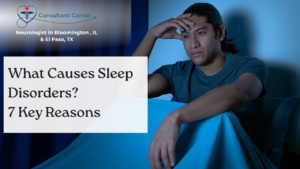
What Causes Sleep Disorders? 7 Key Reasons (Backed by Science)
What causes sleep disorders? (And what the research really says) If you’ve ever tossed and turned at night, woken up exhausted, or struggled to stay awake during the day, you’re not alone. Around 50–70 million adults in the U.S. have a chronic sleep disorder, and poor sleep costs

How to Wake a Heavy Sleeper (Science-Backed & Easy Tips)
Why Is Waking a Heavy Sleeper So Hard, Honestly? Okay, first things first — it’s not laziness.When someone is a heavy sleeper, their brain is literally offline in the deepest repair mode. During deep sleep (called Stage N3), the brain produces super slow waves. At this point, even
How Do You Get Rid of a Migraine Fast?
How Do You Get Rid of a Migraine Fast? Migraine relief can come quickly with a few targeted steps, but effectiveness varies by person. Here are practical, often-cited approaches you can try right away: What Are Some Quick Relief Strategies for Migraines? Create a Dark, Quiet EnvironmentDim lights
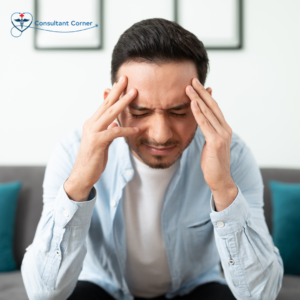
Biggest Cause of Migraines: Genetics, Stress & Brain Sensitivity
What Is the Biggest Cause of Migraines? The biggest underlying cause of migraines is a genetic predisposition that makes the brain more excitable and sensitive to internal and external triggers. This inherited sensitivity means the nervous system reacts more strongly to everyday changes such as stress, sleep disruption,